The Early Rush
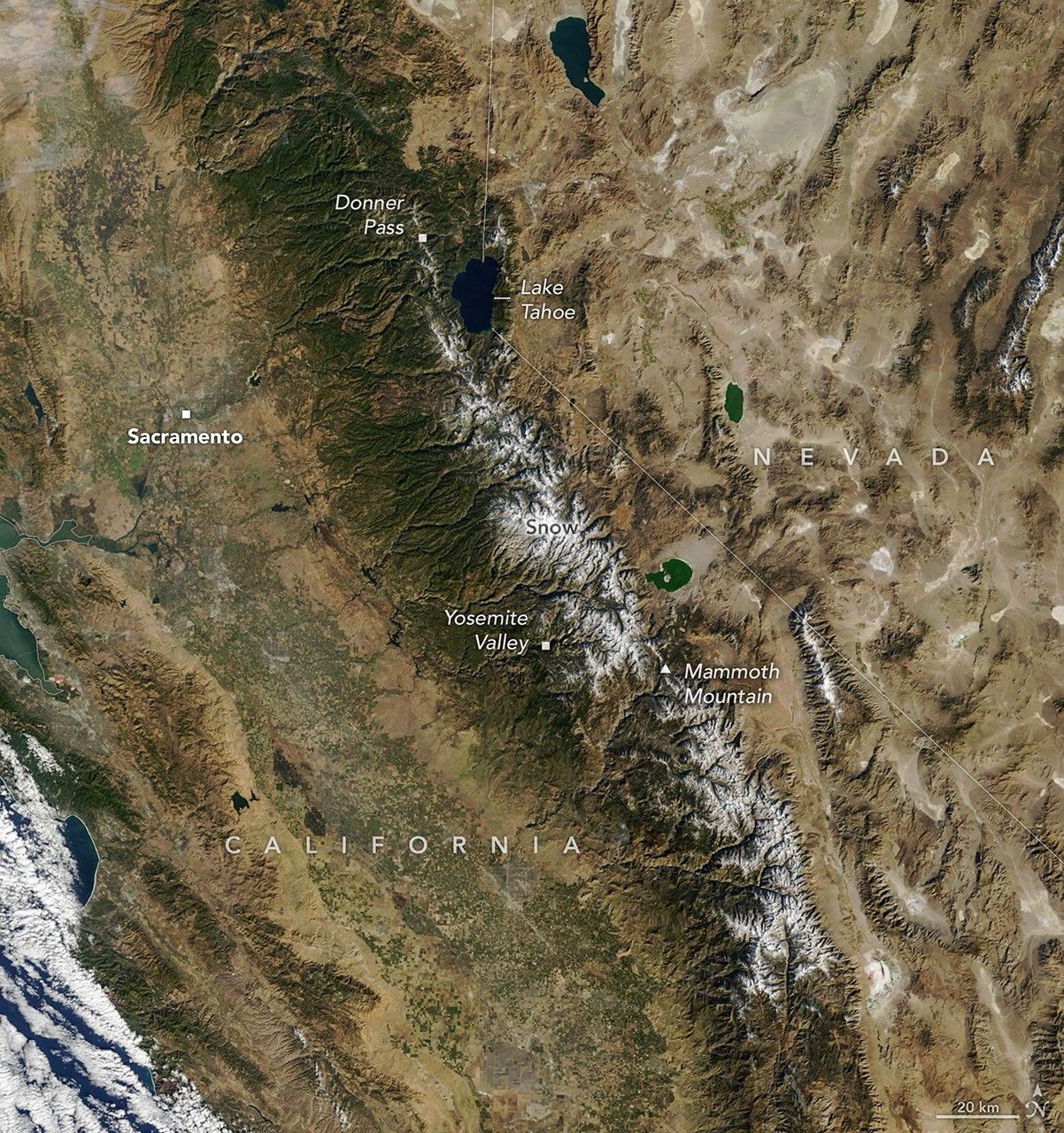
California just got its first major dose of winter, and it did not happen quietly. By mid-November 2026, a significant weather system moved across the Sierra Nevada, dropping enough snow to transform the landscape from dry granite to a thick white blanket. While the headlines focus on ski resorts and travel delays, founders in the climate and resource space should be looking at the data layer underneath this storm.
We are seeing a shift in how these cycles start. For years, we have been told to expect later starts and shorter seasons. When an early-season event like this hits, it tests every infrastructure model we have. It is not just about water; it is about how we predict the reliability of our mountain-based systems in an increasingly volatile environment.
The Data Gap in the High Country
Most of our current monitoring systems are built on historical averages that no longer reflect reality. When a storm like this spins up in mid-November, it provides a crucial stress test for decentralized sensor networks and remote sensing startups. We have plenty of satellites, but we often lack the granular, ground-level verification needed to understand how this early snow will actually settle into the pack.
For those building in the crypto-incentivized physical infrastructure space (DePIN), this is the use case. We need more nodes at high altitudes that can provide real-time telemetry without relying on a centralized grid that usually fails during these exact events. This storm is a reminder that our environmental visibility is still surprisingly thin once you get above 7,000 feet.
Why Founders Should Care About Early Pack
Early snow is often volatile. It creates a base layer that determines the health of the entire water cycle for the following year. If you are building tools for precision agriculture or municipal water management, this mid-November event is your starting gun. The way this snow sits—and whether it stays frozen through December—dictates the burn rate of our water reservoirs six months from now.
We have seen a lot of hype around AI for weather prediction, but much of it is still just fancy pattern matching on old data. Real innovation happens when we can take a specific event like this Sierra storm and feed it into models that account for the changing thermal properties of the soil underneath. The ground is warmer than it used to be. Early snow hitting warm ground creates different runoff patterns than snow hitting frozen ground.
The Infrastructure Play
If you are looking for where the money and the impact will be in the next three years, look at the intersection of ruggedized hardware and edge computing. Every time the Sierras get hit with a storm like this, we realize how much we rely on aging telemetry. We need systems that can survive ten feet of snow while processing data locally to save bandwidth.
- Reliable sensor nodes for snow density measurement.
- Mesh networks that function when traditional towers are iced over.
- Predictive analytics that move beyond simple precipitation counts.
The tech stack for the mountains is still stuck in the early 2000s. There is a massive opportunity for builders to replace these legacy systems with something more resilient and transparent. Using distributed ledgers to verify environmental data could finally give us a record we can trust, rather than relying on estimates that get revised every three months.
Practical Skepticism
I am always wary of the "miracle year" narrative. One big storm in November does not solve a drought, and it does not mean the models are suddenly fixed. In fact, early storms often lead to a false sense of security. Founders need to be careful not to over-promise based on a single data point. The real challenge is building systems that remain useful even if the rest of December is dry.
We should also be skeptical of how this data is reported. A lot of the numbers we see in the mainstream press are averages that hide the reality of specific micro-climates. If you are building a product, go to the raw satellite feeds. Do not wait for the summarized report that comes out weeks later. The speed of information is the only real edge you have in this market.
The Long-Term Founders View
This mid-November snow is a tactical reminder that the physical world is still the ultimate arbiter of our economy. You can build the best software in the world, but if the Sierra snowpack fails or melts too fast, it cascades through the entire California power grid and agricultural sector. The real builders are the ones looking at these storms and asking how they can make the resulting data more liquid and useful.
We need to stop treating weather as an unpredictable act of god and start treating it as a complex data stream that can be audited. This storm is a gift for anyone currently training models on mountain snowpack dynamics. It is a fresh set of variables to test against your assumptions.
The mountains do not care about your roadmap. They only care about what you have built to survive them.
The takeaway here is simple: Use this event to audit your systems. If your data feeds lagged or your models didn't see this coming, it is time to pivot your approach to how you handle early-season volatility. The climate-tech space is crowded with surface-level ideas; the deep value is in the high-altitude, hard-to-reach data that these storms bring to the surface.
Read the original at NASA Breaking News →