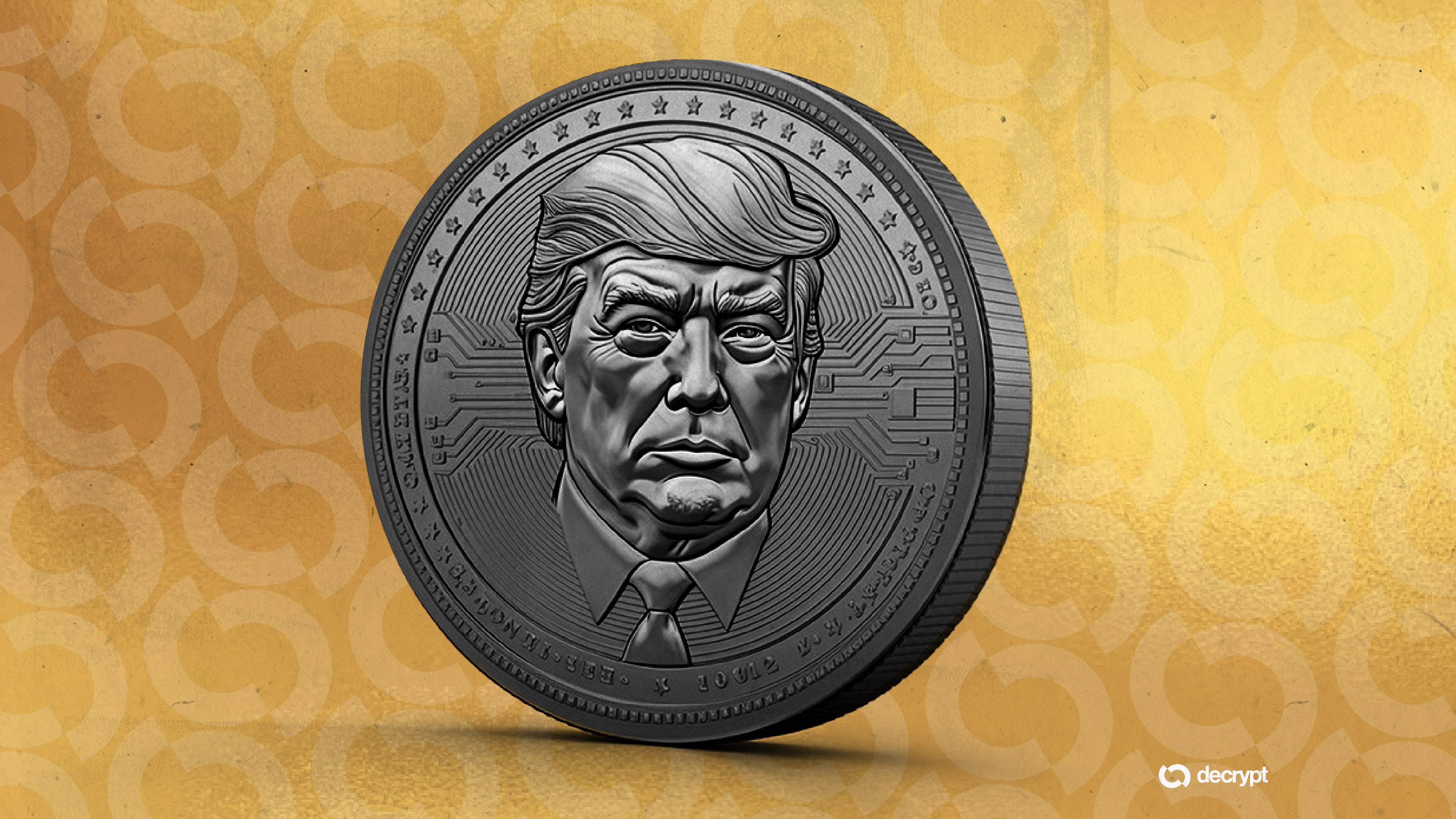
We have reached the point in the cycle where the lines between governance and shitposting have finally blurred into a legislative headache. Senator Kirsten Gillibrand recently voiced a proposal that would have sounded like a fever dream four years ago: banning the President and other elected officials from launching their own meme coins. This comes on the heels of financial disclosures showing Donald Trump has pulled in over a billion dollars from various crypto ventures. It is a messy intersection of technology, power, and personal branding that builders need to watch closely.
The Conflict of Interest Problem
In the traditional world, we have strict rules about what a sitting official can own. They usually have to dump their stocks or put them into a blind trust so they aren't passing laws that pad their own pockets. But crypto is different. A meme coin isn't just an asset; it is a community, a marketing tool, and a liquid market all rolled into one. When an official with a global platform launches a token, they aren't just investing in a sector; they are moving a market they essentially control through their own rhetoric.
Gillibrand’s argument centers on the idea that these digital assets represent a new frontier for potential corruption. If a politician can spin up a liquidity pool and have their followers pump the price, that is a direct financial pipeline from their constituents to their personal wallets with zero oversight. For those of us building in this space, this isn’t just about politics. It is about the legitimacy of the entire asset class. If the public starts seeing crypto as nothing more than a legalized kickback scheme for the ruling class, the regulatory hammer will fall even harder on legitimate developers.
The Trump Precedent
The catalyst here isn't a secret. Detailed financial disclosures recently revealed the sheer scale of Trump's involvement in the crypto ecosystem. We are talking about licensing deals for NFTs, staking rewards, and broader ties to decentralized finance protocols. It is a massive amount of capital flowing through high-risk assets. While it is easy to frame this as partisan bickering, the underlying mechanics are what should concern founders.
When a figurehead of that magnitude enters the meme coin arena, it distorts the market. Meme coins are already a game of attention. Adding the weight of the executive office to that equation creates a supply-and-demand curve that no algorithm can account for. It turns the market into a popularity contest with nuclear-grade stakes. Gillibrand is essentially trying to draw a line in the sand before this becomes the standard operating procedure for every senator with a Twitter following.
Why Builders Should Care
You might think this is just noise for people in Washington, but for builders, this matters deeply. Every time a high-profile official gets involved in a questionable token launch, it gives the SEC and other regulators more ammunition to classify everything in the space as a security. If we can't distinguish between a useful utility token and a politician's pump-and-dump, the law won't bother trying to distinguish between them either.
We are trying to build decentralization, not decentralized bribery. If the only way crypto reaches the mainstream is through the personal enrichment of elected officials, we have failed the original mission of the technology. Founders should be advocating for clear boundaries. We want institutional adoption, but we don't want the type of adoption that turns the blockchain into a slush fund.
The Reality of a Ban
Let's be honest about the enforcement side. How do you actually ban a politician from launching a meme coin? In a world of anonymous wallets and decentralized exchanges, a ban might look good on paper but be impossible to police. If an official’s family member or a shell company launches the token, does that count? These are the technical questions that Gillibrand’s proposal hasn’t fully answered yet.
For the crypto community, this is a test of our own ethics. We often rail against over-regulation, but this is a rare case where the regulation is targeting the people at the top rather than the developers at the bottom. Usually, code is the law, but when the people writing the actual laws are also the ones writing the smart contracts for their own gain, the system breaks down.
The Broader Implications
This isn't just about one politician or one party. It is about the future of how influence is monetized. We are moving toward a world where every public figure is their own economy. If we let that happen at the highest levels of government without any guardrails, we are asking for a level of volatility that will make the 2008 financial crisis look like a minor hiccup.
Takeaway for Founders
- Stay away from political tokens: Developing or providing liquidity for tokens tied to active candidates is a regulatory minefield that isn't worth the short-term gains.
- Transparency is your best defense: The more your project relies on actual utility rather than personality-driven hype, the safer you are from these types of legislative crackdowns.
- Watch the ethics rules: New laws targeting officials will likely set the tone for how "influencer" tokens are treated in the future. If a ban passes for politicians, expect similar scrutiny for celebrities and VCs soon after.
We are at a crossroads where crypto can either be the tool that fixes broken systems or the tool that makes them more corrupt than ever. Gillibrand’s proposal is a clumsy but necessary attempt to keep the technology focused on innovation rather than just another way for those in power to extract value from the public.
Read the original at Decrypt →