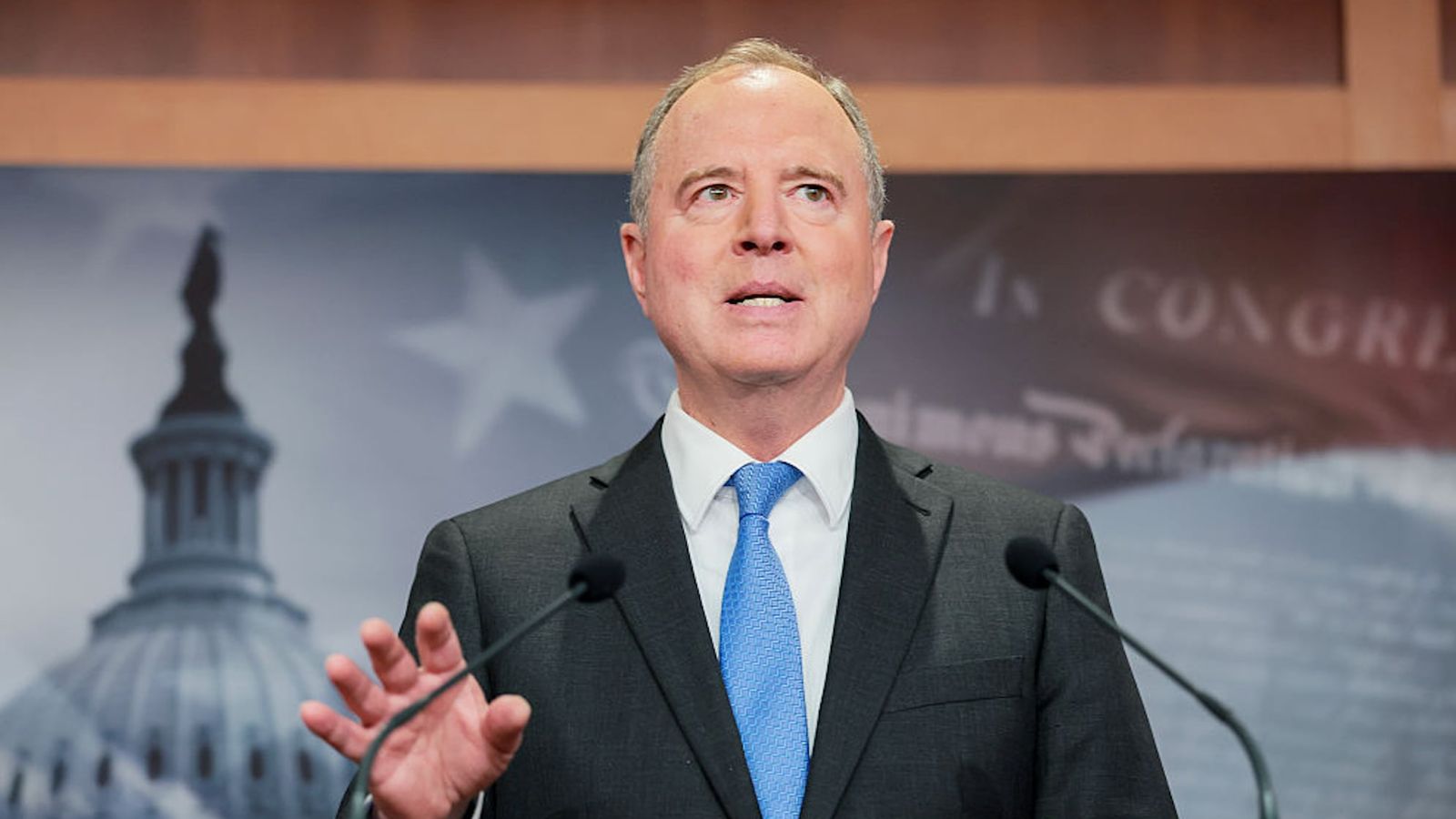
Washington just sent a clear signal to the prediction market space: they are uncomfortable with how much truth these platforms can actually reveal. The Senate recently passed the 'Death Bets Act,' a piece of legislation designed to block contracts tied to war, terrorism, and assassinations. It is currently making its way to the House, and for those of us building in the decentralized space, it feels like a heavy-handed solution to a problem that isn't actually a problem.
The Moral Panic vs. The Truth Machine
Regulators are framing this as a moral crusade. They argue that allowing people to wager on death or conflict creates perverse incentives. On the surface, that sounds reasonable. Nobody wants a world where people are actively rooting for a catastrophe because they have a hundred bucks on it. But that is a surface-level take that misses how these markets actually function.
Prediction markets aren't about gambling; they are about information. They are the most efficient way we have to aggregate disparate data into a single, actionable price. When you ban certain topics, you aren't stopping the events from happening. You are just blinding yourself to the probability of those events.
What the Act Targets
The legislation specifically goes after contracts involving:
- Individual deaths or assassinations
- The outbreak or escalation of war
- Acts of terrorism
- Any outcome deemed 'contrary to the public interest'
That last bullet point is the one that should keep founders awake at night. 'Public interest' is a vague, shifting target that gives regulators a blank check to shut down anything they find inconvenient or embarrassing. If a prediction market accurately forecasts a failed policy or a military blunder, is that against the public interest? Usually, the people in power think so.
The Incentive Argument is a Myth
The biggest fear cited by the Senate is that someone might commit a crime to collect on a bet. This is a common trope in Hollywood movies, but it falls apart in the real world of decentralized finance. The liquidity required to make an assassination bet 'worth it' for a hitman would trigger massive red flags on any transparent blockchain.
Furthermore, most of these platforms have built-in safeguards and dispute resolution layers. The idea that a 20-year-old in a basement is going to start a war to win a Polymarket position is a fantasy. What these markets actually do is provide a hedge. If you are a business owner with supply chains in a volatile region, a war-related contract isn't a 'bet'—it is insurance. By banning these contracts, the Senate is effectively removing a risk-management tool for the private sector.
What This Means for Builders
If you are building in the prediction market or oracle space, the 'Death Bets Act' is a roadmap of where the pressure is going to come from. We are seeing a transition from 'is this a security?' to 'is this socially acceptable?'
For founders, this means your decentralized governance needs to be robust. If a regulator can point to a single person or a small committee that can 'delist' a market, you are a target. The more centralized your curation is, the easier it is for the government to force you to comply with these vague moral standards. This act reinforces the need for true censorship resistance.
The Oracle Problem and Metadata
Another angle to consider is how we categorize data. If the US bans 'death bets,' builders might start looking at how to abstract the data. Instead of a market on 'Will X be assassinated?', you might see markets on 'Will there be a special election in District Y?'. The outcome is the same, but the framing is different. However, playing cat-and-mouse with regulators is a losing game. The goal should be to build infrastructure that doesn't care what the question is.
The Global Arbitrage
The most predictable outcome of this legislation? The innovation simply moves offshore. Prediction markets are a global phenomenon. If the US makes it illegal to forecast geopolitical conflict, those markets will simply move to jurisdictions that value data more than optics. US-based builders will be at a disadvantage, and US-based analysts will lose access to the best sentiment data in the world.
The irony of the Death Bets Act is that it tries to protect the public by keeping them in the dark. We are trading clarity for comfort.
We saw this with the early days of the internet. There were attempts to ban encryption and certain types of peer-to-peer data transfer. Those attempts failed because the technology was more useful than the laws were restrictive. Prediction markets are in that same spot right now. The demand for accurate forecasting is higher than it has ever been.
The Founder Perspective
As a builder, you have to ask yourself: are you building a tool for the world as it is, or the world as regulators want it to look? If you are building for the former, you need to lean into decentralization. If you are building for the latter, you are essentially building a feature for a legacy bank.
The Senate passing this act isn't the end of prediction markets, but it is the end of the 'honeymoon phase' where we could pretend these platforms weren't disruptive. They are disruptive because they tell the truth, and the truth is often uncomfortable.
Final Takeaway for the Space
The Death Bets Act is a signaling device. It tells us that the government recognizes the power of prediction markets and is scared of how they might be used to challenge official narratives. For those in the trenches, the mission hasn't changed. Build tools that aggregate truth, ensure they are permissionless, and realize that 'public interest' is usually just another word for 'incumbent protection.'
Read the original at The Block →