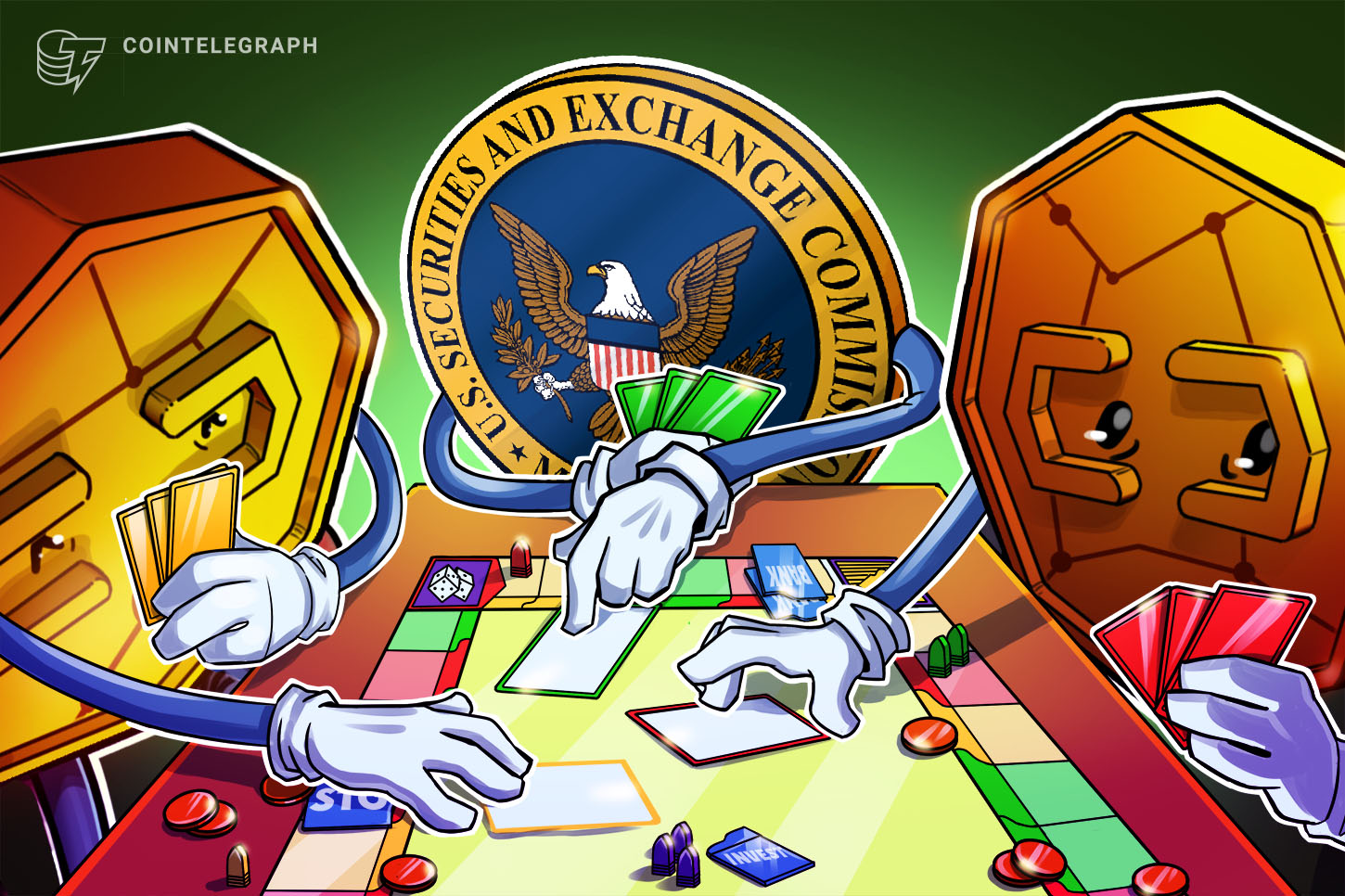
We are back in the familiar territory of regulatory tug-of-war. For a moment, it looked like the Securities and Exchange Commission was entertaining the idea of some breathing room. Now, a group of Senate Democrats, led by the usual suspects like Elizabeth Warren and Chris Van Hollen, are making it clear they want those doors slammed shut. They are specifically targeting two recent proposals that would have offered exemptions for certain crypto activities and tokenized stocks.
The Proposed Olive Branch
To understand why the Senators are upset, we have to look at what the SEC was actually considering. The regulator had floated ideas that would essentially modernize how we think about custody and the exchange of digital assets. These exemptions weren't a free pass for the whole industry, but they were a nod to the fact that 1930s-era laws don't always map perfectly onto a blockchain. For builders, this looked like a potential path to legal clarity without having to spend five years in a sandbox that doesn't let you scale.
Specifically, the proposals aimed to lower the barrier for certain tokenized securities. If you are building in the RWA space, this is your lifeblood. Tokenizing a stock or a real-world asset requires a bridge between traditional finance and the chain. The SEC’s proposed exemptions were meant to make that bridge less of a toll road. The argument from the pro-innovation side is simple: if the technology provides better transparency and instant settlement, the regulatory burden should reflect that efficiency.
The Pushback From the Hill
The letter from the Senators argues that these exemptions create a dangerous loophole. They claim that easing these rules would allow crypto firms to bypass the rigorous disclosure and consumer protection standards that apply to traditional Wall Street. It’s the "same activity, same risk, same rules" mantra. While that sounds logical on paper, it ignores the technical reality of how distributed ledgers work. A ledger that is public and immutable offers a type of protection that a private database at a clearinghouse simply cannot.
The Senators are essentially telling the SEC to stop being "soft" on the industry. They view any exemption not as a modernization, but as a retreat. For anyone in the trenches building these systems, this feels like a refusal to acknowledge the tech. It’s a signal that the political climate is still focused on containment rather than integration.
What This Means for RWA Founders
If you are building in the tokenized stock or real-world asset space, the message is loud and clear: do not count on the SEC to make your life easier anytime soon. Even if Gary Gensler’s agency wants to move toward a more flexible framework, the political pressure from the Senate acts as a heavy anchor. This isn't just about the SEC’s internal logic; it’s about the political capital they are willing to spend to defend these changes.
For founders, this means your compliance budget is going to stay high. You have to assume that the most stringent interpretation of the law is the one you’ll be measured against. If you were banking on an exemption to make your business model viable, you might need to rethink your roadmap. A business that only works if the government gives you a special pass is a high-risk gamble.
The Transparency Paradox
The irony in this situation is that the very thing the Senators want—more oversight and protection—is exactly what tokenization provides. By moving assets onto a chain, we get a real-time view of ownership and movement. Yet, the regulatory focus remains on the wrapper rather than the utility. This disconnect is the biggest hurdle for the industry. We are trying to prove the tech works while the regulators are still arguing about the definitions of the words we use to describe it.
We are seeing a clear divide between the technological potential and the political reality. The Senators aren't necessarily wrong to want protections for investors, but they are looking for those protections in the wrong places. They want more paperwork and manual reporting, while the industry is trying to build automated, programmatic trust.
The Long Game
This pushback shouldn't come as a surprise. Every time the crypto industry makes a small step toward the mainstream, the counter-reaction is swift. We saw it with the ETF approvals, and we are seeing it now with tokenization. The goal for builders shouldn't be to wait for the perfect law to be passed. The goal is to build systems that are so demonstrably better, safer, and more transparent that the old rules eventually look ridiculous by comparison.
However, that takes time and money. It also takes a certain amount of thick skin. If you are easily spooked by a letter from a Senator, you are in the wrong business. This is a war of attrition. The regulators and the politicians move slowly; the technology moves fast. The gap between those two speeds is where the friction lives.
The Takeaway for the Ecosystem
The immediate takeaway is that the SEC is under intense pressure to maintain a hardline stance. Expect the pace of new exemptions or "no-action" letters to slow to a crawl. The political oversight of the SEC is currently geared toward skepticism, not support. This will likely lead to more enforcement actions and fewer collaborative rule-making sessions.
If you are a founder, your strategy should be centered on resilience. Build for the most difficult regulatory environment possible. If the rules eventually loosen up, you’ll be ahead of the game. If they stay tight, you’ll be one of the few left standing. Don't build on the hope of a regulatory miracle. Build on the reality of the code and the current law, as frustrating as it may be.
The regulatory landscape isn't shifting toward clarity; it's shifting toward more intense scrutiny. Founders who wait for permission will be left behind by those who build within the existing constraints while proving the tech's value.
We are in a cycle of consolidation and refinement. The "move fast and break things" era is over in crypto, especially where it intersects with traditional securities. Now, it’s about moving carefully and building things that are unbreakable, even under the weight of an unfriendly Senate.
Read the original at Cointelegraph →