The Cost of a Single Flaw
In the world of decentralized finance, there is no such thing as a small mistake. We talk about 'builder-first' mentalities, but the reality is that building in this space means carrying the weight of your users' retirement funds, savings, and trust on your shoulders. When that weight becomes too heavy, the platform collapses. That is exactly what we are seeing with SecondFi.
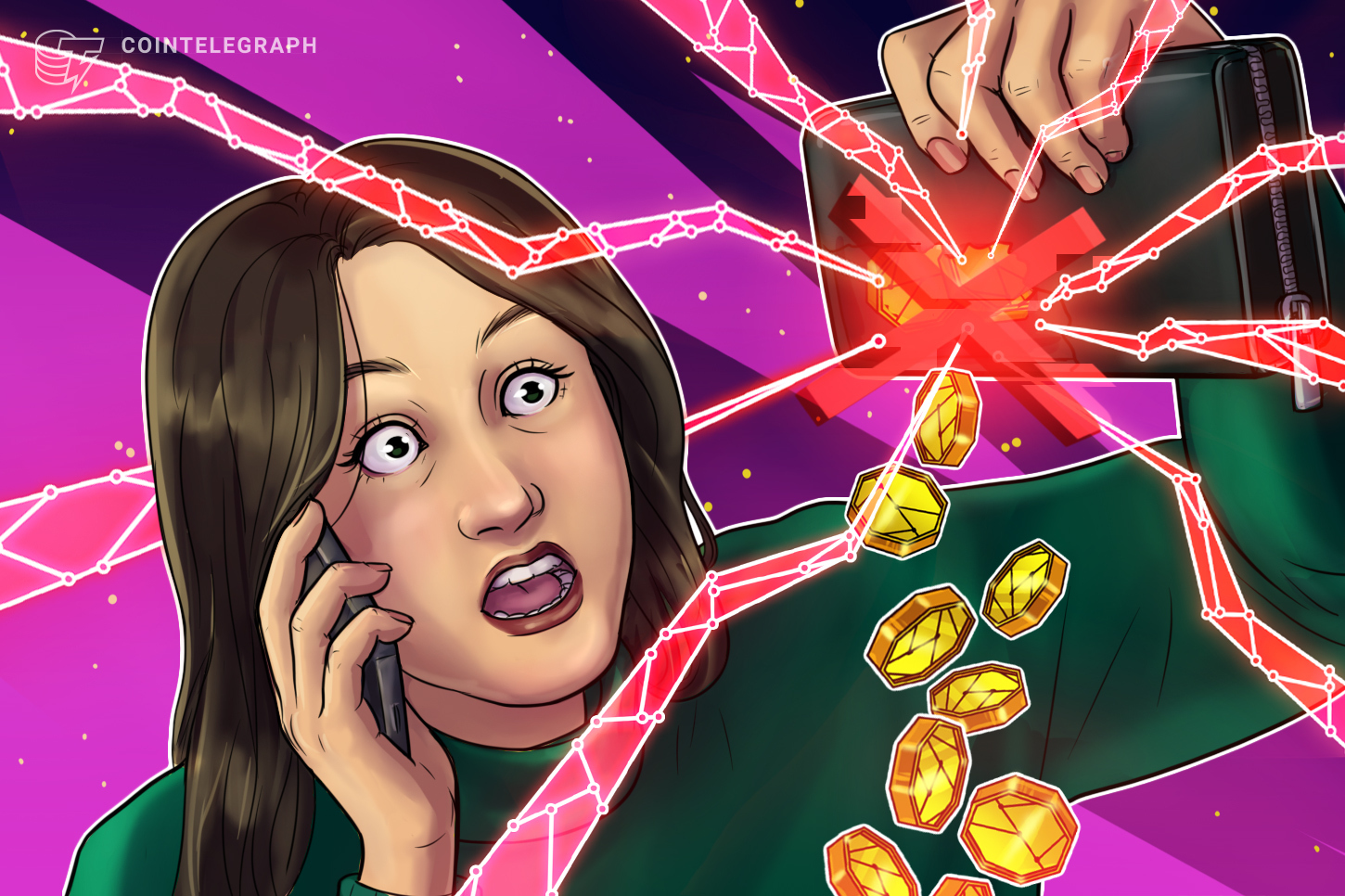
After a devastating exploit that drained roughly 2.6 million ADA—worth approximately $1.1 million at the time of the breach and significantly more in a fluctuating market—the team behind SecondFi has announced they are winding down operations. The narrative here isn't just about a hack; it's about the systemic failure of recovery and the harsh reality of what happens when a team realizes they can no longer fulfill their promises to their community.
The Vulnerability That Ended It All
The root cause of the fallout was a flaw in the platform’s wallet infrastructure. In the early days of any DeFi project, speed is often prioritized over rigorous, multi-layered security audits. While I don't know the internal conversations at SecondFi, the outcome suggests a common pattern: a technical oversight that went unnoticed until someone with malicious intent found it.
When you are a founder, your codebase is your greatest asset and your biggest liability. For SecondFi, this specific wallet flaw allowed an attacker to bypass intended restrictions and siphon off a massive portion of the total value locked. For a mid-sized protocol on Cardano, losing millions of ADA isn't just a hurdle; it's a death sentence for liquidity and user confidence.
The Recovery Delay
Perhaps the most frustrating part for the victims of this theft is the breakdown in communication and the failure of tools that were promised to fix the mess. Initially, the SecondFi team suggested that recovery tools would be available within a few weeks of the exploit. That timeline has come and gone, and users are still holding empty bags.
As a builder, I understand the desire to project optimism during a crisis. You want to tell your users that everything is under control and that a fix is just around the corner. But in crypto, an empty promise is worse than silence. When you set a deadline for a recovery tool and miss it, you aren't just missing a milestone—you are eroding the last shred of trust your community has in you. The delay in these tools suggests that the technical debt or the complexity of the recovery was far greater than the team initially calculated.
Why They are Quitting
Shutting down a project is a heavy decision. It usually happens when the founders realize that the cost of rebuilding—both the software and the reputation—outweighs the potential future value of the protocol. For SecondFi, the exploit didn't just take the money; it took the momentum.
Once a protocol is drained, the 'Lindy Effect' works against you. The longer a platform remains broken or vulnerable, the less likely anyone is to ever trust it with their assets again. By winding down, the team is effectively admitting that the path to redemption is too steep. It is an honest, if painful, conclusion. It’s better to shut down than to continue stringing users along with the ghost of a platform that will never regain its footing.
The Lessons for Builders
If you are currently building a protocol, whether it is on Cardano, Ethereum, or a Layer 2, you need to look at SecondFi as a cautionary tale. Here are the hard truths we can extract from this mess:
- Security isn't a feature, it's the product. If your wallet logic or smart contracts aren't bulletproof, you are just building a very expensive honey pot for hackers.
- Manage expectations during a crisis. If you don't know when a recovery tool will be ready, don't say 'weeks.' Say you are working on it and provide granular updates. Over-promising and under-delivering kills projects faster than the original exploit does.
- The 'Move Fast and Break Things' era is over. In social media, breaking things means a site goes down for an hour. In DeFi, breaking things means families lose their life savings. We have to move toward a more conservative, safety-first engineering culture.
What Happens to the Cardano Ecosystem?
Cardano has often been praised for its slow, academic approach to development, which is supposed to prevent these kinds of catastrophic failures. However, SecondFi reminds us that the underlying blockchain can be as secure as a vault, but if the application-level logic is flawed, the assets are still at risk. This isn't a 'Cardano problem,' it's a 'DeFi problem.'
Every time a project like this fails, it hurts the overall sentiment of the ecosystem. It gives fuel to critics who say that decentralized finance is just a playground for scammers and poorly written code. For the builders remaining in the space, the task is now twofold: you have to build great products, and you have to prove that those products won't disappear overnight because of a single line of bad code.
The measure of a founder isn't how they handle the growth phases, but how they handle the fallout when the code fails. Transparency and accountability are the only currencies that matter when the ADA is gone.
The Reality of the Wind Down
The wind-down process for SecondFi will likely be a quiet transition toward obsolescence. For the users who were waiting on those recovery tools, the news of the shutdown feels like a second blow. While the team may still attempt to provide some form of resolution, the track record so far isn't encouraging.
In this industry, we often celebrate the 'pivots' and the 'rebrands,' but we rarely talk about the exits that happen because of failure. SecondFi is a reminder that the stakes are high, the margin for error is zero, and the community's patience is finite. If you can't protect the assets, you can't run the business. It’s that simple.
Read the original at Cointelegraph →