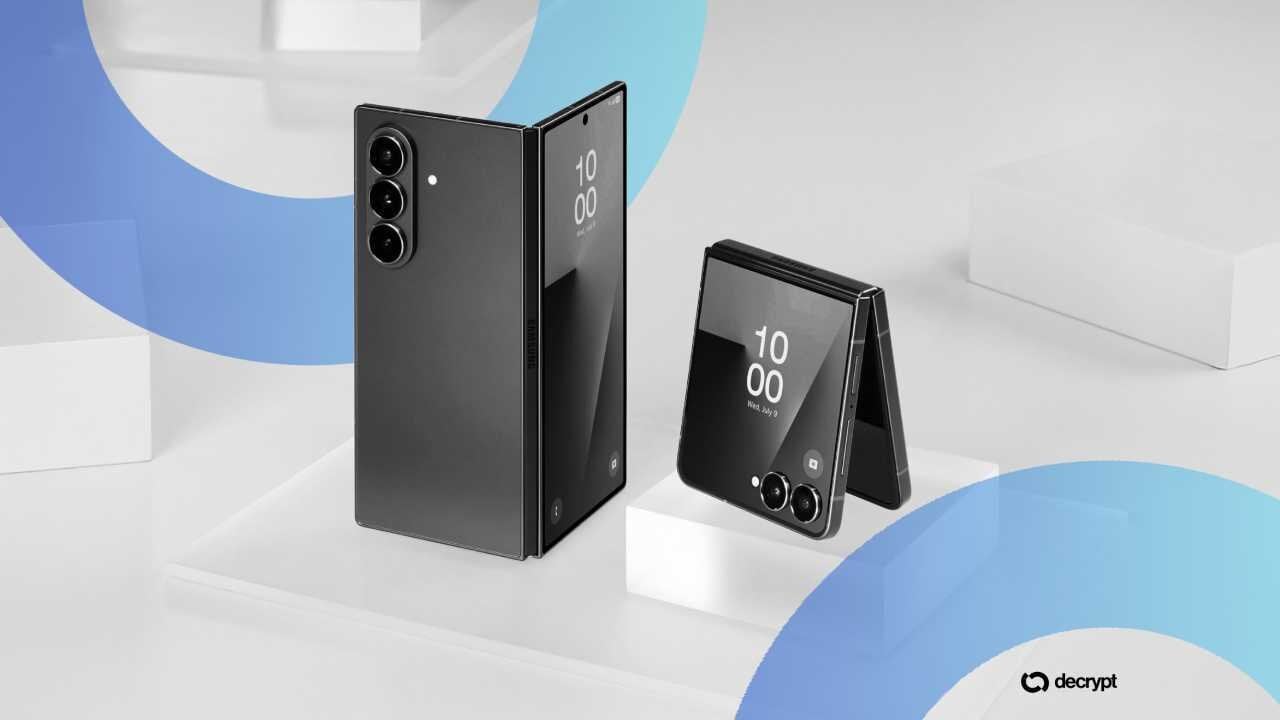
The Quiet Signal from Galaxy Unpacked
During the recent Galaxy Unpacked event, a blink-and-you-miss-it UI mockup appeared on screen. It showed the Samsung Wallet interface, but with a new addition: Circle’s USDC stablecoin. This was not a formal press release or a staged demo of a new feature ready for download. It was a subtle signal. Samsung is finally looking at stablecoins as a core part of its mobile experience.
For those of us tracking the intersection of hardware and crypto since the early days of the Samsung Blockchain Keystore, this is a long time coming. Samsung has always been more adventurous than Apple when it comes to distributed ledger technology, but they have also been cautious. They have focused on secure enclaves and private key storage rather than the user layer. Integrating USDC directly into the wallet app changes that trajectory.
Why Stablecoins are the Real Mobile Bridge
If you are building in this space, you know the friction of mobile. Most people do not want to hold volatile assets in their pocket for daily use. Bitcoin is a savings account; stablecoins are a checking account. By bringing USDC into a native Android wallet that is already pre-installed on millions of devices, Samsung is admitting that the future of digital payments is not just credit cards and NFC taps.
It is worth noting that details remain scarce. We do not know yet which chains will be supported or if this is limited to specific regions. However, the presence of USDC over other stablecoins is a strategic choice. USDC carries a veneer of regulatory compliance and institutional trust that fits the corporate profile of a hardware giant like Samsung. It is the safe bet for a company that cannot afford the reputational risk of unbacked or algorithmic alternatives.
The Multi-Chain Reality for Founders
As builders, we have to look at what this means for app distribution. If Samsung Wallet becomes a primary gateway for USDC, it lowers the barrier for decentralized applications (dApps) to reach the mainstream. Historically, the hurdle has always been on-ramps and off-ramps. If a user can manage their digital dollars directly through the same interface where they keep their boarding passes and loyalty cards, the entire UX flow for a new crypto-integrated product becomes significantly shorter.
This moves us closer to a world where we can stop talking about wallets as separate, scary pieces of software. Instead, they become just another backend service for the operating system. This is the hardware layer catching up to the infrastructure layer. We have had fast, cheap stablecoin movement on networks like Solana and Base for a while now. The missing piece was a phone that treated these assets as first-class citizens.
The Struggle for Developer Access
We should still be skeptical about the implementation. Samsung has a habit of locked-down ecosystems. If they support USDC but do not provide an open API for third-party developers to interact with those funds securely, it is just another walled garden. For this to actually matter to founders, we need access. A private key held in a secure enclave is great for security, but if the user has to jump through three hoops to sign a transaction for your app, the friction remains.
Samsung is competing with the likes of Metamask and Phantom, but they have the advantage of being the manufacturer. They own the screen and the biometric sensors. If they get the integration right, they could easily become the largest crypto custodian by proxy of being a hardware provider. But they often stumble by making things enterprise-heavy and difficult for the average dev to integrate into a weekend project.
The Regulatory Shadow
It is no coincidence this move is happening as global regulations around stablecoins begin to solidify. Large corporations do not move until the legal framework is clear enough to minimize liability. The inclusion of USDC suggests that Samsung sees the regulatory fog lifting in key markets. They are positioning themselves for a world where digital dollars are handled with the same scrutiny as traditional bank transfers.
This suggests that builders should focus on compliance-friendly rails. If you are building around assets that do not meet the standards of a company like Samsung, you are likely cutting yourself off from future hardware-level integrations. The goal is to be where the eyeballs are, and for billions of people, those eyeballs are on a Samsung screen.
What Changes for You
Stop thinking about crypto as a niche web experience. If hardware giants are putting stablecoins on their main stage, it means the transition to mobile-first crypto is accelerating. You should be looking at how your products handle dollar-pegged assets and whether you are ready for a user base that doesn’t care about the underlying blockchain, but cares deeply about the ease of use.
Samsung’s move is a vote of confidence in the utility of USDC. It is not about speculation; it is about commerce. The infrastructure is being laid out for us. Our job is to build things that make people actually want to spend those digital dollars once they are finally sitting in their Samsung Wallet.
Takeaway: Samsung’s brief reveal of USDC support isn't just a UI update; it’s a signal that hardware manufacturers are ready to treat stablecoins as standard currency, significantly reducing friction for mobile-first crypto adoption.
Read the original at Decrypt →