The Trojan Horse in Your Pocket
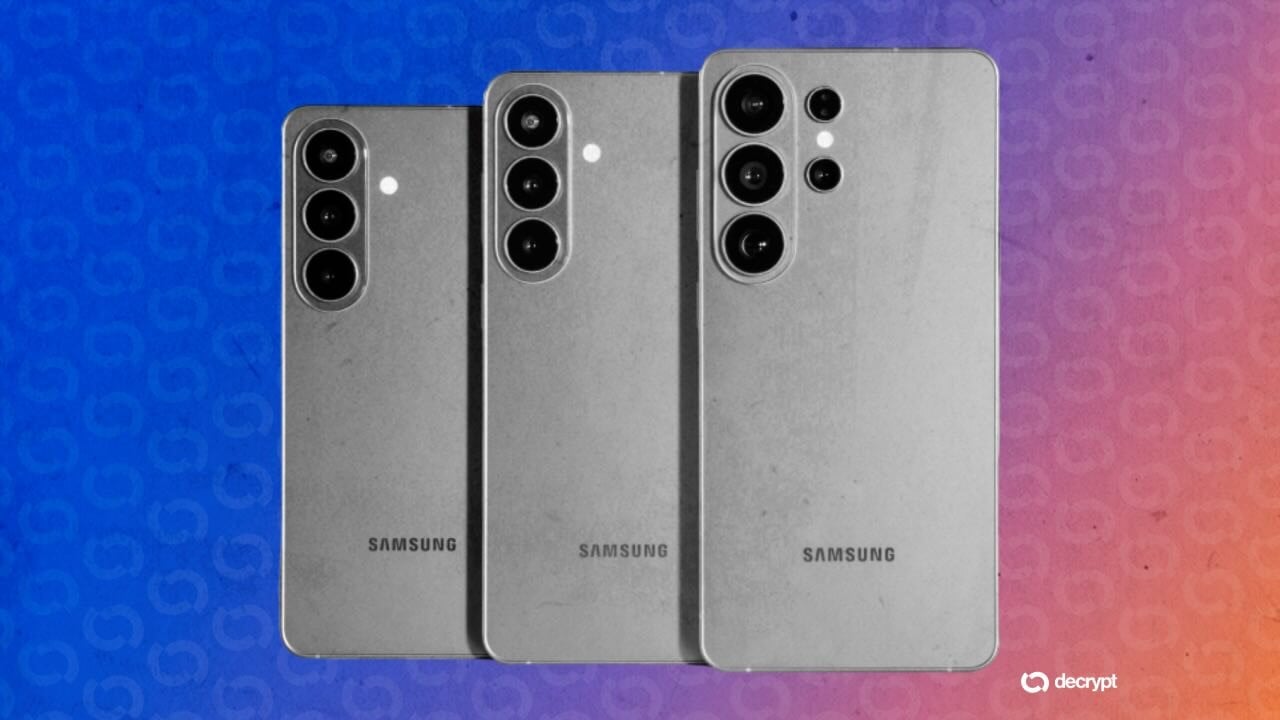
For years, the crypto industry has been obsessed with the concept of the super app. We watched WeChat dominate China and wondered if a decentralized version would ever take hold in the West. It turns out, the super app isn't an app at all—it’s the hardware. Samsung just proved this by flipping the switch on Solana-based USDC transfers for over 80 million Galaxy devices in the United States.
This isn't just another partnership announcement or a vague press release about exploring blockchain technology. This is a massive distribution play. By late October, Samsung Wallet users will be able to move stablecoins across borders with the same ease they use to pay for a coffee via NFC. It’s a direct challenge to the traditional banking infrastructure, and it’s happening on the most common piece of technology we own: the smartphone.
Why Solana is the Choice for Hardware
Back in July, Samsung teased that stablecoin support was coming, but they stayed quiet on the specifics. Choosing Solana isn't a surprise to anyone who has been paying attention to the performance requirements of a global consumer brand. If you’re going to put a wallet in the hands of 82 million people, you can't have them waiting ten minutes for a block to confirm or paying five dollars in gas fees to send ten dollars to a relative.
Solana provides the throughput and the low latency that a consumer electronics giant requires. Samsung isn't interested in the ideological battles between Layer 1s; they are interested in what works for a user who doesn't know what a seed phrase is. By leaning on the Solana network, they get the speed of a private database with the settlement finality of a public ledger. It’s a pragmatic choice for a company that prioritizes user experience over decentralization theater.
The End of the Niche Wallet?
For a long time, the barrier to entry for crypto was the friction of the onboarding process. You had to download a third-party wallet, write down twenty-four words, and hope you didn't get phished. Samsung is effectively removing that friction by embedding the capability into the device's native ecosystem. When the wallet is already there, pre-installed and secured by the hardware’s Trusted Execution Environment, the psychological barrier to using crypto vanishes.
This move should be a wake-up call for standalone wallet developers. If your only value proposition is sending and receiving tokens, you are about to be commoditized by the manufacturers. The future of the wallet isn't an app icon; it’s a system-level service. For builders, this means the focus needs to shift away from building better wallets and toward building better services that live inside these native wallets.
Stablecoins as a Global Settlement Layer
The real story here isn't the technology—it’s the utility. USDC has become the de facto dollar of the internet. By integrating it into a mass-market device, Samsung is legitimizing the idea that crypto is for payments, not just speculation. Cross-border transfers have historically been a nightmare of high fees and predatory exchange rates. If a Galaxy user can bypass the SWIFT system and send value instantly for fractions of a penny, the traditional remittance market is in serious trouble.
We are seeing the transition of crypto from a speculative asset class to a functional utility. When a user sends USDC via Samsung Wallet, they aren't thinking about the blockchain; they are thinking about the dollars. This abstraction is the final boss of crypto adoption. We know we’ve won when the word crypto isn't even mentioned in the marketing materials.
What This Means for the Builder Community
If you are a founder or a developer, you need to look at this as a massive expansion of your TAM (Total Addressable Market). Suddenly, 82 million people have a Solana-compatible entry point sitting in their pockets. This opens up doors for micro-payments, decentralized loyalty programs, and peer-to-peer commerce that were previously restricted to the tech-savvy minority.
However, this also means the bar for quality has been raised. A native integration means users will expect a high-polish, high-security experience. The days of clunky dApps that break every other day are over. If you want to tap into the Samsung ecosystem, your product needs to feel as seamless as any other native Android utility.
The Skeptic's Corner
I’m naturally skeptical of big tech entering the space. We have to ask: how much control does the user truly have? While the keys are stored in the hardware, the interface is still a Samsung-controlled environment. There is a risk that this leads to a walled garden version of crypto, where the benefits of permissionless finance are traded for the convenience of a corporate UI.
We also have to consider the regulatory pressure. Samsung wouldn't be doing this in the US if they weren't confident in the legal standing of USDC. This suggests a quiet confidence that stablecoin regulation is reaching a point of clarity, at least for the major players. For the smaller builders, this could mean a steeper climb to compete with the compliance departments of a multi-billion dollar conglomerate.
Final Takeaway for Founders
Stop building for the 1% of crypto-natives and start building for the 82 million people who just got a wallet via a software update. The infrastructure is being laid by the giants; your job is to build the applications that make that infrastructure worth using. The hardware hurdle has been cleared—now it's a race to provide actual value.
The future of crypto isn't a new app; it's a feature on the phone you already own. Samsung just made Solana the default for millions, and the industry will never be the same.
Read the original at Decrypt →