The Hardware Gatekeepers are Waking Up
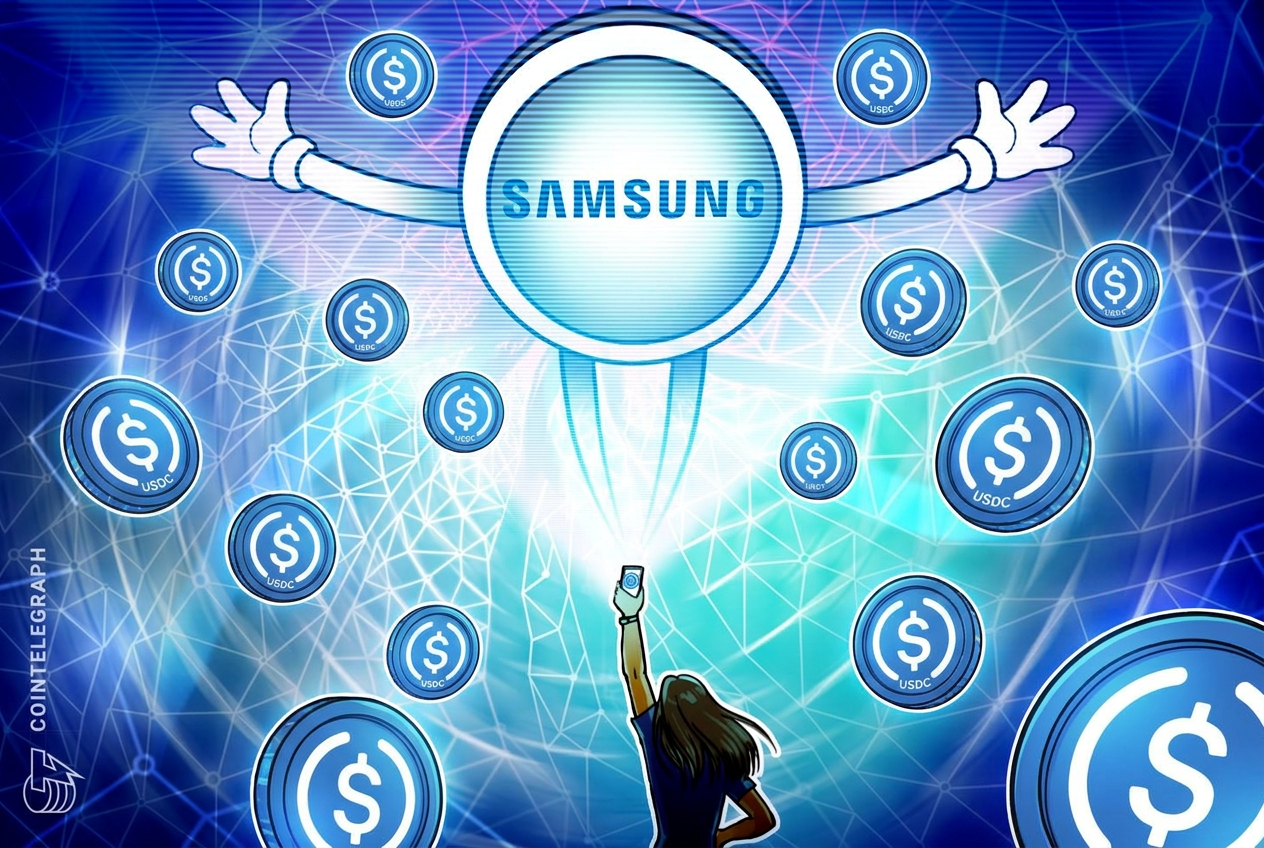
For years, the promise of mobile crypto has been trapped in a game of hot potato between hardware manufacturers and software developers. You had your specialized "crypto phones" that nobody bought, and then you had the flagship devices where crypto was treated like a dangerous side project buried deep in the settings. That dynamic is shifting. Samsung just confirmed that its Wallet app will support USDC transfers for U.S. Galaxy users starting this October.
This isn't just another wallet integration. This is about one of the world's largest hardware manufacturers deciding that stablecoins are ready for the average consumer. By allowing users to send USDC to other wallets and—more importantly—off-ramp those funds to bank accounts across 60 countries, Samsung is effectively turning every Galaxy phone into a global remittance hub.
Stablecoins as the Minimum Viable Product
Builders need to pay attention to the specific choice of asset here. Samsung didn't lead with a volatile token or a complex DeFi protocol. They chose USDC. It signals a move toward utility and away from the casino culture that has dominated the mobile crypto space for the last few years. For a founder, this is a clear sign: the market is ready for stablecoin-first architecture.
When we talk about mass adoption, we often get caught up in UI/UX discussions. But the real friction has always been the bridge between the digital asset and the local bank account. If Samsung can successfully abstract away the complexity of cross-border transfers using USDC as the rail, they solve the biggest headache for international freelancers and migrant workers without them ever needing to understand what a private key is.
The Multi-Chain Reality Meets the Mainstream
One of the quiet hurdles for builders has been the fragmented nature of liquidity. Samsung's move suggests a consolidation of focus. They are betting that users want a dollar-equivalent that works. By integrating with established banking rails in 60 countries, they are doing the heavy lifting that most startups spend years trying to navigate through regulatory minefields.
From a founder’s perspective, this is both a blessing and a warning. The blessing is that the infrastructure is finally becoming mainstream. The warning is that if you were building a basic wallet or a simple remittance app, your competition is no longer a small startup in San Francisco—it is the company that manufactured the phone in your pocket.
Why This Matters for Builders
If you are building in the AI or Web3 space, this shift changes your distribution strategy. We are moving toward a world where the "wallet" is a native service of the operating system, not a third-party app you download from a store. This mirrors how Apple Pay and Google Pay swallowed the physical wallet.
For AI founders, this is particularly interesting. As we move toward autonomous agents that need to perform transactions, having a stablecoin rail built into the hardware layer simplifies the permissioning and settlement process. You don't need to build a payment gateway; you just need to hook into the existing hardware wallet infrastructure that millions of people already carry.
The Skeptic's Corner
While this is a massive step forward, we shouldn't ignore the trade-offs. By moving crypto into the native Samsung Wallet, we are seeing a centralization of the decentralized dream. This is "crypto-lite." It’s convenient, it’s fast, and it’s compliant, but it also means the hardware manufacturer has a significant amount of control over your financial data and access.
For the purists, this is a step backward. But for the builders who want to reach the next billion users, it is the only path forward. We have to be honest: the average person does not want to manage a seed phrase on a piece of paper. They want their money to work as seamlessly as their text messages. Samsung is betting that convenience will always win over complete sovereignty.
Looking Ahead to October
The rollout this month will be a litmus test for the industry. If the user experience is smooth and the fees are lower than traditional wire transfers, we will see a massive influx of non-crypto users entering the ecosystem through the back door. They won't think of themselves as "crypto users"; they will just be people using a faster way to send money home.
As builders, the play here is to build services that sit on top of these native rails. Stop trying to build the rail itself. Samsung and Apple will win the rail war. Your job is to build the destination—the apps and AI services that make people want to use that rail in the first place.
Takeaway for Founders
- Integration over Isolation: Don't build standalone wallets. Build tools that leverage native hardware wallets like Samsung's.
- Stablecoins are the Standard: If your product relies on token volatility for utility, you are fighting an uphill battle. Focus on USDC and other stable assets for real-world use cases.
- The Global Off-Ramp is Key: The ability to hit a bank account in 60 countries is the real value proposition. Any global service you build should prioritize these exit ramps.
The walls between traditional finance and crypto are not just thinning; they are being integrated into the hardware we use to check our email. October isn't just a product update for Samsung—it's a signal that the infrastructure phase of crypto is maturing, and the application phase is finally ready to begin.
Read the original at Cointelegraph →