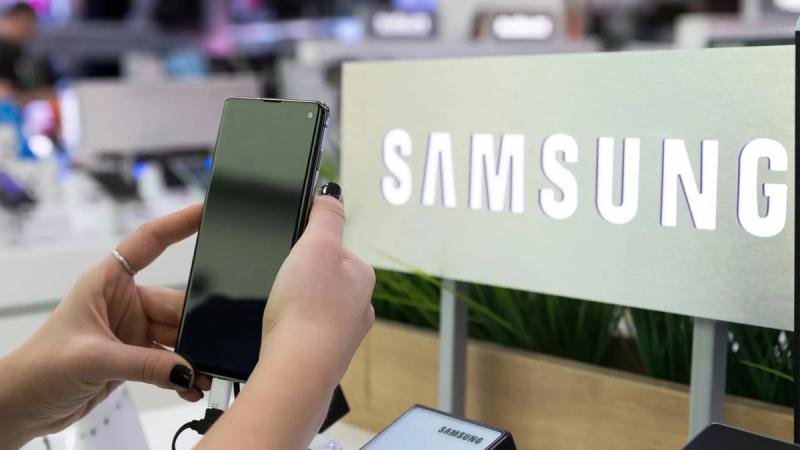
We have spent years hearing about the mythical killer app that would finally bridge the gap between niche crypto enthusiasts and the average person holding a smartphone. Most of the time, those promises end up being over-collateralized lending protocols or pixelated profile pictures. But this month, something much more practical is happening. Samsung is integrating USDC into its Galaxy ecosystem, leveraging the Solana network to target cross-border remittances for roughly 82 million users.
This isn't just another partnership announcement for the sake of a press release. It is a fundamental shift in how one of the world's largest hardware manufacturers views digital assets. Starting in late October, eligible Galaxy users won't just be holding a phone; they'll be holding a global portal for moving value that bypasses the traditional, often sluggish, banking rails.
The Infrastructure Play
From a founder's perspective, the choice of Solana for this integration is telling. When you are dealing with a user base the size of Samsung's, you cannot afford high gas fees or three-minute settlement times. The friction of the user experience has been the primary reason crypto hasn't replaced Western Union yet. If it costs twenty dollars to send fifty dollars, the technology is broken for the average person.
By using Solana, the transaction costs become negligible, and the speed mimics a domestic digital payment. For the first time, sending money from a Galaxy device in Seoul to a bank account in Manila might actually feel as seamless as sending a text message. The system is designed to allow users to send USDC directly or facilitate local-currency payouts to bank accounts in over 60 different countries. This is the plumbing of the new financial system being laid out in real-time.
Why USDC Matters Here
I have always been skeptical of the "crypto as currency" argument when applied to volatile assets like Bitcoin. Most people living paycheck to paycheck cannot afford to have their purchasing power fluctuate by ten percent while their money is in transit. USDC solves this. It provides the stability of the dollar with the velocity of a blockchain.
For builders, this is a signal that the market is maturing toward utility. We are moving away from the era of "buy this token because it might go up" and into the era of "use this stablecoin because it solves a logistical headache." Samsung isn't selling a dream; they are selling a feature that saves their customers money on transaction fees.
The Challenge for Builders
If you are building in the Web3 space right now, you need to look at this and ask yourself: what happens when the wallet is already in the OS? For years, the barrier to entry was downloading a browser extension, writing down a seed phrase, and figuring out how to fund a wallet. Samsung is effectively removing those hurdles for 82 million people.
This creates a massive opportunity for developers to build service layers on top of this distribution. If the movement of money is solved, the next frontier is what people do with that money once it arrives. We need better interfaces for micro-lending, localized insurance, and peer-to-peer commerce that can hook into this existing hardware-level infrastructure.
A Dose of Reality
While this is a significant step forward, we shouldn't put on the rose-colored glasses just yet. Regulatory hurdles remain the biggest bottleneck. Samsung is starting with "eligible users," which is corporate-speak for "people in jurisdictions where we won't get sued." The rollout to 60 countries is impressive, but the compliance burden of managing local-currency payouts is immense. This isn't just a tech problem; it's a legal one.
Furthermore, we have to see if the average user actually cares. Just because a feature exists on a phone doesn't mean it gets used. Most people are creatures of habit. They will continue to use legacy remittance services until the pain of the old way outweighs the effort of learning the new way. The marketing and education push following this launch will be just as important as the code itself.
The Founder Takeaway
The lesson here is simple: Distribution is king. You can build the most elegant smart contract in the world, but if you don't have a way to get it into the hands of millions, it doesn't exist. Solana won this round not just because of its throughput, but because it positioned itself as the enterprise-ready choice for a hardware giant.
Stop building for other crypto founders. Start building for the person who just wants to send money home to their family without losing a week's worth of wages to a middleman. Samsung just handed the industry a massive laboratory of 82 million subjects. It's time to see what we can actually do with it.
The real victory here isn't the token price; it's the fact that 82 million people are about to treat a blockchain like a utility instead of a casino.
As this rolls out in late October, the industry will be watching closely. If this succeeds, the friction between the digital and physical economies will continue to erode. If it stalls, it will be a reminder that even the best hardware can't force a behavior shift if the value proposition isn't clear enough to the person holding the device.
Read the original at CoinDesk →