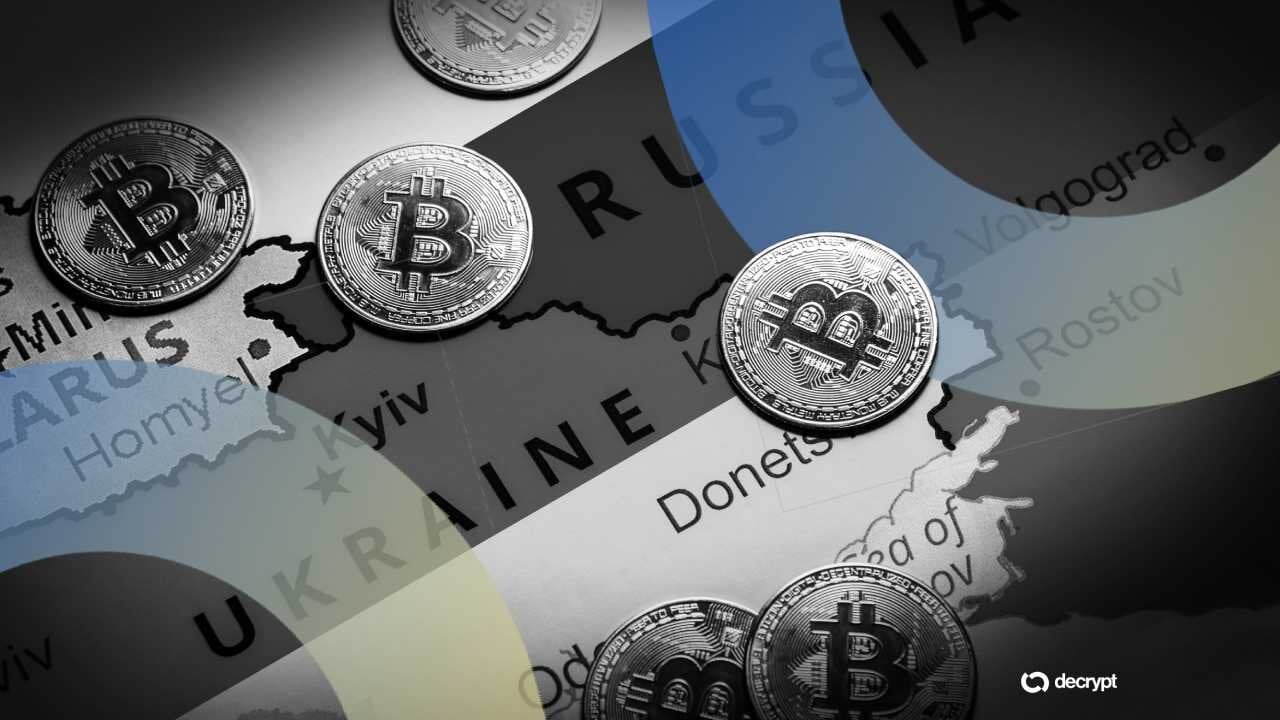
The Pragmatism of Sanctioned Nations
Russia is finally dropping the act. For years, the official stance on digital assets in Moscow was a tug-of-war between the central bank, which wanted a total ban, and the finance ministry, which saw the tax potential. But geopolitical reality has a way of forcing the hand of even the most stubborn bureaucrats. We are looking at a comprehensive crypto regulatory package that is currently two votes away from becoming the law of the land. It is a fascinating, if somewhat grim, blueprint for how a nation-state attempts to weaponize decentralization for survival while keeping its own citizens on a short leash.
As a builder, you should be paying attention not because you want to move to Moscow, but because this represents the first large-scale test case of crypto acting as a pure tool for international trade settlements under heavy external pressure. This isn't about "digital gold" or DeFi yield farming; it is about keeping the lights on when you've been cut off from the global banking system.
The Great Retail Squeeze
The first thing that jumps out in this legislation is the cap on retail investors. The proposed law limits regular Russian citizens to investing roughly $3,800 USD annually in crypto. For those of us in the West who complain about accredited investor laws, this is a sober reminder of what real restriction looks like. The logic here is simple: the Russian government doesn't want capital flight. They don't want their middle class dumping rubles for Bitcoin and sitting on it. They want control over the domestic money supply.
This creates a bifurcated market. On one hand, you have the common citizen who is essentially babysat by the state, allowed only a tiny taste of the digital asset market through licensed domestic exchanges. On the other hand, you have the industrial and corporate players who are being given a green light to use crypto for the heavy lifting of international commerce. It is a two-tier system that prioritizes the state's strategic needs over individual financial sovereignty.
Bypassing the SWIFT Wall
The meat of this law is the legal pathway it creates for Russian companies to pay foreign partners in cryptocurrency. Since the invasion of Ukraine and the subsequent disconnection from the SWIFT messaging system, Russian businesses have struggled to settle trades with even their friendly neighbors. You can't just send a wire transfer when the rails have been ripped up. Stablecoins and Bitcoin don't care about SWIFT.
This legislation effectively turns crypto into a sanctioned-trade buffer. By licensing specific infrastructure and exchanges, the Russian government is attempting to build a walled garden where they can monitor the flow of value out of the country while ensuring that physical goods—electronics, machinery, consumer products—can still flow in. For the crypto industry, this is the ultimate double-edged sword. It proves the utility of the technology for cross-border settlement, but it also paints a target on the back of any protocol or exchange that facilitates these moves.
The Exchange Licensing Problem
Under the new rules, crypto exchanges will have to be officially licensed by the state. This is a death knell for the wild west P2P markets that have thrived in Russia for the last decade. The government wants visibility into every transaction. If you are building tools in this space, you have to understand that "regulation" in this context isn't about protecting the consumer; it's about state visibility and tax extraction.
"True decentralization is built to be permissionless, but state-led adoption is always about permission."
We are seeing the emergence of a supervised crypto economy. The Russian central bank, which was once the biggest opponent of Bitcoin, is now likely to oversee these trials. They realized that they couldn't stop crypto, so they decided to institutionalize it. It is a pivot we have seen in other countries, and it is a pivot we will likely see more of as global trade fractures into competing blocs.
What This Means for Global Builders
If you are a founder building cross-border payment rails, Russia's move confirms your thesis but complicates your compliance. The narrative that crypto is "only for criminals" is being replaced by a much more complex geopolitical reality where crypto is a tool for statecraft. This will undoubtedly lead to more pressure from Western regulators to tighten KYC and regional blocking. The neutral ground that many builders hope for is shrinking fast.
We also have to consider the long-term impact on liquidity. If a significant portion of a country's trade starts moving through specific tokens or stablecoins to avoid sanctions, the volatility and regulatory heat on those specific assets will spike. We are entering an era of "geopolitical coins," where the asset you choose to build with carries the baggage of who else is using it for trade.
Closing the Gap
The final two votes for this law are largely seen as a formality. The Kremlin has signaled its support, and the economic necessity is too great to ignore. For the Russian people, this means a tightly regulated, capped, and monitored crypto experience. For the Russian state, it is a lifeline to the global market. And for the rest of us, it is a clear signal that the era of crypto as a peripheral curiosity is over.
The takeaway here is stark: Crypto is no longer just an alternative financial system; it is becoming a primary piece of infrastructure for nations that have been pushed to the edge of the traditional system. Whether you like the politics or not, the engineering reality is that a decentralized ledger is the most efficient way to bypass a centralized blockade. Russia is just the first major power to admit it out loud in their legal code.
The Founder's Takeaway
- Regulation in sanctioned regions is about ensuring state survival, not individual privacy.
- Retail caps of $3,800 indicate a fear of capital flight rather than a desire for consumer protection.
- The legitimization of crypto for international trade settlement by a G20 nation—even under these circumstances—will accelerate the development of alternative payment rails globally.
- Compliance teams need to be ready for a world where the "sanctioned user" isn't just a person, but an entire state-backed exchange infrastructure.
Read the original at Decrypt →