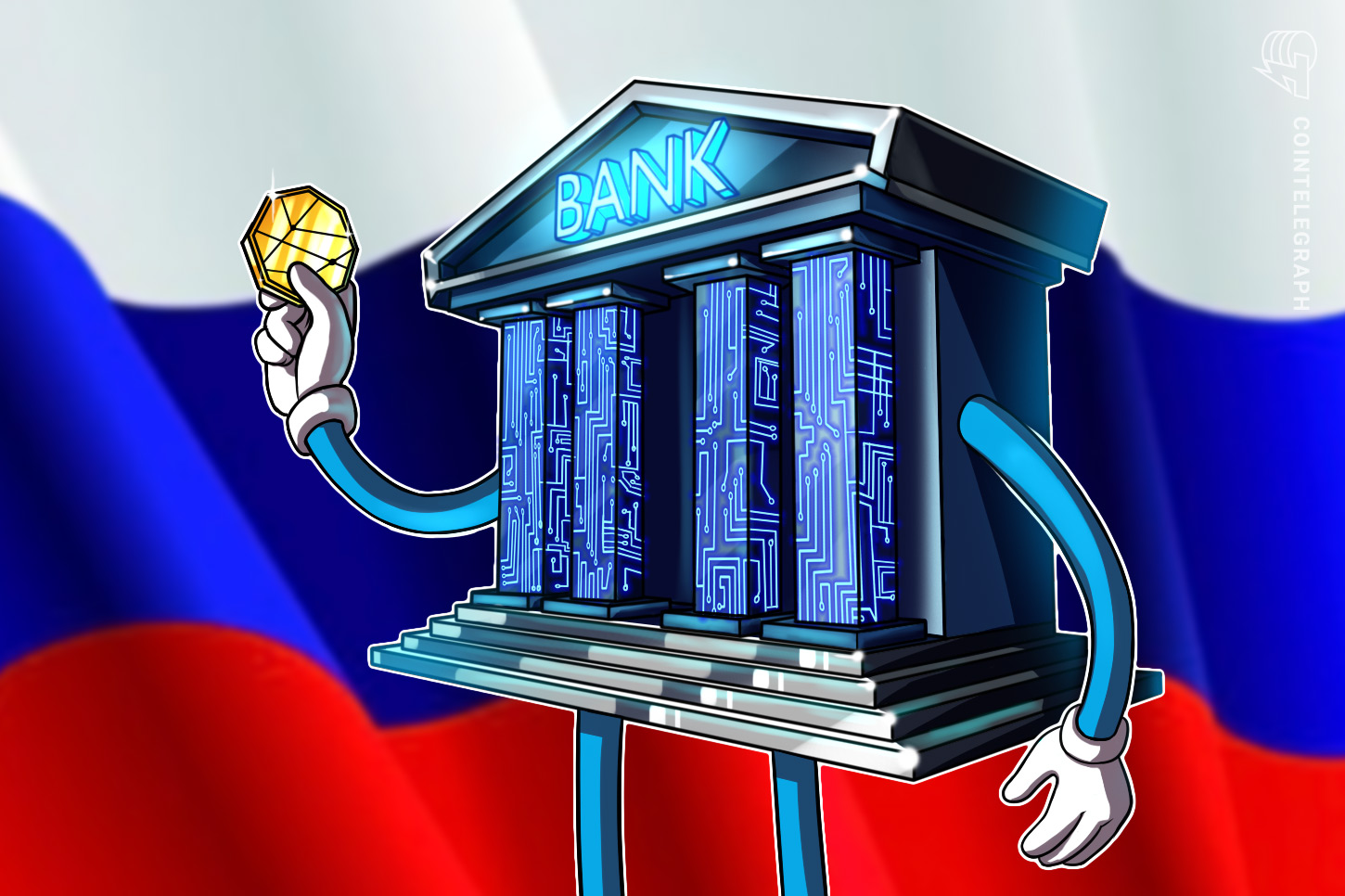
For years, the narrative out of Moscow regarding digital assets was one of total friction. We saw a constant cycle of proposed bans, central bank skepticism, and legal gray areas that made building anything official in the region a suicide mission for a founder. That just changed. Russia has officially registered its first batch of cryptocurrency exchanges and custodians under a new legislative framework. Most notably, Sberbank—the country's largest financial institution—is leading the charge with plans to roll out crypto products as early as December 1.
The Pivot from Prohibition to Infrastructure
This isn't a sudden love affair with decentralization. It is a pragmatic shift toward survival and control. For builders, the lesson here is simple: state-level adoption rarely happens because of ideological alignment; it happens when the old pipes stop working. Russia is looking at crypto not as a way to liberate its citizens, but as a technical workaround for cross-border settlements and a way to bring a massive shadow economy under the watchful eye of the state.
Sberbank joining the fray is the signal that matters. When the biggest bank in the country becomes the primary custodian, the "crypto" being offered is going to look a lot more like a traditional bank account and a lot less like a permissionless wallet. They are building a walled garden. If you are a founder looking at this market, you have to realize that the entrance fee is total transparency with the regulator. The days of the Russian Wild West in crypto are being replaced by a digital version of the traditional banking system.
What This Means for the Global Builder
When a major global power moves from "this is illegal" to "this is our state-sanctioned exchange," it changes the risk profile for everyone. We are seeing a bifurcation of the crypto world. On one side, you have the permissionless, decentralized protocols we all started this for. On the other, you have sovereign-linked infrastructure designed to mirror the existing financial order, just on a faster rail.
For developers, this creates a dilemma. Do you build for the institutional silos that now have legal clearance, or do you stay in the neutral zone? The Sberbank move suggests that institutional demand in these regions is massive, but the requirements for KYC and AML will be arguably stricter than what we see in the West. You aren't just building a dApp; you are building a reporting tool for a central bank.
The Custody War
The fact that custodians were the first to be registered tells you exactly where the government's priorities lie. They want to know where the private keys are. In a region where capital flight has been a major concern, controlling the exit and entry points is the only way the state allows these platforms to exist. This creates a massive opportunity for builders specializing in MPC (Multi-Party Computation) and institutional-grade security, but only if those builders are willing to play by the local rulebook.
- State-led adoption: This is top-down, not bottom-up.
- Settlement focus: The primary use case isn't retail trading; it's moving money where SWIFT can't.
- Banking integration: The line between a crypto exchange and a traditional bank is now non-existent in this jurisdiction.
The Skeptic’s View on December 1st
Sberbank’s December 1 deadline is aggressive. Launching a suite of crypto products for a massive user base requires more than just a legal green light; it requires a tech stack that can handle the volatility and the security threats unique to this space. As a founder, I’m watching the stability of these platforms. If they launch and immediately get hit by exploits or liquidity issues, it will set the narrative back years. However, if they succeed, they provide a blueprint for how other sanctioned or isolated economies will integrate digital assets.
We also have to talk about the "custodian" aspect. In the crypto world, we say "not your keys, not your coins." In the new Russian framework, that is a feature, not a bug. The state wants the keys. This is the ultimate test of whether crypto can retain its value proposition when the decentralization aspect is stripped away and replaced by a state-issued license. It becomes a more efficient database for the state, which is a far cry from the cypherpunk dream, but a very real reality for builders in 2024.
The move from Russia proves that even the most skeptical governments can't ignore the efficiency of blockchain for long, but they will always attempt to domesticate the technology before they deploy it.
Strategic Takeaways for Founders
If you are building in the infrastructure layer, you need to be thinking about geographic modularity. The tech you build for a permissionless environment might need a complete "compliance wrapper" to function in markets like this. We are moving toward a world of fragmented liquidity based on national borders.
Secondly, keep an eye on the assets being traded. It’s unlikely these exchanges will start with high-risk altcoins. They will likely focus on stablecoins and potentially a state-backed digital ruble integration. The play here is stability and settlement, not speculation. If you’re a founder, your pitch to these types of entities should be about reducing friction in trade, not providing "100x" returns for retail users.
The Bottom Line
Russia registering exchanges isn't a win for "crypto" in the way many think. It is a win for state-controlled digital finance. It legitimizes the technology while potentially strangling the ethos. For builders, it represents a massive new market with a very high cost of entry: your independence. Sberbank’s entry on December 1 will be the first real-world test of whether a legacy mega-bank can actually manage the complexities of a live crypto market under heavy international scrutiny.
Watch the flow of funds. If the volume on these new exchanges spikes, it tells us that the demand for crypto as a tool for international commerce is far higher than the demand for it as a store of value. As founders, we need to build for that utility, even if the regulatory environment makes us uncomfortable. The transition from the fringes to the center of national policy is never clean, and this is about as messy as it gets.
Read the original at Cointelegraph →