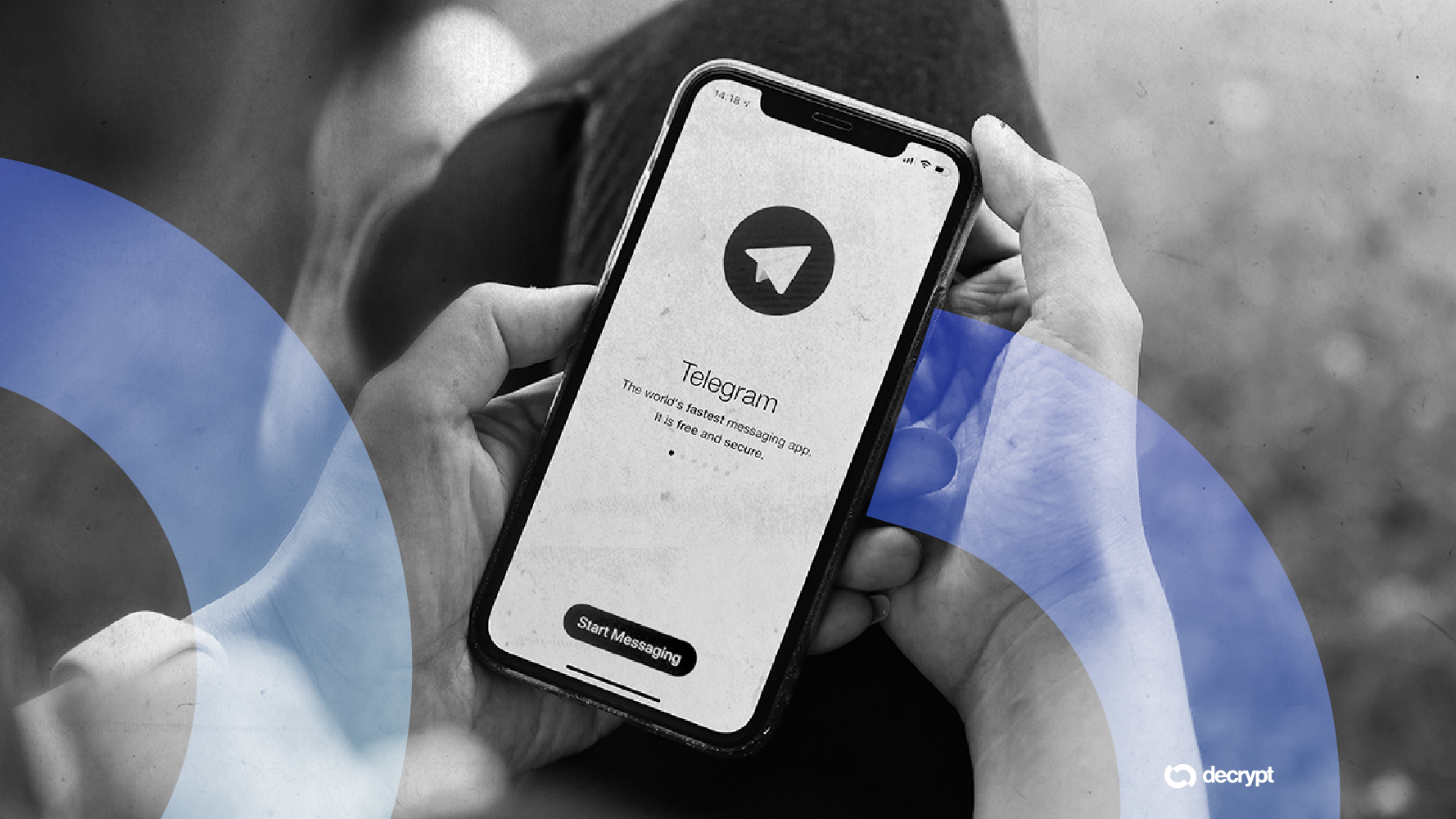
It was only a matter of time before the other shoe dropped for Pavel Durov. After his high-profile arrest in France, his home country of Russia has officially thrown its own hat into the ring. The Kremlin is now charging the Telegram founder with aiding terrorism, creating a bizarre scenario where a man once seen as a digital dissident is now being hunted by both Western democracies and the autocratic regime he originally fled.
The Irony of the Russian Charges
To understand why this matters, you have to look at the history. Durov left Russia years ago after refusing to hand over user data from his first major venture, VKontakte, to the FSB. He styled himself as a free-speech martyr, moving from country to country and eventually settling in Dubai to run Telegram as a bastion of private communication. For a long time, Russia tried to ban the app, failed, and then eventually gave up, with many government officials ironicially using the platform for their own communications.
Now, the narrative has shifted. By charging Durov with aiding terrorism, Russia is signaling that the era of tactical tolerance is over. This isn't just about crime; it's about control. When a state charges a platform founder with the actions of its users, they aren't just looking for a criminal—they are looking for a back door. Russia is effectively telling the world that if France gets to squeeze Durov for data, they want their turn at the table too.
A Founder Stuck in a Pincer Movement
For those of us building in the crypto and privacy space, this is a nightmare scenario. Durov is currently caught in a geopolitical pincer. On one side, you have the French authorities accusing him of complicity in drug trafficking and child pornography because of Telegram's lax moderation. On the other side, Russia is using the 'terrorism' label—the ultimate trump card for state intervention—to demand compliance.
Durov has previously described legal actions against him as a sad spectacle of a state afraid of its own people. That sentiment hasn't changed, but the pressure has intensified. Building a platform that prioritizes privacy used to be a noble, somewhat fringe pursuit. In 2024, it makes you a target for every superpower with an axe to grind. If you don't build a back door for the 'good guys,' the 'bad guys' will use your refusal as an excuse to shut you down.
The Problem with Neutrality
Telegram’s biggest selling point has always been its neutrality. It’s the town square where everyone from crypto degens to government dissidents to actual criminals hangs out. But as a founder, neutrality is a heavy burden to carry. The moment your platform reaches a certain scale, the concept of being a 'neutral pipe' disappears in the eyes of the law.
The Russian charges are particularly calculated. By labeling Telegram a tool for terrorism, the Kremlin is providing itself a legal framework to seize assets or further pressure Durov's associates within the country. It complicates his legal defense in Europe, too. If he cooperates with France to avoid prison, he looks like a Western asset to Russia. If he stays silent, he remains a target for both. There is no middle ground left for him to stand on.
What This Means for Builders
If you are building an encrypted messaging app, a decentralized finance protocol, or any tool that obscures identity, you need to be watching this case with a healthy dose of skepticism. The 'Durov Defense'—the idea that a founder isn't responsible for the content of the network—is being dismantled in real-time. We are moving toward a world where 'technical inability' to moderate is no longer accepted as a legal excuse.
- Jurisdiction is everything: Durov thought having multiple passports and a Dubai base would protect him. It didn't. Physical presence still dictates which laws apply to you.
- The Backdoor Trap: Governments don't want to stop crime; they want the keys. Terrorism and child safety are the moral shields used to demand those keys.
- Scalability brings scrutiny: You can stay under the radar for a long time, but once you become essential infrastructure, the state will attempt to nationalize your influence.
The Spectacle of Fear
Durov is right about one thing: these cases are often a spectacle born of fear. Governments realize they are losing their monopoly on information. Telegram has become more influential than many state-run media outlets, especially in Eastern Europe and the Middle East. When a single founder holds the keys to the world's most popular uncensored communication tool, the state views that as an existential threat.
Russia's decision to charge him now, while he is already vulnerable in French custody, is a transparent attempt to re-assert dominance over a former citizen. It’s a move intended to remind every other Russian tech founder that no matter how far you run or how many billions you make, the state has a long memory and even longer reach.
The Reality Check
We shouldn't canonize Durov just yet. Telegram has plenty of flaws, and its 'encryption by default' claims have been criticized by security experts for years. However, the precedent being set here is dangerous. If the founder of a platform can be held criminally liable for the worst 0.01% of his users, then the incentive to build open, private tools evaporates overnight.
The takeaway for the rest of us is clear: the era of the 'untouchable' tech founder is over. Whether it's the SEC coming for DeFi or the Kremlin coming for Telegram, the message is the same. The state is no longer content to sit on the sidelines of the digital revolution. They want to be the ones calling the plays, and they will use every tool in the criminal code—from money laundering to terrorism—to ensure they get what they want.
Stay skeptical, watch your opsec, and don't assume your passport will save you when the giants start fighting over your data.
Read the original at Decrypt →