We have seen this cycle repeat so many times it is starting to feel like a scripted routine. A new platform launches with a name meant to evoke nostalgia or rebellion, promises a fair launch for the people, and then hits a wall because of the one thing code can never truly fix: human greed. This time, the casualty is Vlad.fun.
The Shutdown of Vlad.fun
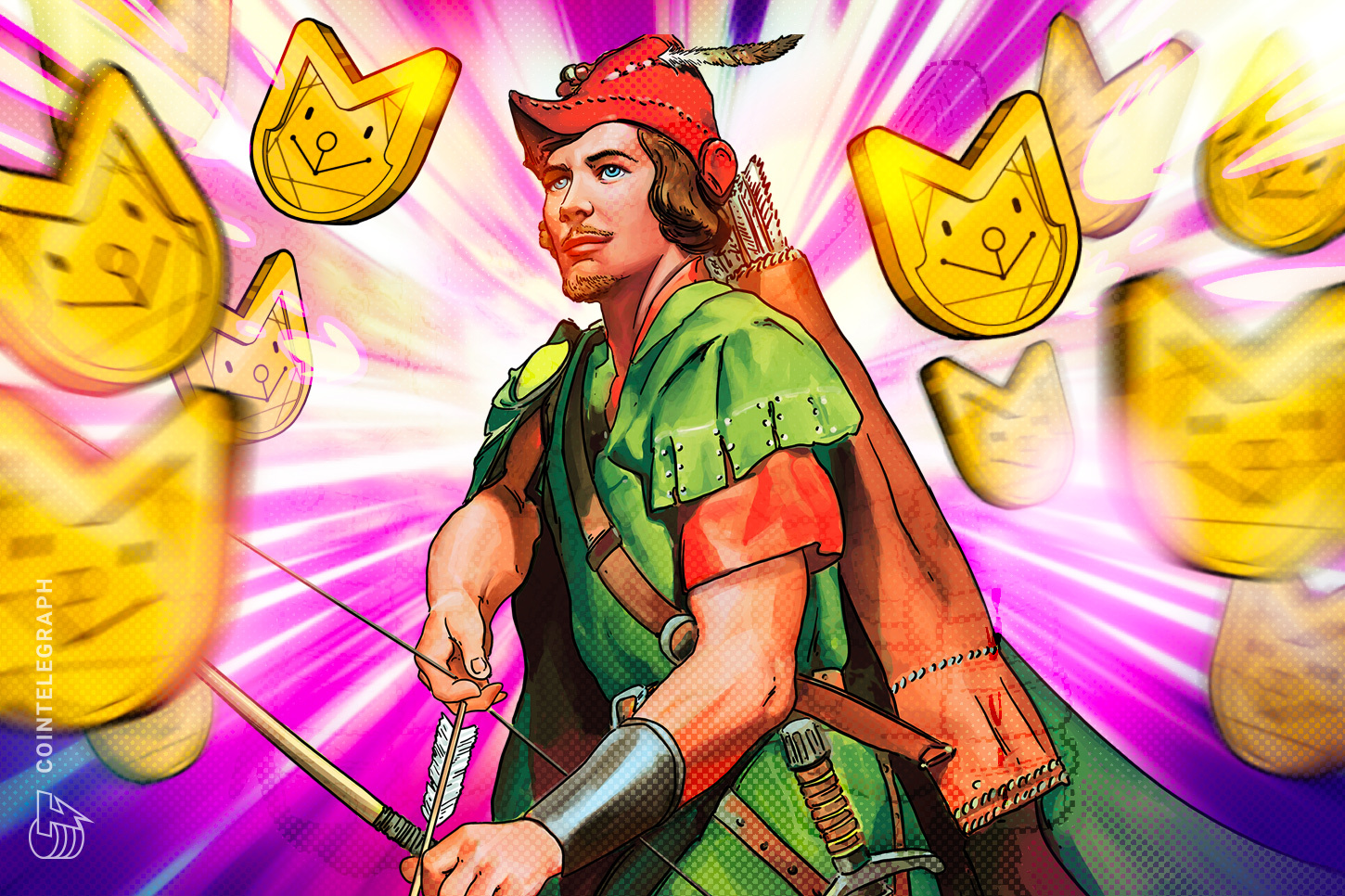
Vlad.fun, a launchpad for memecoins built on the Robinhood Chain, recently announced it is suspending operations indefinitely. The reason given was a serious internal integrity issue. That is corporate-speak for somebody on the inside allegedly breaking the rules or mishandling the mechanics of the platform. While the team has stayed relatively quiet on the specifics, the shutdown serves as a cold shower for anyone who thought the memecoin mania was entering a safer, more institutional phase.
For those tracking the movement of liquidity, Vlad.fun was supposed to be the entry point for retail-friendly memecoin speculation on a chain associated with one of the biggest names in fintech. It was meant to follow the successful blueprints of platforms like Pump.fun on Solana. Instead, it has become a cautionary tale about why builders need more than just smart contracts to survive in this market.
The Integrity Gap
In the world of decentralized finance, integrity is the only currency that actually matters. When a platform claims to provide a level playing field but then admits its own team might have compromised that fairness, the damage is often permanent. Users who put their capital at risk on these launchpads do so under the assumption that the house is at least following its own disclosed rules.
When we look at the phrase internal integrity issue, it usually points toward one of three things: front-running users, misappropriating fee revenue, or internal manipulation of token launches. Regardless of which one it was in this instance, the outcome is the same. The trust is gone. For a builder, rebuilding that trust is ten times harder than building the original app.
Why Builders Should Care
If you are building in the crypto space right now, you might be tempted to look at the memecoin craze as easy money. You see the volume, the fees, and the sheer number of users, and you think all you need is a launchpad and some clever marketing. This incident with Vlad.fun shows that the operational overhead of running a fair system is much higher than the technical overhead.
The crypto industry has a bad habit of hiding behind technical decentralization while maintaining centralized control over the project's actual keys, wallets, and decision-making processes. If your internal team members can singlehandedly compromise the integrity of the platform, you haven't built a decentralized protocol; you have built a fragile web app with a blockchain backend.
- Operational Security Matters: Your biggest threat is rarely an external hacker; it is usually someone with access to your internal tools.
- Transparency is Non-Negotiable: If you hit a snag, you have to be ready to show the receipts. Broad statements about integrity without specific details often lead to worse speculation.
- The Brand Burden: When you name your project after a specific ecosystem or personality—like Vlad from Robinhood—you are borrowing credibility you didn't earn. When you fail, you tarnish that brand along with your own.
The Chain Reaction
What makes this particularly interesting is the venue. The Robinhood Chain was supposed to represent a bridge between the traditional retail investor and the on-chain world. When these investors encounter these kinds of internal issues right out of the gate, it reinforces every negative stereotype they have heard about crypto being a lawless frontier.
For the broader market, this is a sign that the memecoin infrastructure layer is still incredibly young and unstable. We are watching the evolution of capital formation in real-time, but we are also seeing the same old mistakes that led to the collapse of the early ICO era. Greed is a feature of these markets, but internal misconduct is a bug that kills the host.
The biggest risk to any crypto project is not the bear market or the regulators—it is the people inside the room when the doors are closed.
Moving Forward From Here
So, where does this leave the users who were using the platform? Most are left waiting for updates that may never come or are moving their liquidity to the next shiny object. But for the serious builders watching this unfold, there is a clear lesson: you cannot outsource your ethics to a smart contract.
If you want to build something that lasts longer than a week-long hype cycle, you have to implement rigorous internal controls. This means multi-sig setups that actually require diverse signatories, public audits of internal wallets, and a culture that prioritizes the long-term health of the ecosystem over short-term fee extraction.
The Sceptical Take
I am always skeptical when a platform halts for integrity reasons without providing a post-mortem immediately. It usually suggests that they are still trying to figure out how much was lost or how to frame the narrative to avoid legal repercussions. In this industry, we talk a lot about code is law, but we often act like humans are above the law.
Vlad.fun might come back, or it might fade into the long list of failed experiments on the blockchain. Regardless of its fate, this is a reminder that the memecoin sector is currently a house of cards. Many of these projects are being rushed to market to capture a fleeting window of attention, and quality control is often the first thing to be sacrificed.
We need to stop celebrating every new launchpad as a revolution and start asking harder questions about the people running them. If a platform can be brought down by a few internal actors, it was never ready for prime time in the first place. Builders, take note: if you can't trust your own team, don't expect the market to trust your product.
Read the original at Cointelegraph →