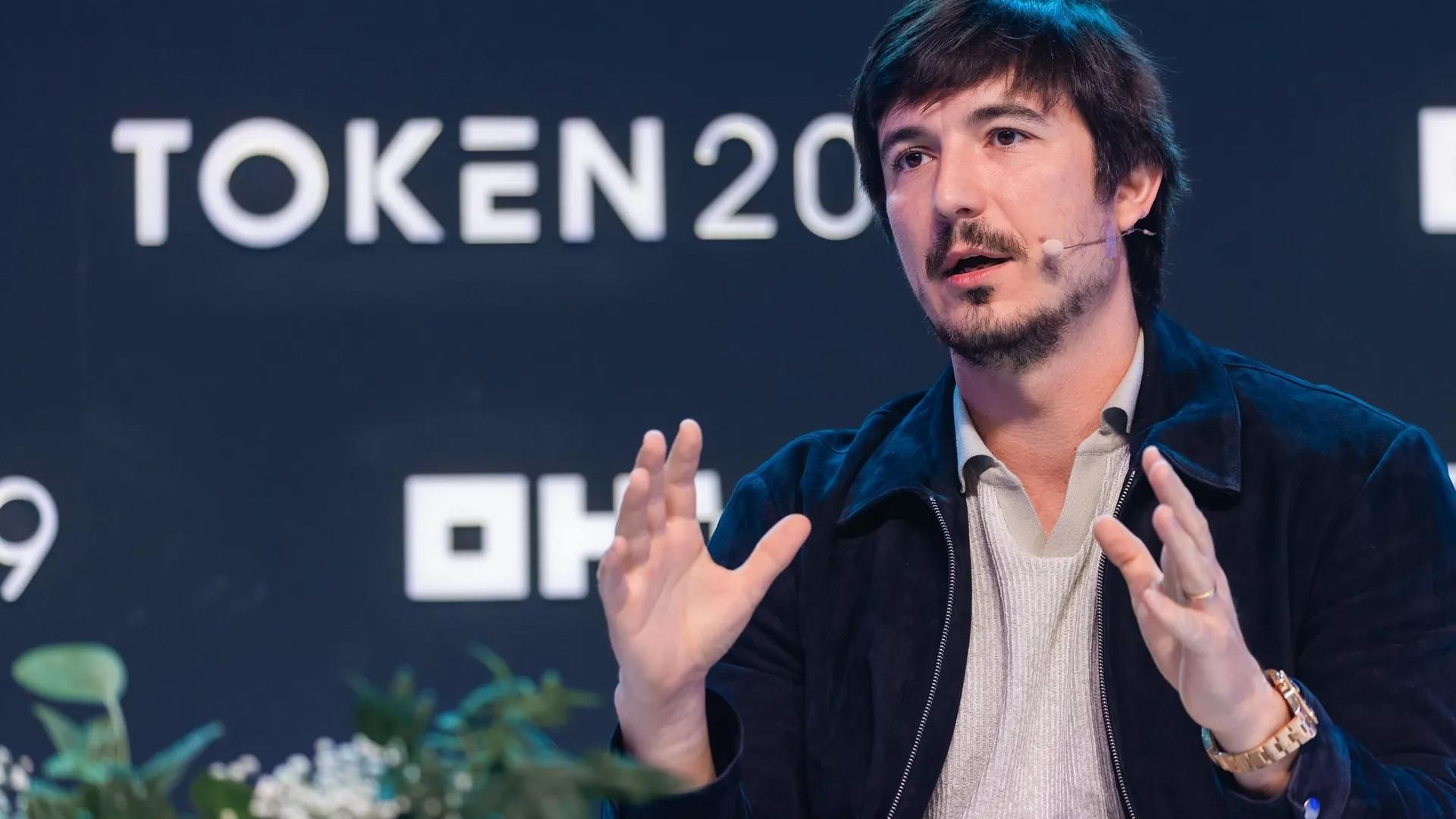
We have reached a point in the market cycle where the infrastructure of our public discourse is actively working against us. It is not just about the volatility of the assets anymore; it is about the fragility of the platforms we use to discuss them. The recent compromise of Robinhood CEO Vlad Tenev’s X account is a perfect, if painful, case study in why the current intersection of social media and crypto is becoming a minefield for founders and retail users alike.
The Anatomy of a High-Profile Breach
The incident was straightforward and followed a blueprint we have seen dozens of times over the last year. A rogue post appeared on Vlad Tenev’s verified account, pushing a ticker called $VLAD on the Solana network. The pitch was simple and predictably deceptive: the token was supposedly an official Robinhood product and would be listed on the trading platform immediately. To any seasoned builder, this screamed scam. To a retail trader looking for the next moonshot, it looked like a life-changing tip from the top.
The post stayed up long enough to create a momentary spike in activity before being scrubbed. While the dollar amounts lost to this specific exploit are still being tallied, the damage to institutional trust is much harder to quantify. When the person running one of the most popular onboarding ramps in finance loses control of their voice, the ripple effect goes beyond a single bad trade.
The Problem with the 'Memecoin Frenzy' Meta
The current market environment has turned social media accounts into high-value targets. We are living through a memecoin frenzy where speed is prioritized over due diligence. Scammers know that if they can take over a verified account for even five minutes, they can drain thousands of dollars from users who are conditioned to 'buy first and ask questions later.'
As builders, we have to recognize that this behavior is a bug, not a feature. The speculative nature of the $VLAD token attempt relies heavily on the 'listing' narrative. The scammers didn't just promote a coin; they promoted the idea of insider access. They leveraged the exact thing that makes Robinhood popular—democratized access to markets—and turned it into a weapon.
The Platform Security Crisis
Why does this keep happening? X, formerly Twitter, has become the town square for crypto, but it remains one of the weakest links in the security chain. Whether it is through SIM swapping, phishing, or a lapse in internal security protocols at the platform level, high-profile figures are consistently being misrepresented.
For a founder, this is a nightmare scenario. You can spend years building a brand based on transparency and trust, only to have it compromised in seconds because of a security flaw you don't even control. This incident highlights a massive gap between the security requirements of financial leaders and the actual security capabilities of the social platforms they use. If a CEO of a publicly traded financial company can have their account hijacked to shill a rug pull, what does that say about the safety of the average user?
What This Means for Founders and Builders
If you are building in this space, you need to take three specific lessons away from the Vlad Tenev situation. First, your personal brand is part of your company’s attack surface. You cannot treat your social media presence as a casual extension of your life; it is a live piece of your infrastructure that requires the same level of security as your private keys.
Second, we need to move away from the 'announcement via tweet' culture as the sole source of truth. The fact that the market reacts so violently to a single post is a systemic weakness. Builders should look closer at decentralized identity solutions or on-chain verification methods that ensure a message actually originated from the source, rather than just relying on a blue checkmark that can be bought or bypassed.
Third, we have to start building more skepticism into our products. If your UI makes it easy to jump from a social media link to a trade without any friction or warnings, you are inadvertently helping the scammers. Responsible product design in the AI and crypto era must involve slowing the user down when high-risk indicators are present.
The Reality of the $VLAD Token
Let's be clear about what happened with $VLAD. It was an attempt to exploit the Solana ecosystem's current liquidity and the cultural relevance of the Robinhood brand. It wasn't clever; it was opportunistic. It worked because it hit the three points of the scammer's triangle: urgency, authority, and greed.
When users see a CEO post about a token, the 'authority' is checked. When they are told it is about to be listed, the 'urgency' is checked. And the 'greed' is inherent to the memecoin market. Breaking this loop is not just the job of law enforcement; it's the job of the people building the next generation of financial tools.
Closing the Trust Gap
The irony here is that Robinhood has spent the better part of the last two years trying to distance itself from the 'casino' reputation it gained during the meme stock era. They have been adding sophisticated tools and expanding into crypto with a more regulated, mature approach. A hack like this drags them right back into the mud.
For the crypto industry to move past this 'wild west' phase, we need more than just better code; we need a better culture of verification. We should expect more from our social platforms, but as builders, we shouldn't wait for them to fix it. We need to normalize multi-channel verification for any major news and stop treating social media as a canonical source for financial movements.
The biggest threat to your company isn't always a bug in your smart contract; sometimes it's a compromised login for an app you don't even own.
The Tenev breach is a reminder that in the world of crypto and AI, the human factor remains the most vulnerable point of failure. If we want to build a financial system that the world can actually trust, we have to stop allowing 280 characters to dictate the movement of millions of dollars without any checks or balances.
Read the original at CoinDesk →