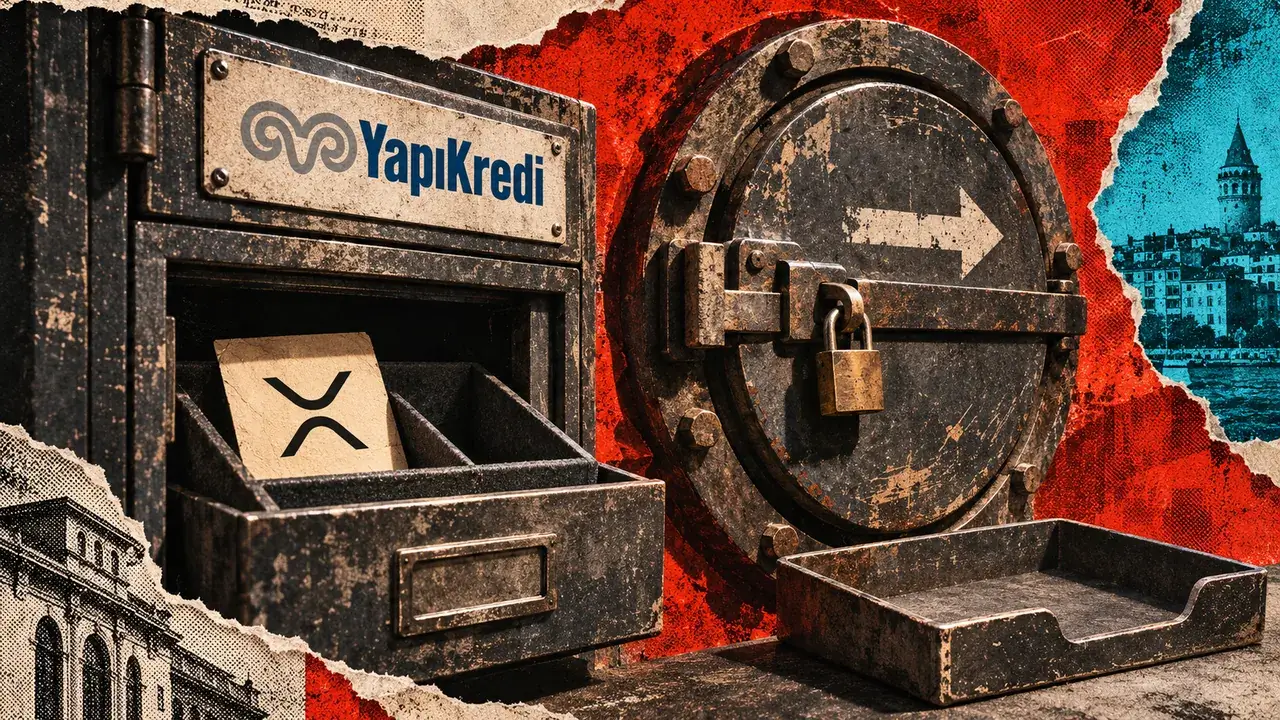
We have reached the point in the market cycle where the word partnership is tossed around like loose change. Ripple, a company that has spent years navigating the legal trenches of the United States, is once again looking abroad to find the traction that remains elusive at home. This time, the destination is Turkey, specifically through a deal with Yapi Kredi, one of the nation's most established private banks. The headline sounds great for the marketing team, but for those of us building in this space, the reality is more nuanced.
The Custody Play vs. The Liquidity Dream
Ripple is deploying its custody software within Yapi Kredi. To be clear, this is a technology play first. The bank is essentially using Ripple's vaulting infrastructure to manage digital assets. This is an important distinction for founders to understand. Having a bank hold assets using your software is a win for enterprise SaaS metrics, but it does not automatically mean the local population is suddenly transacting in XRP. As of right now, there is no confirmed, public bridge that allows Turkish lira to flow directly into withdrawable XRP within this specific banking environment.
For builders, this highlights a recurring theme in the institutional crypto space: the gap between custody and utility. Custody is the safe, regulatory-friendly entry point. It allows banks to tell their board they are innovating without actually exposing their balance sheets to the volatility of on-chain movements. But for the crypto ecosystem to thrive, we need more than just digital storage units. We need velocity.
Why Turkey Matters for Crypto Distribution
If you are wondering why Ripple is focusing on Turkey, look no further than the local economy. Turkey has consistently ranked high in global crypto adoption indexes, primarily because the Lira has been a volatile mess. When your local currency loses value by the week, the hurdle for moving into digital assets becomes much lower. It stops being a speculative gamble and starts being a survival strategy.
Ripple’s move into this market is tactical. By embedding their custody tech into a major local player like Yapi Kredi, they are positioning themselves at the top of the funnel. If and when the regulatory environment allows for broader retail or institutional trading, Ripple will already be the plumbing. As a founder, this is a lesson in patience. Sometimes you have to install the pipes long before you are allowed to turn on the water.
The Technical Integration Hurdle
Integrating with a legacy bank is not like building a DeFi protocol on a weekend. These are systems built on decades of technical debt, wrapped in layers of compliance. When Ripple says their software is deployed, it means they have successfully navigated the security audits, the latency requirements, and the bureaucratic red tape that usually kills smaller startups.
This is where Ripple actually deserves some credit. They have become the suit-and-tie version of crypto. They speak the language of bankers. For builders looking to sell to enterprises, Ripple’s trajectory is a case study in how to compromise enough to be accepted without losing your core product identity. You might hate the centralization, but you can't ignore the footprint.
What This Means for Developers
If you are developing applications that rely on cross-border payments or institutional liquidity, this partnership is a signal that the infrastructure is maturing. However, do not mistake infrastructure for adoption. We have seen many custody deals in the past that resulted in nothing more than a few press releases and a stagnant dashboard.
The real opportunity here for builders is the secondary layer. If Yapi Kredi is holding the assets, who is building the consumer-facing apps that leverage that custody? Who is building the B2B payment rails that sit on top of this vault? The plumbing is being laid, but the faucets are still missing. We need tools that make it easy for small businesses in Turkey to use these institutional rails without needing a degree in cryptography.
The goal isn't just to have a bank hold your keys; it's to have the bank become invisible in the transaction process.
The Skeptic's View on XRP Adoption
We should be honest about the XRP token itself. Just because a bank uses Ripple software does not mean they are using XRP for settlement. Ripple has spent years trying to decouple the two in the eyes of regulators, but they are also trying to marry them in the eyes of investors. In Turkey, the use of XRP as a bridge currency for the Lira would be a massive proof-of-concept. But until we see actual volume moving through ODL (On-Demand Liquidity) channels in Istanbul, this is just a software sale.
Founders should watch the volume, not the headlines. If the Lira-to-XRP corridor opens up and shows consistent liquidity, that is your green light to start building localized payment solutions. If it remains a closed-loop custody solution, it’s just another enterprise database with a fancy name.
The Founder's Takeaway
The Turkey deal is a reminder that the world is much larger than the SEC's jurisdiction. While the U.S. remains bogged down in definitions, the rest of the world is building the foundation for the next decade of finance. Ripple is playing the long game here, focusing on the regions where the pain points of traditional finance are most acute.
For those of us in the trenches, the takeaway is simple: focus on the pain. Turkey has a currency problem and a high tech-literacy rate. Ripple is providing a solution to the banks. Your job is to provide the solution for the people who will eventually use those banks. Keep your eyes on the bridge between the Lira and the ledger. That is where the real value will be captured, and it won't happen through a press release.
Read the original at CryptoSlate →