The Lame Duck Tax Dash
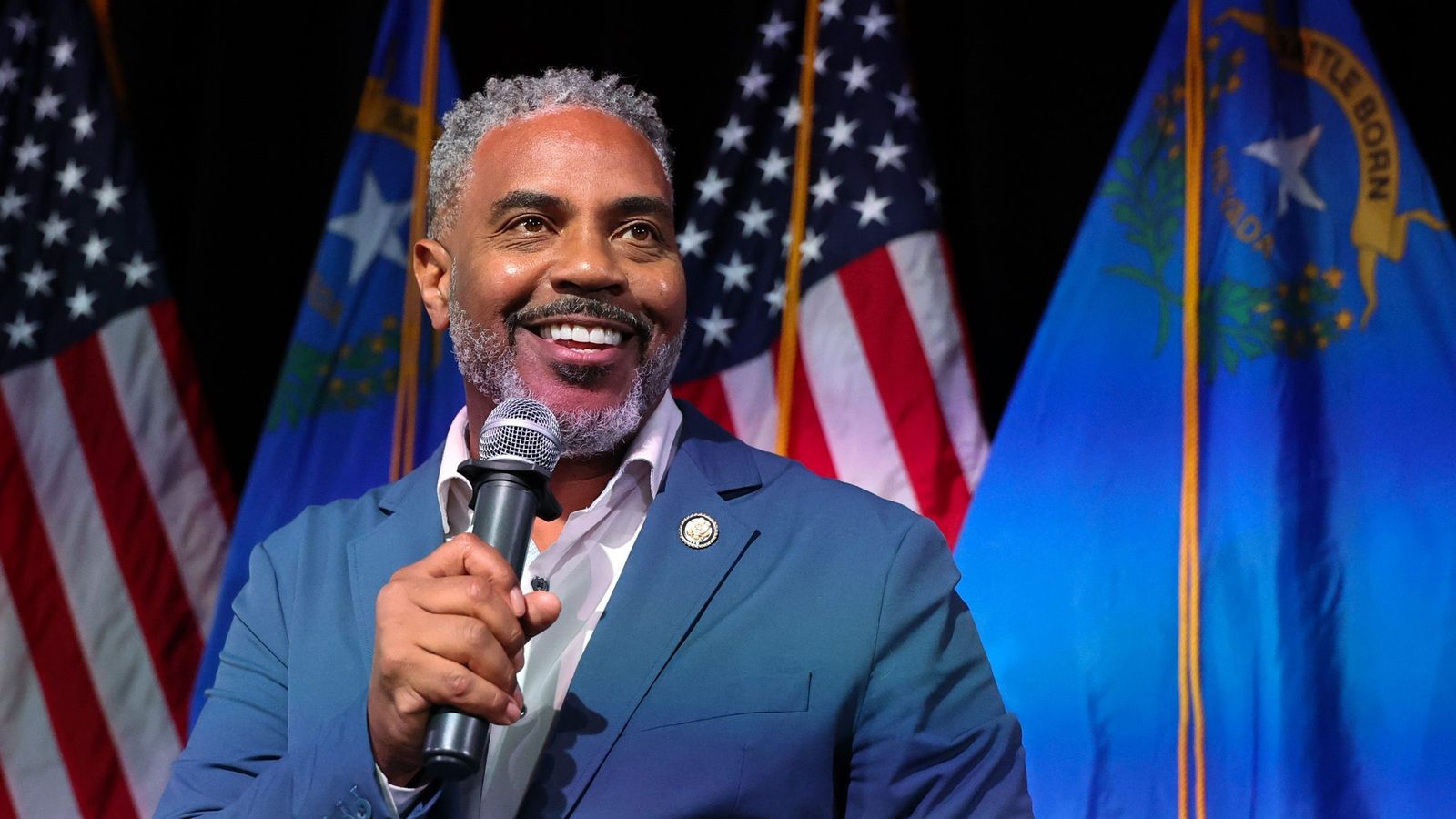
In the final weeks of a congressional session, things usually go one of two ways: absolute gridlock or a frantic scramble to pass common-sense bills that have been sitting in the corner gathering dust. Right now, Representative Steven Horsford is signaling that a bipartisan crypto tax bill might actually have a path to the House floor before the clock runs out on this Congress. If you have been building in this space for more than a week, you know that the tax reporting requirements for digital assets are currently a disaster of ambiguity and overreach. Seeing a lawmaker push for clarity during a lame-duck session is a rare moment of practical governance.
This is not just another empty political promise. The push is focused on fixing the messy language around broker requirements and reporting thresholds that have plagued developers since the Infrastructure Investment and Jobs Act was signed. For builders, this is about more than just filing forms; it is about whether a software engineer writing code for a decentralized protocol can be legally classified as a financial broker. That distinction is the difference between building a product and facing a compliance nightmare that no startup can survive.
Why This Matters for Technical Founders
The core issue here is that the current rules treat crypto like a monolithic asset class, ignoring the technical nuances of how decentralized finance actually functions. If a developer who never touches user funds is forced to issue 1099 forms, the industry essentially breaks. Horsford and his colleagues are looking for an opening to pass language that aligns crypto tax reporting more closely with traditional finance, without the baggage of trying to track every single atomic swap as if it were a high-yield savings account withdrawal.
For those of us on the building side, the status quo is a massive tax on innovation. You spend more on tax attorneys than you do on your AWS bill. A legislative fix that creates a de minimis exemption—meaning you don't have to report every time you buy a cup of coffee with a stablecoin—would be the first real sign that Washington understands utility over speculation. It is about reducing the friction of using these tools in the real world.
The Bipartisan Mirage?
We have heard about bipartisan support before, and usually, it ends in a stalemate. However, Horsford's optimism stems from the fact that this is not a sweeping policy overhaul like FIT21. It is a targeted tax fix. In the world of D.C. politics, technical fixes are often easier to slip into year-end spending packages because they are viewed as housekeeping rather than a radical shift in power. If this bill gains momentum, it suggests a growing realization that you cannot regulate technology by forcing it into a 1970s-era tax reporting box.
The skepticism comes in when you look at the calendar. A lame-duck session is a sprint. While Horsford sees an opening, the reality is that crypto tax reform is competing for oxygen with dozens of other high-priority issues. If this fails to move now, we are looking at a complete reset in the next Congress, where the entire legislative process starts from zero. That is a year of uncertainty that builders simply cannot afford.
The Compliance Burden of Decentralization
One of the biggest hurdles for crypto startups is the sheer impossibility of compliance under current definitions. If you are building a non-custodial wallet, you don't have the data required to report your users' transactions to the IRS. You don't know who they are, and you don't have their Social Security numbers. The law, as it stands, asks developers to do the impossible. A legislative adjustment that clarifies who qualifies as a broker is the only way to protect the privacy-preserving nature of decentralized tech while still satisfying the government's need for tax revenue.
If this bill passes the House, it serves as a massive de-risking event for VCs and early-stage founders. It signals that the government is willing to distinguish between a centralized exchange like Coinbase and a solo developer building a smart contract. That distinction is everything. Without it, we are essentially telling the next generation of engineers that they should build their protocols anywhere but here.
What Builders Should Watch For
- The Definition of a Broker: If the bill moves, does it explicitly exempt software developers and node operators? This is the line in the sand.
- Thresholds for Reporting: Look for a move toward a standard dollar amount before reporting is required. Small transactions should not trigger massive paperwork.
- The Senate Response: Even if it clears the House, the Senate is a different beast. Watch for whether this gets attached to a broader funding bill.
A Founders Takeaway
We shouldn't get our hopes up too high just yet, but Horsford's push is a signal that the pressure from the industry is finally hitting the right desks. The message is clear: we aren't asking for a tax-free haven; we are asking for rules that are actually possible to follow. If you are a founder, keep your eye on the House floor over the next few weeks. If this passes, the cost of doing business in the U.S. just dropped significantly. If it fails, prepare for another year of navigating the gray market of regulatory uncertainty. At the end of the day, builders need clear lines, and this might be the first time in years we actually get a few.
Read the original at The Block →