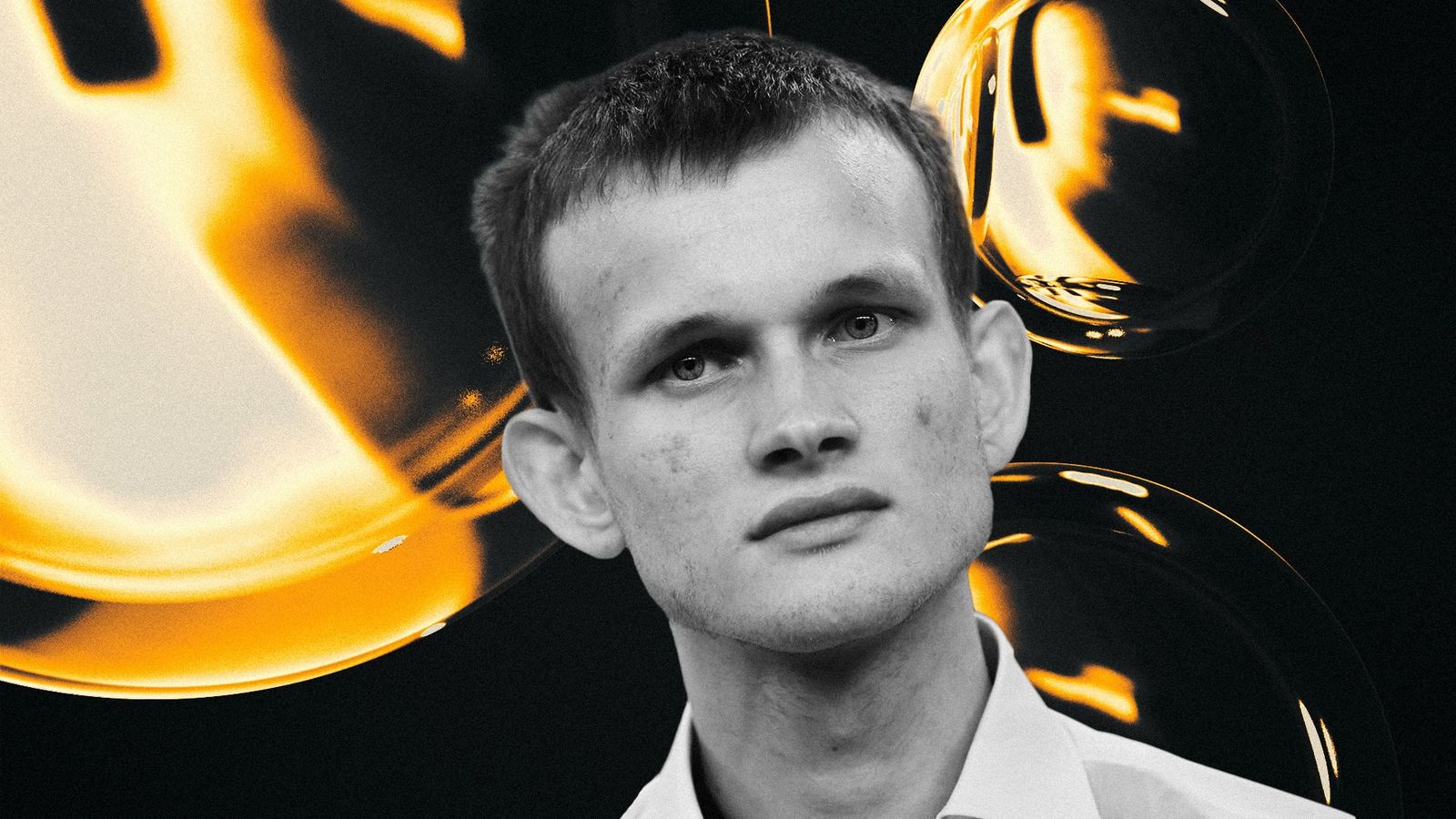
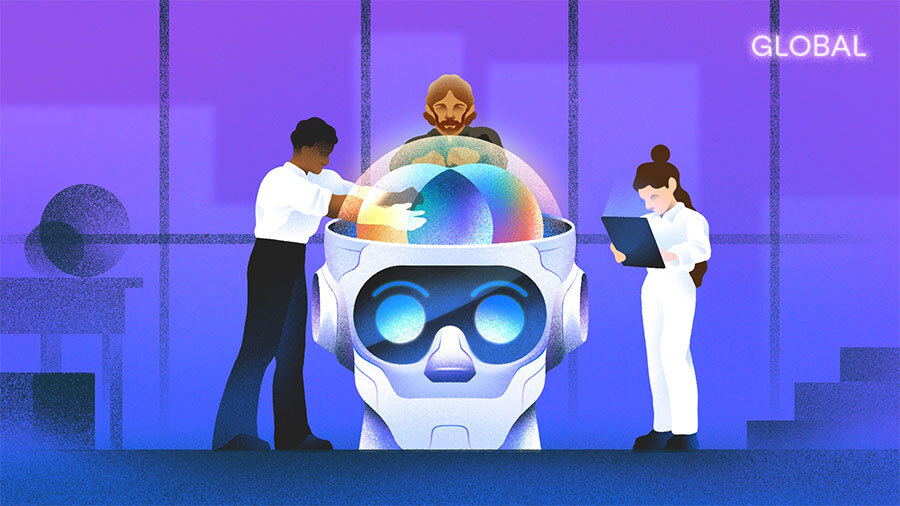
For years, the industry has defined Ethereum by its blocks. We talk about gas fees, transaction speeds, and the latest rollup. But if you look at the recent roadmap updates from Vitalik Buterin, he’s trying to steer the ship away from that narrow definition. He recently claimed that Ethereum is no longer just a blockchain. For those of us building in the trenches, this isn’t just marketing fluff; it’s a fundamental shift in how the network expects to function by the year 2030.
The End of the Monolith
The core of Vitalik’s vision is the transition from a single, recognizable chain into a fractured but functional ecosystem of Layer 2 solutions. In the early days, we built on Ethereum because that’s where the liquidity was. You dealt with the high fees because you wanted the security of the mainnet. That era is essentially over. By 2030, the mainnet will likely be a silent background layer, acting as a supreme court for data while users interact exclusively with execution layers.
For a founder, this changes the priority list. You aren't just picking a chain anymore; you are picking a sub-culture and a specific technical stack that inherits its trust from the base layer. The challenge here is fragmentation. If Ethereum stops feeling like a single blockchain, it risks losing the cohesive user experience that made it the market leader. Vitalik knows this, which is why the 2030 roadmap leans so heavily on cross-chain interoperability.
Privacy and Personal Identity
One of the more skeptical takes I have on the current state of crypto is how we handle user data. We’ve spent a decade putting everything on a public ledger, which is a privacy nightmare for anyone building real-world applications. The new roadmap places a significant emphasis on zero-knowledge proofs (Zk-proofs) not just for scaling, but for identity.
Vitalik is pushing for a world where your Ethereum address isn't just a list of your trades, but a portal to a private identity. This moves Ethereum into the realm of a decentralized operating system rather than a financial ledger. If you can prove you are a human, or that you have a certain balance, without revealing your entire history, the barrier to entry for mainstream apps drops significantly. As builders, we should be looking at how Zk-tech can be integrated now, rather than waiting for 2029 to catch up.
The Node Democratization Problem
There is a constant tension in blockchain between performance and decentralization. If you make the blocks too big or the requirements too high, only big data centers can run nodes. Vitalik’s 2030 vision addresses this through "statelessness." The goal is to allow a mobile phone or a basic laptop to verify the chain.
This is a founder-perspective win. If the cost of participating in the network stays low, the network stays resilient. We’ve seen other high-performance chains struggle with outages or centralization because their validator sets are so small. Ethereum is choosing the harder, slower path of technical optimization to ensure that even as it stops being "just a blockchain," it doesn't become a centralized cloud service.
Building for the 2030 Reality
So, what does this actually mean for those of us writing code or raising capital today? It means the "killer app" probably won't be a DeFi fork. It will be something that leverages the ecosystem's new breadth. We are looking at a future where decentralized social media, private voting, and complex supply chain management are viable because the underlying architecture handles the heavy lifting of privacy and cost.
However, we have to be honest about the risks. A roadmap that extends to 2030 is an eternity in this space. While Vitalik is mapping out a sophisticated multi-layered future, competitors are building simpler, faster alternatives that might capture the market before Ethereum finishes its transformation. The pivot from "blockchain" to "ecosystem" is a sign of maturity, but it’s also a sign of complexity. Complexity is often the enemy of the developer experience.
The Takeaway for Founders
- Ignore the Mainnet: Stop worrying about L1 gas. Build for the L2s that are successfully implementing Zk-tech, as that is where the 2030 vision is focused.
- Identity is the New Frontier: Look past tokens. The next wave of value will be in how we manage decentralized identity without compromising privacy.
- Prepare for Fragmentation: Your users shouldn't have to care which rollup they are on. If your app requires the user to understand bridges, you’ve already lost.
Ethereum is trying to grow up. It’s moving away from the "world computer" trope and toward a decentralized infrastructure layer that is almost invisible to the end user. It’s an ambitious bet, and while the technical path is clear, the market's patience is not guaranteed. As builders, our job is to use these tools to create something people actually need, regardless of what we call the underlying tech.
Read the original at The Block →