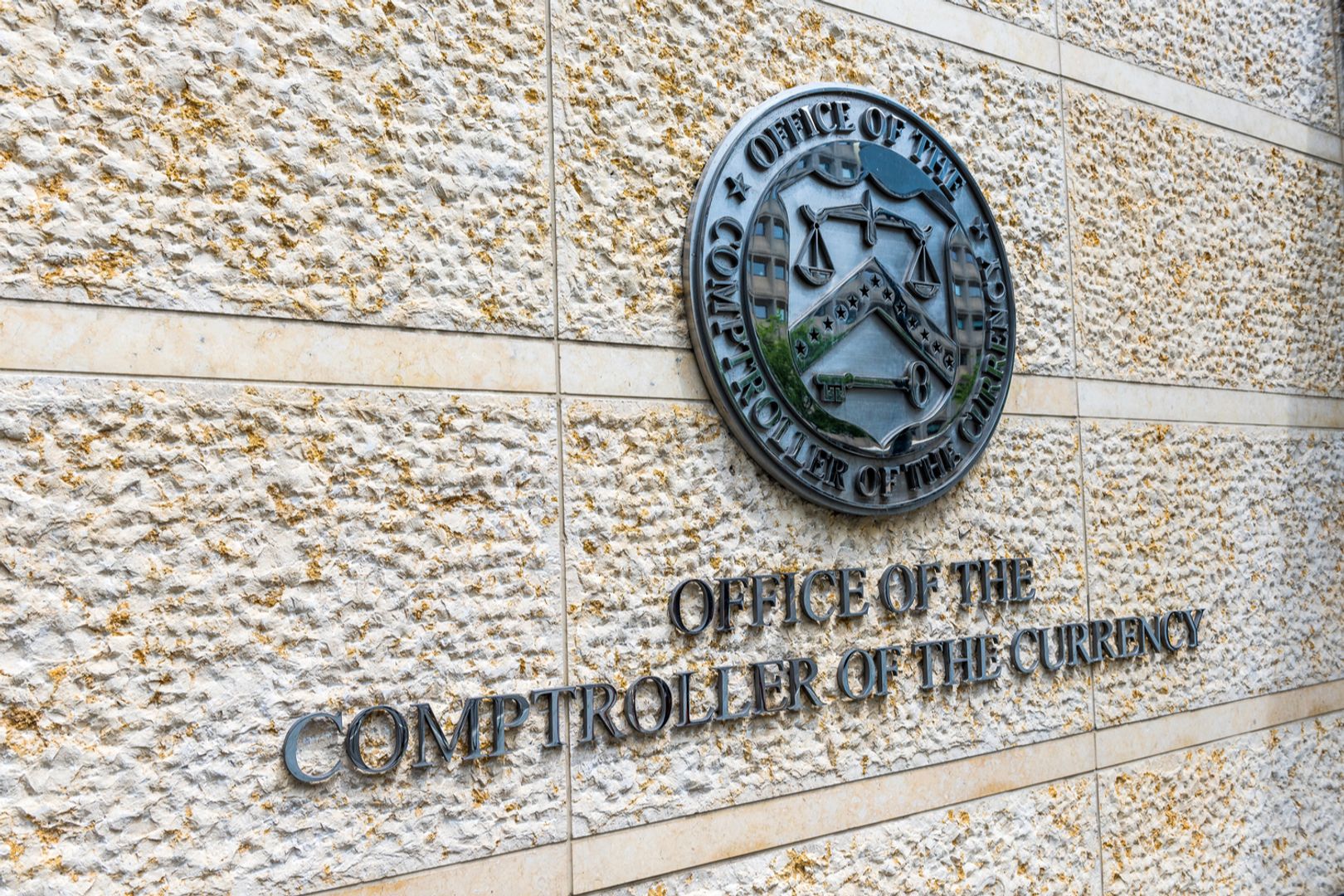
We have all seen this movie before. A crypto startup grows tired of playing by the rules of traditional banks that hate them, so they decide to become the bank. The latest actor in this drama is Rain, a stablecoin payments firm that just filed for a national trust bank charter with the Office of the Comptroller of the Currency.
Rain is the twelfth crypto-focused company to try this path. They want to set up a trust bank based in New York that can hold digital assets and cash, manage those massive stablecoin reserves, and handle the minting and burning of dollar-backed tokens directly. On paper, it sounds like the holy grail for a founder. In reality, it is a frontal assault on a banking system that is increasingly hostile toward anything involving a blockchain.
The Middleman Tax
If you are building in the payments space, you know the frustration. You build a sleek UI, you optimize your smart contracts, and then you have to plug into a legacy bank that uses software from the nineties. These third-party banks charge high fees, move slowly, and can shut your accounts down the second their compliance officer gets a nervous twitch.
Rain is trying to solve the "de-banking" risk by cutting out the middleman. By getting an OCC charter, they would not need to rely on a partner bank to hold their reserves. They would be their own custodian. For a company that specializes in stablecoins, this is not just a convenience; it is a matter of survival. If your banking partner folds or gets cold feet, your stablecoin loses its peg because you cannot prove the cash is there.
The Regulatory Fortress
Do not expect the OCC to just hand over the keys. The banking industry is already pushing back. Community banks, in particular, are terrified of crypto firms getting these charters. They argue that crypto firms do not have the same oversight as traditional banks and that a failure could ripple through the entire financial system.
From a founder's perspective, this is mostly protectionism. The big banks do not want the competition, and the small banks do not want the risk. The OCC has been notoriously slow to approve these applications. Even if Rain has its ducks in a row, they are walking into a political meat grinder. The regulators are looking for any excuse to say no, especially given the high-profile blowups we have seen in the sector over the last two years.
What This Means for Builders
If you are a builder, you should be watching Rain's application closely, but do not bet your roadmap on it. Here is why: even if they get the charter, the operational burden is massive. You are no longer just a software company; you are a highly regulated financial institution. That means your burn rate is going to explode on compliance, legal, and auditing staff.
However, if Rain succeeds, it creates a blueprint for the rest of us. A successful OCC charter for a stablecoin firm means that the path to legitimate, onshore digital finance is finally opening up. It means we might finally get past the era of "offshore banking" and shady payment processors. It would provide a level of transparency and safety that the industry desperately needs to reach the next hundred million users.
The Custody War
One of the most interesting parts of Rain's filing is the focus on custody. Most people think of banks as places that lend money, but for a crypto firm, the real value is in the vault. Being able to custody both dollars and digital assets under one roof is the ultimate efficiency play. It eliminates the friction between the traditional financial world and the on-chain world.
We are seeing a shift where companies realize that owning the infrastructure is more important than having the best features. If you own the bank, you own the settlement layer. If you own the settlement layer, you dictate the terms of the market. Rain is essentially trying to build a moat around its business that no competitor can cross without spending years in regulatory limbo.
The Skeptic's View
Let's be honest: the odds are against them. The current climate in Washington is not exactly "pro-innovation" when it comes to crypto banking. We have seen other firms spend millions on these applications only to be ghosted by the OCC or forced to withdraw. Rain has to prove they have the capital, the tech, and the maturity to handle the responsibilities of a national bank.
There is also the question of whether a trust bank is enough. A trust charter allows you to hold assets, but it does not give you the same powers as a full-service commercial bank. You cannot take deposits in the traditional sense or participate in the Federal Reserve's payment systems as easily. It is a halfway house between a tech company and a bank, and sometimes that middle ground is the most dangerous place to be.
The Founder Takeaway
If you are building a fintech or crypto project, do not wait for a charter. Focus on building a product that people actually use with the rails that exist today. But keep an eye on Rain. If they break through, the cost of doing business in crypto will eventually come down as more firms follow their lead.
The banking system was not built for the speed of the internet, but if we cannot change the system, we have to become the system.
Rain is taking a massive gamble here. They are spending significant resources on a legal process that might result in a big fat "no." But if they win, they stop being a vendor and start being a cornerstone of the new financial architecture. That is a founder move if I have ever seen one.
Read the original at CoinDesk →