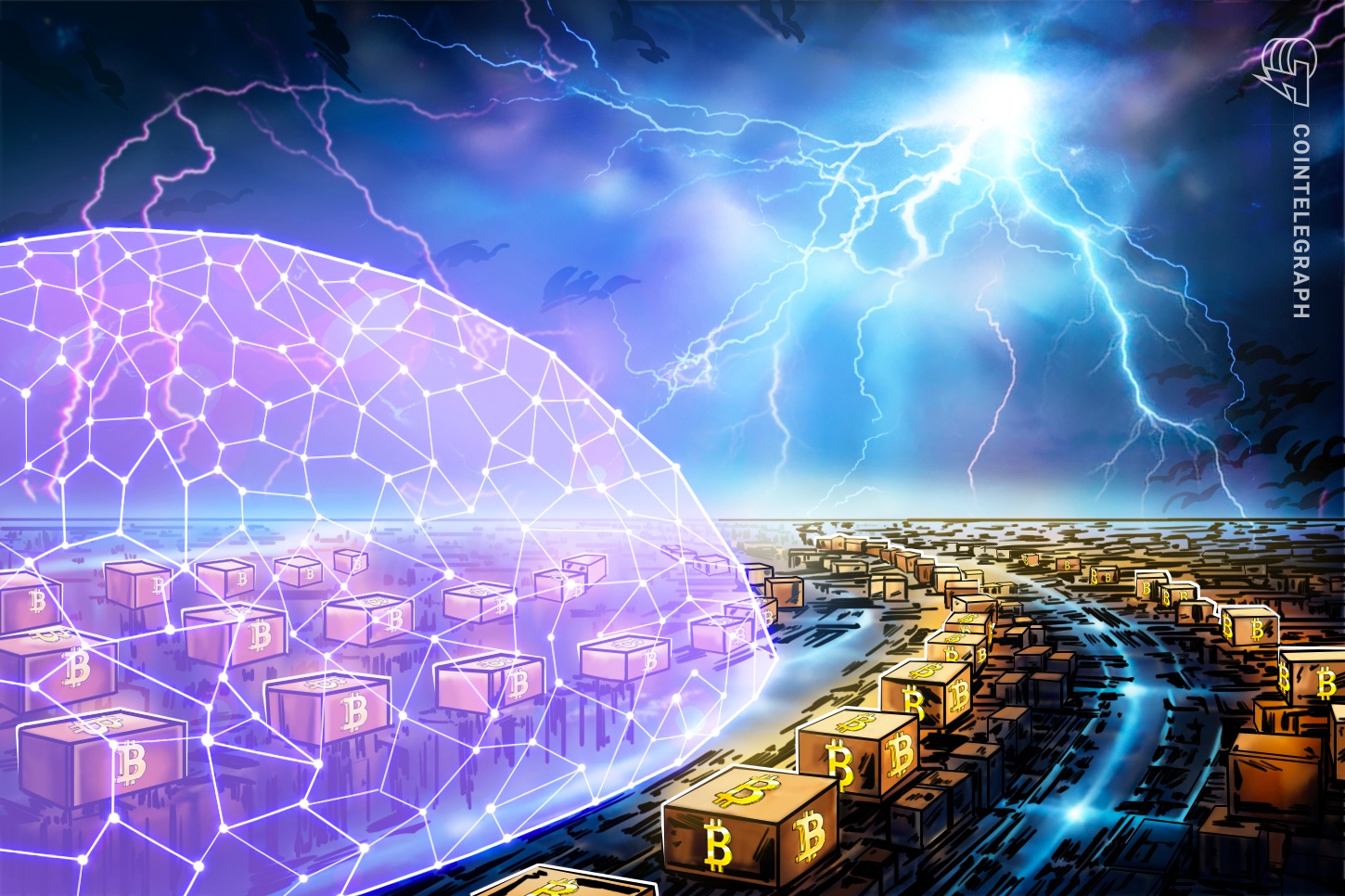
We have reached a point where the theoretical threats of tomorrow are dictating the investment flows of today. For years, the conversation around quantum computing and Bitcoin was relegated to the fringes of developer forums and academic papers. It was a 'maybe' problem for a 'maybe' future. But according to Muneeb Ali, the founder of Stacks, that luxury of time is evaporating.
Ali recently pointed out that the mere uncertainty regarding Bitcoin’s quantum-resistance is acting as a silent cap on its growth. This isn’t just about a hypothetical supercomputer cracking a seed phrase in ten years. It is about the psychology of the institutional allocator who is looking at a twenty-year horizon and seeing a massive, unpatched vulnerability.
The Institutional Hesitation
When a pension fund or a sovereign wealth fund looks at Bitcoin, they aren’t just looking at the price action. They are conducting deep due diligence on the fundamental longevity of the asset. If there is even a 1% chance that the cryptographic foundations of the network could be rendered obsolete by a breakthrough in quantum processing, that is a red flag that many simply won't ignore.
The current consensus in the crypto space has largely been 'we will cross that bridge when we get to it.' But Ali's argument is that the bridge is already casting a shadow over the market. If big money perceives a risk, they don't wait for the disaster to happen; they simply move to a different asset. This creates a hidden drag on Bitcoin’s valuation and adoption rate that is difficult to quantify but impossible to ignore.
The Nature of the Quantum Threat
To understand why this is a builder's problem, we have to look at what quantum computing actually does to cryptography. Specifically, it targets the Elliptic Curve Digital Signature Algorithm (ECDSA) that Bitcoin uses. In a world with sufficiently powerful quantum computers, the math that protects your private keys becomes solvable in a reasonable timeframe.
Most people in the industry believe we are at least a decade away from 'Q-Day'—the day a quantum computer can actually do this. However, builders need to realize that the 'fear' of Q-Day is already here. For those of us building on Bitcoin, whether through Layer 2s or institutional custody solutions, this means we are building on a foundation that the outside world views as potentially unstable.
The Technical Debt of Security
Bitcoin is notoriously difficult to change. This is its greatest strength and its most frustrating weakness. Introducing quantum-resistant signatures would require a massive consensus effort and likely a significant network upgrade. This isn't like a software patch for a centralized app; it is a fundamental shift in the protocol's DNA.
For builders, this presents a unique challenge. Do you start integrating post-quantum cryptography (PQC) into your own stacks now, or do you wait for the base layer to lead? If the base layer is slow to move, the ecosystem risks a period of extreme volatility and FUD (fear, uncertainty, and doubt) that could wipe out years of progress in institutional trust.
Why Builders Should Care Now
I have always been a fan of the 'builder-first' perspective because we are the ones who have to deal with the fallout of these high-level debates. If Ali is right and quantum fears are already limiting growth, then the total addressable market for your Bitcoin-based product is smaller than it should be. You are essentially fighting against a headwind of invisible skepticism.
- Asset Longevity: If you are building a vault or a long-term storage solution, your customers want to know their assets are safe for 50 years, not just 5.
- Development Direction: Knowing that a quantum upgrade is inevitable should influence how we think about script types and wallet implementations today.
- Market Sentiment: Understanding this fear helps founders speak the language of institutional investors who are asking these tough questions.
The risk isn't just the computer; the risk is the lack of a plan. If the Bitcoin community doesn't signal a clear path toward quantum resistance, we are leaving the door open for competitors to claim the 'secure' mantle.
The Path Forward
The solution isn't to panic, but it is to stop being complacent. We need to see more research into how Bitcoin can transition to Lamport signatures or other quantum-resistant schemes without compromising the decentralization of the network. We need to show the world that Bitcoin isn't a stagnant piece of code, but a living protocol capable of evolving to meet existential threats.
Muneeb Ali isn't saying Bitcoin is doomed. He is saying that the market is already pricing in our lack of urgency. As builders, we should be the ones pushing for these conversations. We should be the ones asking for the roadmap. If we want the next $10 trillion to flow into this ecosystem, we have to prove that the math holds up even against the computers of the future.
Final Takeaway for Founders
Don't dismiss the quantum threat as 'science fiction.' Even if the hardware doesn't exist yet, the investment risk does. If you are building in the Bitcoin space, start educating yourself on post-quantum standards. Being able to explain to a partner or investor how the network will eventually adapt is a competitive advantage. The future belongs to the prepared, and right now, the industry's lack of a clear quantum strategy is a loud silence that institutions are hearing clearly.
Read the original at Cointelegraph →