The Only Green Candle in the Room
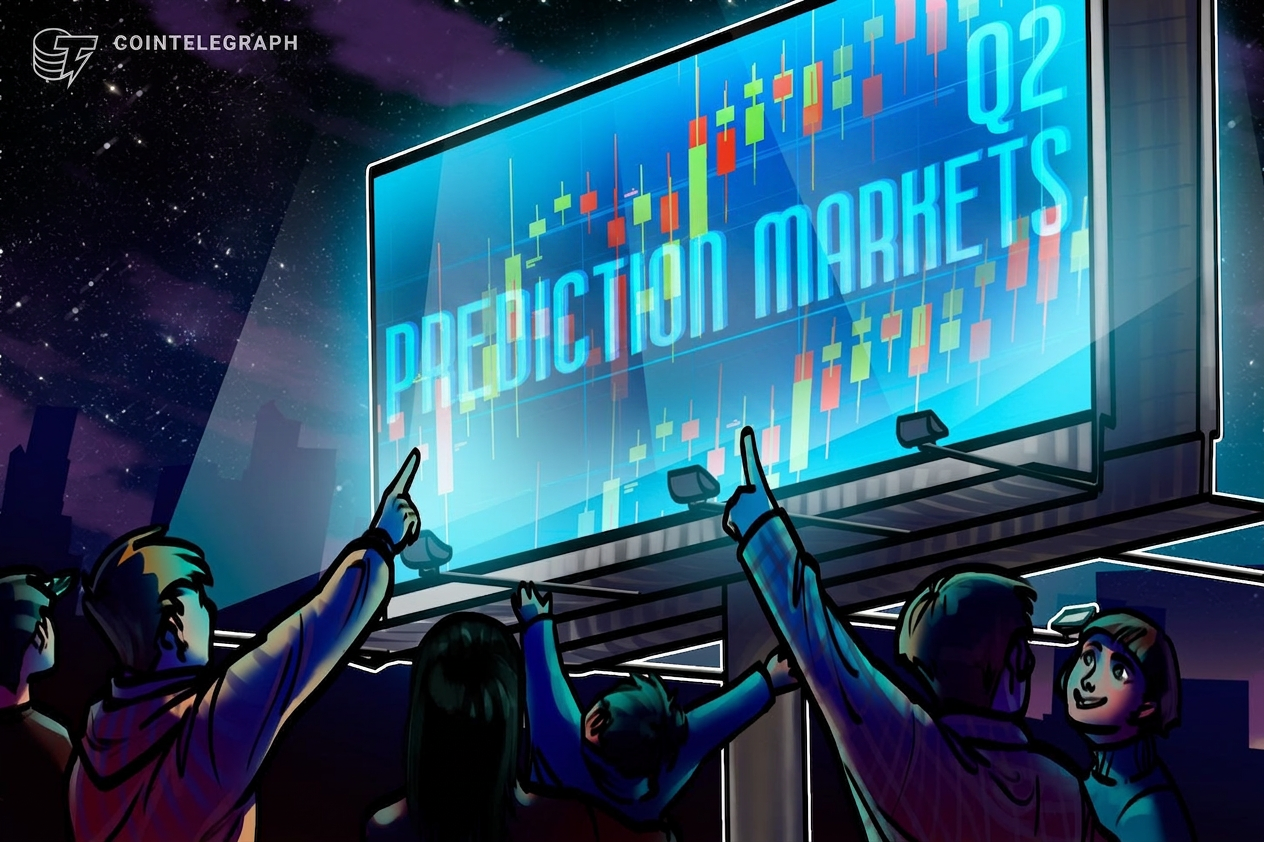
In the second quarter of 2024, the broader crypto market looked like it was nursing a hangover. Spot trading volumes on centralized exchanges dropped, derivatives cooled off, and investors seemed generally exhausted by a lack of clear momentum. If you were looking at the charts for Bitcoin or top-tier altcoins, the mood was flat. But if you looked at prediction markets, the story was the complete opposite. They didn't just grow; they exploded.
According to the latest data from CoinGecko, prediction markets hit a record $113.8 billion in notional volume during Q2. That is a nearly 600 percent increase from the start of the year. While the rest of the industry was begging for a catalyst, people were putting their money where their mouths were on everything from the U.S. presidential election to the timing of interest rate cuts. This isn't just a fluke. It's a signal that the long-promised utility of decentralized betting is finally finding its product-market fit, even if it took a chaotic news cycle to get us here.
Betting on Reality
For years, prediction markets like Polymarket were the darlings of crypto theorists. The idea was simple: markets are better at forecasting the future than pundits because people are more honest when they have skin in the game. But for a long time, the liquidity wasn't there. The interfaces were clunky. Most people outside of the core crypto circle didn't care.
That changed this quarter. We are currently living through a period of historic political and social unpredictability. Between the U.S. election cycles, shifting global economic policy, and even drama in the sports world, people are looking for sources of truth that aren't filtered through cable news. Prediction markets provide a real-time probability map. If the price of a "Yes" contract for a candidate rises, it reflects a collective intelligence processing news faster than a newsroom can type a headline.
This massive rise in volume happened despite a decline in the total market cap of stablecoins and a generally bearish sentiment across the board. It tells me that the capital staying in the ecosystem is becoming more active and more specialized. People aren't just sitting on their hands; they are moving their assets into specialized betting pools where they think they have an edge.
The Builder's Perspective: Is This Sustainable?
If you're building in this space, you shouldn't just look at that $113 billion number and assume the job is done. Much of this volume is concentrated in high-stakes, one-off events. The challenge for founders is turning this seasonal spike into a permanent behavior. Once the 2024 election is over, will users stick around to bet on the price of eggs or the weather in Tokyo?
There are a few hurdles that still make me skeptical about the long-term retail adoption of these platforms. First, the regulatory environment is still a minefield. Many of these platforms block U.S. IP addresses, which is ironic considering the bulk of the content being bet on is American policy. Second, the user experience is still very much "crypto-native." To place a bet, you often need to understand bridge protocols, private keys, and gas fees. We haven't reached the "one-click" stage that is required for a grandmother in Iowa to hedge her retirement against a policy change.
However, from a founder's perspective, this volume proves that the infrastructure can handle the load. The settlement of these markets via smart contracts is working. We aren't seeing massive failures in the underlying code, and the oracles—the systems that feed real-world data to the blockchain—have been largely reliable. That is a massive win for the technical side of the industry.
Beyond Political Gambling
What excites me as a builder isn't the gambling itself, but the data it generates. Prediction markets are essentially a decentralized API for truth. Imagine a future where an insurance startup uses prediction market odds to price its premiums, or where a supply chain company uses market sentiment to decide how much inventory to store.
The growth we saw in Q2 suggests that we are moving past the "meme coin" phase of crypto utility. While meme coins rely on hype and community sentiment, prediction markets rely on information and probability. It’s a more mature use of the technology. It requires the user to do research, analyze data, and make an objective decision. That is the kind of activity that builds a healthy, sustainable ecosystem.
- Total Notional Volume: $113.8 billion in Q2 2024.
- Growth Rate: 560.2% increase compared to Q1.
- Top Players: Polymarket continues to dominate the decentralized landscape.
- Market Context: Growth occurred while CEX trading and stablecoin caps were down.
The Takeaway for the Rest of 2024
The lesson here is that utility usually follows volatility. In a boring, stable world, nobody needs a prediction market. In a chaotic, shifting world, these platforms become essential tools for risk management and information gathering. For builders, the goal should be to bridge the gap between this high-octane betting and practical, everyday risk management.
We need to stop talking about "crypto" as if it’s just a way to trade tokens and start talking about it as a way to verify and act on information. The record volumes in Q2 show that the world is hungry for a better way to gauge the future. Whether the industry can keep that momentum when the news cycle slows down is the real question. For now, it’s the only sector in the space that isn't just surviving, but thriving.
The surge in prediction market volume suggests that when the real world gets unpredictable, the blockchain becomes the most reliable place to find an honest answer.
Expect more competition in this space as we head toward November. I anticipate we will see more integration between traditional social media and prediction market data. If you are a developer, focus on the friction points. Make the entry and exit as smooth as possible. If the industry can bridge the gap between the current niche users and the general public, that $113 billion will look like a rounding error in a few years.
Read the original at Cointelegraph →