The Great Pakistani Pivot
In the world of regional crypto adoption, Pakistan has always been a sleeping giant. We are talking about a country with a massive youth population, a crumbling local currency, and a thriving freelance developer class that keeps the lights on by writing code for Western startups. For these people, crypto isn't a speculative casino—it is a lifeline for cross-border payments.
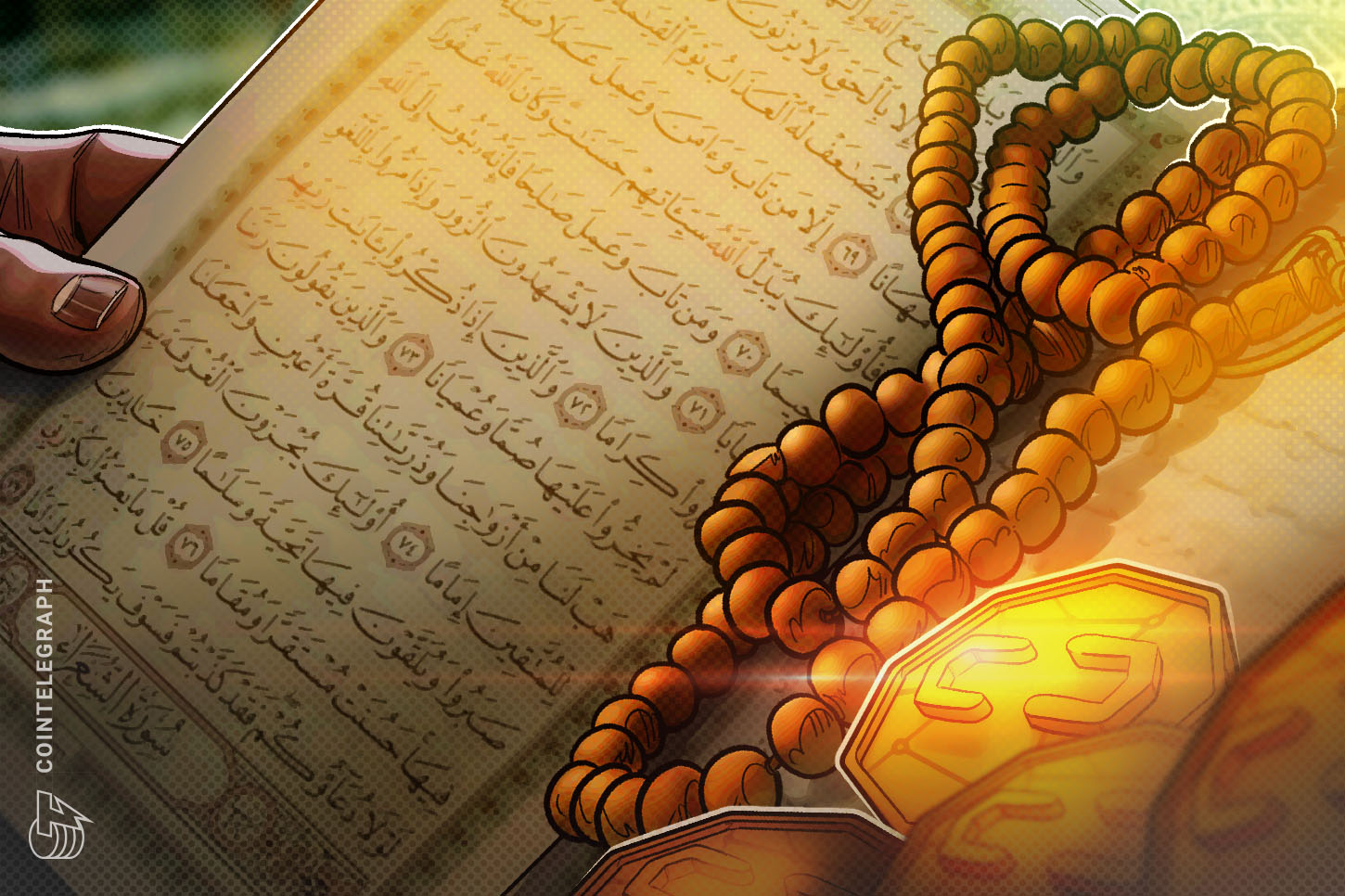
However, the regulatory environment in Pakistan just hit another major wall. Zulfiqar Ali, the head of the country's virtual asset regulatory body, recently sat down with an influential Islamic scholar who reinforced a religious ruling against using cryptocurrency for payments. This isn't just a minor policy disagreement; it is a fundamental clash between modern financial technology and established Sharia principles, and the outcome will determine whether Pakistan's digital economy grows or goes underground.
The Weight of a Fatwa
To understand why this matters, you have to look past the technical specs of a blockchain and look at the social fabric of the region. In Pakistan, the opinions of religious scholars carry as much weight, if not more, than the central bank. When a respected figure rules that crypto is not a valid medium of exchange under Islamic law, it effectively halts mainstream adoption overnight.
The meeting between Ali and the religious authorities follows a previous fatwa that labeled crypto as a form of gambling or excessively risky behavior, known as gharar. From a founder's perspective, this is the ultimate obstacle. You can fix bugs in your code, but you cannot easily fix a cultural and religious perception that your entire business model is prohibited. Ali is currently attempting to bridge this gap, arguing for continued dialogue rather than a total shutdown of the sector.
The Argument for Utility Over Speculation
What the regulators are trying to explain—and what the scholars are currently rejecting—is the difference between "Dogecoin moonshot" gambling and the actual technical utility of a stablecoin. For a developer in Lahore, getting paid in a USD-pegged stablecoin is often the only way to protect their earnings from rampant inflation. By labeling all crypto payments as prohibited, the ruling ignores the legitimate use case of wealth preservation.
I have seen this movie before in other jurisdictions. When the government or religious bodies try to ban the technology, they only succeed in banning the legal version of it. Humans are notoriously good at finding workarounds. If the formal sector isn't allowed to offer crypto services, people will simply move back to the Hawala system or P2P black markets. This makes the regulator's job impossible and leaves consumers with zero protection.
What This Means for Regional Builders
If you are building a crypto-native product in Pakistan or targeting that market, your roadmap just got significantly more complicated. You aren't just fighting for market share; you are fighting for legitimacy. The call for "dialogue" from Ali is a desperate attempt to find a middle ground where digital assets can be classified as halal—permissible.
This usually requires a few specific things:
- Removing the speculative element: Focus on direct utility and real-world assets rather than meme coins.
- Transparency: Showing exactly how the underlying value is backed to avoid the gharar label.
- Social Benefit: Demonstrating how the tech helps the unbanked or protects the poor from currency devaluations.
Without these pillars, the scholars are unlikely to budge. They see a volatile market that looks more like a lottery than a currency. From their point of view, they are protecting their community from financial ruin. From a builder's point of view, they are being locked out of the future of money.
The Regulatory Deadlock
Zulfiqar Ali's position is unenviable. He is stuck between an international financial community that expects crypto regulation and a local power structure that doesn't want it to exist at all. His push for more meetings is essentially a plea for time. He knows that if the door slams shut now, it might stay shut for a generation.
The problem is that dialogue without compromise leads nowhere. If the religious authorities insist that a lack of physical backing makes a digital asset invalid, there isn't much room for a blockchain to breathe. Most crypto assets are, by definition, intangible. If the requirement for being halal is physical delivery or state backing, decentralized finance (DeFi) is dead on arrival in Pakistan.
A Warning for Other Emerging Markets
This situation should be a wake-up call for anyone looking at growth in the Global South. We often assume that because a country has high inflation, they will naturally embrace Bitcoin. We forget that culture, religion, and local politics have the power to override economic logic. Pakistan’s struggle is a reminder that "building" includes the hard work of education and diplomacy, not just shipping features.
The survival of the Pakistani crypto scene depends on whether these two worlds can find a common language. If the regulators can't convince the scholars that crypto can be a tool for financial stability rather than a gambling ring, the country's tech sector will likely see another massive brain drain. Developers will simply move to Dubai or Singapore, taking their talent and the future of Pakistan’s digital economy with them.
The Honest Takeaway
Stop ignoring local sentiment. If you are a founder, you cannot just drop a product into a market and expect it to work if it violates the local moral or religious framework. Pakistan is showing us that the tech is the easy part. The hard part is convincing the people in charge that your tech isn't a threat to their way of life. For now, the Pakistani crypto industry is on life support, waiting to see if a few more meetings can change a thousand-year-old perspective on what money is supposed to be.
Read the original at Cointelegraph →