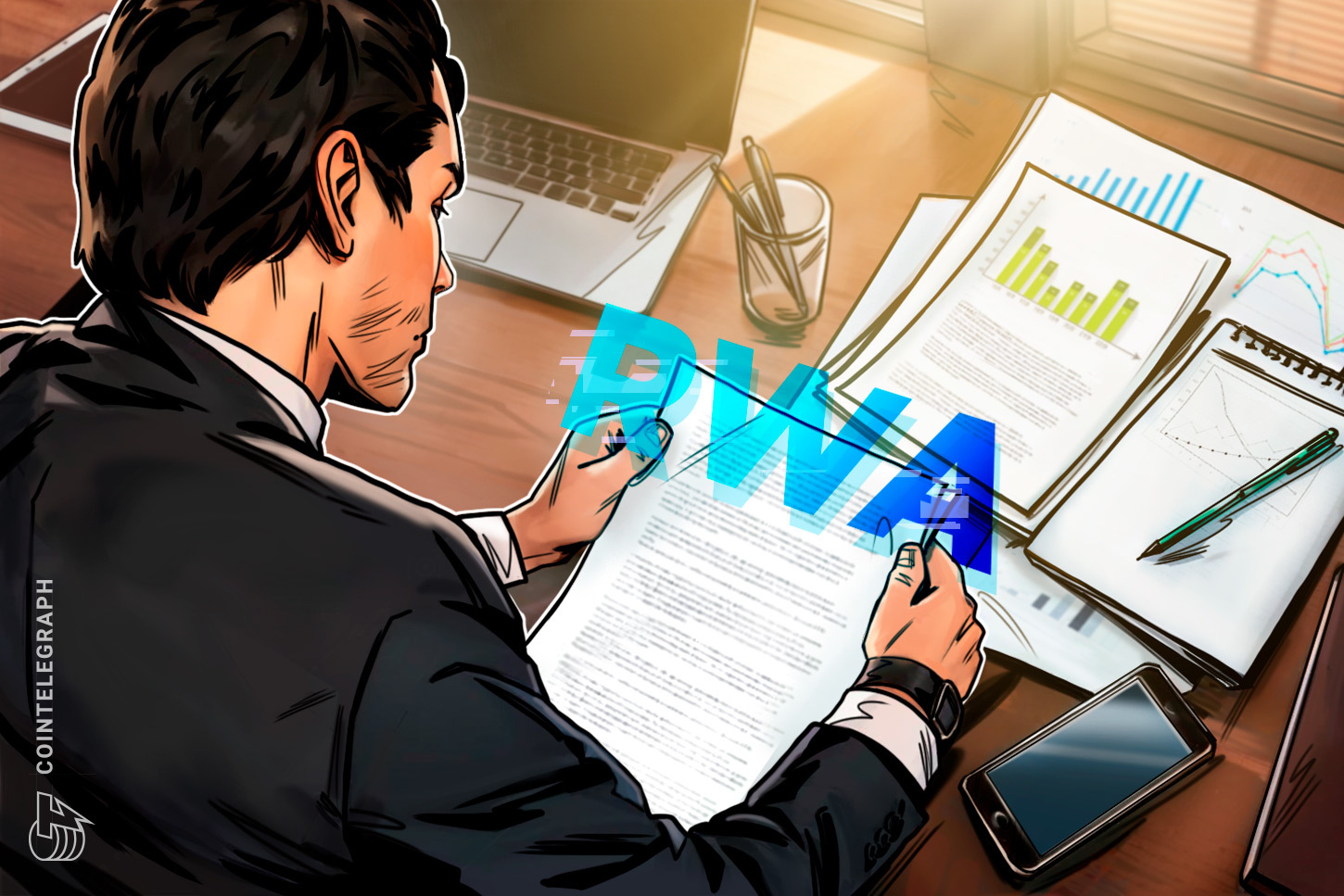
I have spent a lot of time looking at the RWA space lately. Most of it is just boring treasury bills wrapped in a smart contract. It is low risk, low reward, and frankly, a bit of a snoozefest for anyone who actually understands how venture capital works. But Ondo Finance just did something that caught my eye. They are moving into private markets, specifically targeting the pre-IPO AI sector.
The Liquidity Gap in Private Markets
If you are a founder or an early-stage employee at a high-growth AI startup, you are likely paper-wealthy. You have shares that are technically worth millions, but you cannot buy a sandwich with them. You are locked in until a liquidity event—either an acquisition or an IPO. For the rest of us, getting into these companies before they hit the Nasdaq is nearly impossible unless you have a direct line to a Tier-1 VC firm.
Ondo is trying to bridge this gap by tokenizing notes that represent exposure to these private entities. The first target is an unnamed, high-profile AI company. They are not just selling a token; they are selling access to a closed loop that was previously reserved for the ultra-wealthy and institutional players.
How It Works (Without the Fluff)
The structure is relatively straightforward but legally dense. Instead of owning the shares directly, the tokenized notes track the value of the underlying private equity. This avoids some of the messier regulatory hurdles of direct stock ownership while providing the price action that crypto investors crave. It is a derivative, plain and simple.
For builders in the RWA space, this is the blueprint. You do not just tokenize an asset; you tokenize the opportunity. By wrapping private credit or private equity into a digital format, you create a secondary market. This is where it gets interesting for founders. Imagine a world where your employee stock options are liquid from day one because there is a decentralized pool of capital willing to take the other side of that trade.
Why AI is the Perfect First Move
Choosing an AI company for the debut is a calculated move. AI is currently the only sector in tech that feels like it has the same gravity as early-day crypto. The valuations are sky-high, the hype is deafening, and every retail trader is looking for a way to get in before the inevitable IPO pop. By offering exposure to a pre-IPO AI giant, Ondo is tapping into two massive psychological trends: the fear of missing out on the next NVIDIA and the trust in decentralized rails.
However, we need to stay skeptical. The "private" in private markets means there is no public disclosure. You are trusting Ondo's due diligence and their ability to price these assets accurately in a market that lacks transparency. In a bull market, everyone is a genius. In a bear market, these illiquid private assets are the first things to get marked down to zero.
The Founder Perspective
As a founder, I look at this and see a double-edged sword. On one hand, more liquidity for private shares is a win. It makes it easier to hire top talent when you can point to a liquid market for their equity. On the other hand, it invites speculative volatility into your cap table before you even have a ticker symbol. You are essentially going public without the benefit of the capital infusion that comes with a traditional IPO.
- Increased Accessibility: Smaller accredited investors can now play in the same sandbox as Sequoia.
- Market Efficiency: Tokenization reduces the administrative overhead of managing private placements.
- Transparency Concerns: Unlike public stocks, private companies do not have to report earnings every quarter, making these tokens hard to value.
What This Means for the RWA Narrative
The first wave of RWA was about safety. It was about bringing the stability of the US Dollar and Treasury bonds on-chain. This new move by Ondo marks the start of the second wave: bringing the risk on-chain. Real-world assets are not just about 5% yields; they are about the high-stakes world of venture capital and private equity.
If this works, we will see a flood of competitors tokenizing everything from SpaceX shares to private debt for mid-sized manufacturing firms. The blockchain becomes the settlement layer for the entire global economy, not just a playground for memecoins. But for this to scale, we need more than just a few high-profile AI deals. We need a robust legal framework that protects investors when these private companies inevitably stumble.
Final Thoughts for Builders
If you are building in this space, do not just copy Ondo. The opportunity is in the niche. Look for private assets that are currently trapped in illiquid structures—think renewable energy projects, boutique real estate, or even specialized intellectual property. The technology to tokenize is easy; the hard part is the legal plumbing and the trust-building.
The goal isn't just to put things on a blockchain. The goal is to solve the liquidity problem that has plagued private markets for a century.
Ondo is taking a massive swing here. They are betting that the demand for AI exposure will outweigh the inherent risks of private market opacity. For the rest of us, it is a front-row seat to the professionalization of crypto. We are moving past the experimental phase and into the phase where crypto becomes the infrastructure for the world's most valuable assets. Just remember: in private markets, what you don't know can absolutely hurt you.
Read the original at Cointelegraph →