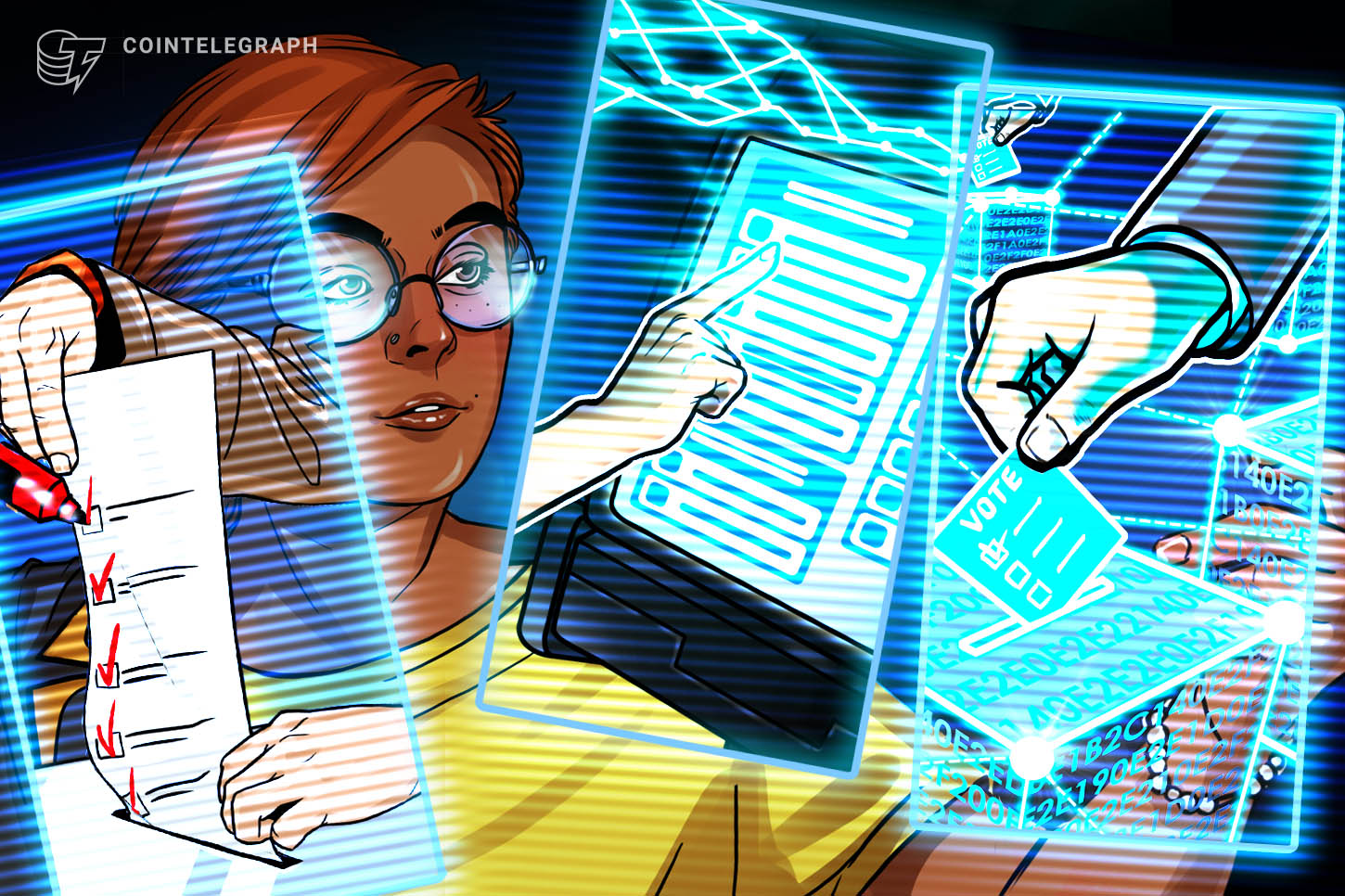
We have spent years talking about bringing real-world assets onchain. For a while, that mostly meant putting a digital wrapper around a treasury bill and calling it a day. It was a good start, but it was essentially a static bridge. You held a token that represented a yield-bearing instrument, but you were still a spectator in the actual governance of the underlying asset. Ondo Finance is trying to change that dynamic by introducing shareholder voting rights to its tokenized equity offerings.
The Governance Gap in Tokenization
When we talk about tokenizing stocks, the focus is usually on round-the-clock trading, instant settlement, and fractional ownership. Those are all massive wins for builders and investors alike. However, there has been a glaring omission in the move to put Wall Street on a blockchain: power. If you own a piece of a company through a brokerage, you get to vote on board members and corporate policy. If you own a tokenized version of that stock, you usually just get the price action.
Ondo is moving to solve this by integrating a governance layer. By partnering with infrastructure providers to facilitate onchain voting, they are making the tokenized asset behave more like the actual security it represents. For builders in the DeFi space, this is a signal that the "wrapper" era is evolving into the "utility" era. We aren't just moving numbers around a ledger anymore; we are actually porting the legal and functional rights of ownership into the smart contract environment.
Why This Matters for Founders
If you are building a protocol that uses tokenized assets as collateral, you need those assets to be as close to the real thing as possible. A tokenized stock that lacks voting rights is essentially a derivative with a haircut. It has less value than the original asset because it lacks the control component. By adding voting, Ondo is removing one of the primary objections institutional holders have when looking at onchain equities.
From a founder's perspective, this also opens up new avenues for DAO integration. Imagine a decentralized autonomous organization that holds significant positions in legacy companies. Previously, that DAO would have to rely on a centralized custodian to manually execute votes. With onchain voting bridges, that process can be automated or put to a governance vote within the DAO itself. It creates a direct line of influence from the crypto-native world back into traditional corporate boardrooms.
The Competitive Landscape
Ondo isn't in a vacuum. Large institutions like BlackRock and Franklin Templeton are already deep in the tokenization game. The difference is their approach. The big banks and fund managers are largely focused on the backend efficiency—saving money on audits and settlement. They aren't necessarily incentivized to give retail or DeFi users more control.
Companies like Ondo are taking a more builder-centric approach. They are looking at what makes a digital asset actually useful in an ecosystem. By focusing on the governance aspect, they are catering to a crowd that values sovereignty and direct participation. This moves tokenized equities away from being a passive investment and toward being an active tool for decentralized finance.
The Reality Check
We shouldn't get ahead of ourselves. While onchain voting is a technical milestone, the legal frameworks are still catching up. A smart contract saying you voted is one thing; a corporate secretary at a Fortune 500 company recognizing that vote is another. These bridges require heavy lifting on the legal side to ensure that the onchain action has standing in a traditional court of law.
There is also the risk of centralizing influence. If a handful of tokenization platforms control the voting portals for billions of dollars in stock, they become the new gatekeepers. We need to watch how these voting mechanisms are decentralized over time. If the platform holds the ultimate keys to the proxy vote, we haven't actually disrupted the system; we've just given it a new UI.
What to Watch Next
As the competition in tokenized equities heats up, I expect to see a feature war. Voting is the first step. Next will be more complex corporate actions like rights issues, mergers, and dividends being handled entirely via smart contracts. For developers, this means the demand for robust, secure oracles and cross-chain governance tools is going to skyrocket.
Builders should be looking at how to aggregate these rights. If I hold tokenized Apple, Tesla, and Microsoft, I don't want to go to three different portals to vote. The winners in this space will be the ones who create a unified governance layer that feels native to the crypto experience while remaining compliant with the legacy world.
Takeaway for Builders
- Asset Parity: Tokenized assets must eventually match 100% of the rights of the original asset to be considered true RWA.
- Interoperability: Onchain voting tools are only useful if they can be integrated into existing DAO and DeFi frameworks.
- Regulatory Risk: Governance adds a layer of complexity to compliance; founders need to ensure their tools don't inadvertently violate proxy voting laws.
Ondo's move is a clear hedge against the commoditization of tokenized assets. When everyone can wrap a T-bill, the winners will be the ones who build the most comprehensive feature set around the token. Voting isn't just a gimmick; it's an essential piece of the puzzle if we want to build a truly parallel financial system that isn't just a shadow of the old one.
Read the original at Cointelegraph →