North Carolina just did something that most state governments are too scared or too confused to do: they picked a side. Instead of trying to reinvent the wheel or create a tangled web of state-level restrictions for prediction markets, they decided to let the federal government handle the heavy lifting while they take a modest cut of the action.
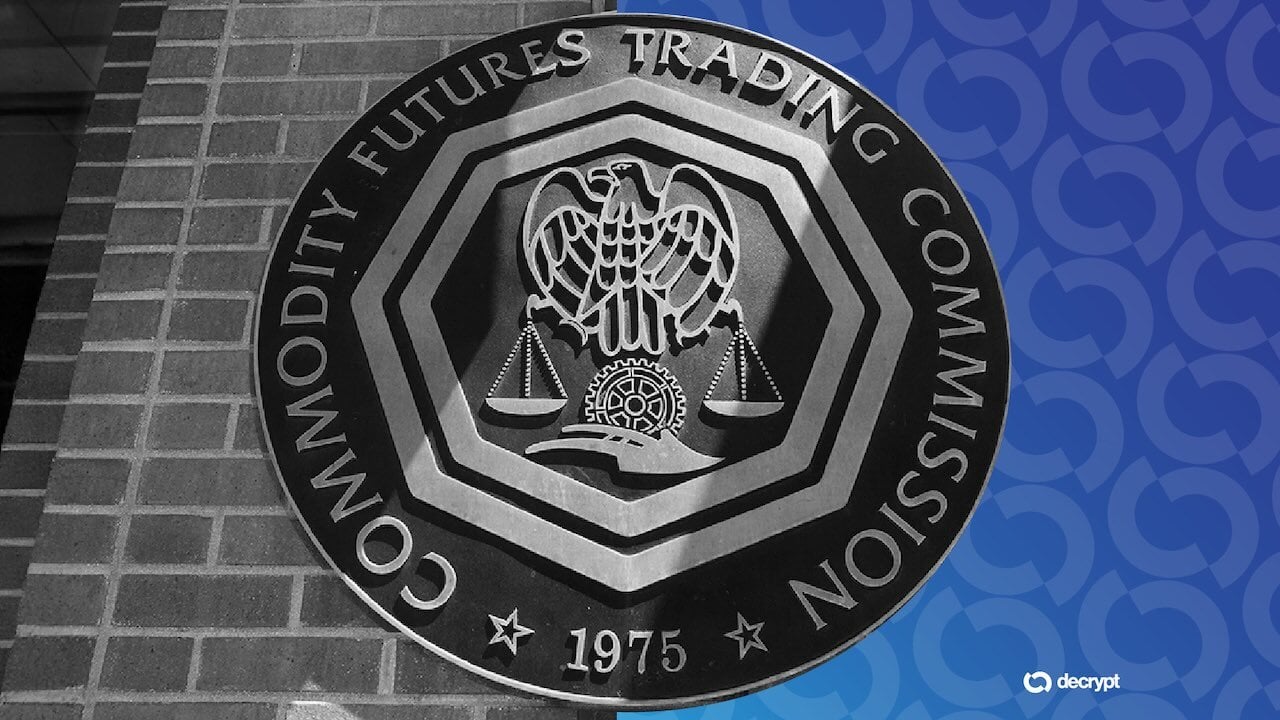
The state's latest budget bill includes a section that formally recognizes the Commodity Futures Trading Commission (CFTC) as the primary regulator for event-based betting markets like Kalshi and Polymarket. By doing this, North Carolina isn't just waving a white flag; they are setting a precedent that could save builders in the crypto and logic-based betting space a whole lot of legal headaches.
The Logistics of State Compliance
For those of us building in this space, the biggest nightmare is the fifty-state patchwork. If you have to get a separate license and follow different rules in every single state, you aren't building a product; you are building a legal department that happens to have a website attached to it. North Carolina's move to defer to the CFTC suggests a future where states might actually let federal agencies do the auditing and enforcement while the states simply collect a tax.
Speaking of taxes, the rate they set is incredibly low compared to the rest of the gambling industry. North Carolina is asking for a 6% tax on these markets. To put that in perspective, other states have been eyeing rates closer to 20% or higher for traditional sports betting. A 6% rate is a signal that North Carolina wants to be a hospitable environment for these platforms rather than trying to squeeze them for every penny until they pivot or shut down.
Why This Matters for Founders
If you are a founder working on a decentralized prediction protocol or even a centralized event market, this bill is a case study in practical governance. Usually, when a new technology emerges, states react in one of two ways: they ban it outright to protect existing incumbents, or they try to over-regulate it into oblivion. North Carolina is taking a third path by saying, "We know this is coming, we aren't the experts on the mechanics, so we will let the CFTC handle the rules while we take a small piece of the revenue."
This is honestly a relief. The CFTC has been fighting its own battles—most notably with Kalshi over whether election betting should even be allowed. By North Carolina acknowledging the CFTC's authority, it reinforces the idea that these platforms are financial instruments or commodity contracts rather than simple casino games. That distinction is vital for the long-term legitimacy of the sector.
The Risks of Centralized Recognition
While the clarity is good, there is a flip side to this. By explicitly naming the CFTC as the authority, the state is effectively locking in whatever the CFTC decides. If the CFTC decides to tighten the screws or ban specific types of markets, North Carolina has already signed away its ability to offer a divergent, more liberal path. For builders, this means your regulatory risk is now concentrated. You don't have to worry about the North Carolina Department of Revenue kicking down your door, but you do have to worry about the mood swings in Washington D.C.
We also have to look at the tax structure. A 6% tax is manageable, but how it is calculated matters. The bill treats these as "event-based markets," which is a term that needs to stay broad. If the definition narrows too much, we might see a situation where some crypto-based prediction markets are taxed as gambling while others are taxed as financial trading. That kind of inconsistency is what kills startups.
A Blueprint for Other States?
I’ve talked to a lot of developers who are hesitant to integrate prediction market hooks into their apps because they don't want to be classified as an illegal sportsbook. What North Carolina is doing here provides a clearer roadmap. If other states follow this lead, we could see a standardized environment where the tax is low and the rules are federal. That is the ideal scenario for scaling.
However, don't expect every state to be this chill. States like New York or California often feel the need to have their own specific, more rigorous oversight. The real test will be whether the low 6% tax rate in North Carolina creates enough of a competitive advantage that other states feel pressured to lower their own demands to keep companies from setting up shop in the South.
What Builders Should Do Now
If you are building in this space, here are three things to keep in mind based on this development:
- Watch the CFTC, not the states: At least for North Carolina, the battle for what you can and cannot list on your market will be fought in D.C. courtrooms, not state legislatures.
- Budget for the 6%: This is a highly reasonable overhead. If your business model can't survive a 6% tax, you have a margin problem, not a regulatory problem.
- Stay Flexible: Just because North Carolina is being reasonable doesn't mean the neighbor states will be. The dream of a unified federal standard is getting closer, but we aren't there yet.
Ultimately, this is a win for common sense. It acknowledges that the internet doesn't have borders, and trying to regulate a global liquidity pool at the state level is a fool's errand. North Carolina decided to be the adult in the room, take their fair share, and get out of the way of the builders.
Takeaway
North Carolina is choosing federal oversight and a low 6% tax over state-level micromanagement. For builders, this is a rare bit of regulatory clarity that simplifies the legal map and treats prediction markets as financial tools rather than just digital poker tables.
Read the original at Decrypt →