The Shield Joins the Fray
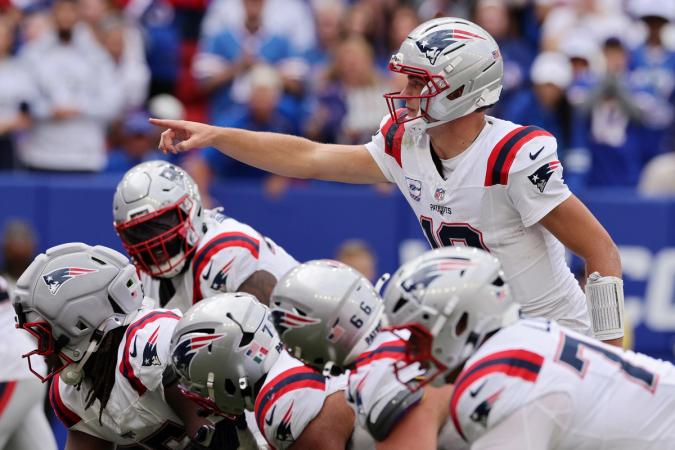
It was only a matter of time before the big leagues stopped watching from the sidelines. The National Football League has officially thrown its weight behind the push to restrict prediction markets, joining a heavy-hitting coalition that includes state regulators, SEC Chair Gary Gensler, and the original architects of federal commodities law. They are asking the U.S. Supreme Court to step in and decide whether betting on the outcome of an event is a protected financial innovation or just gambling dressed up in tech clothing.
For those of us building in crypto and AI, this isn't just a sports story. It is a fundamental conflict over who gets to define what a "market" is. The NFL’s involvement signals that the legacy gatekeepers of entertainment and sports data are terrified of decentralized, peer-to-peer wagering systems that they cannot tax, track, or take a cut from.
The Argument Against Efficiency
The core of the opposition rests on the idea of public interest. The NFL and its allies argue that prediction markets—specifically those dealing with sports and political outcomes—threaten the integrity of the underlying events. They claim that if you let anyone, anywhere, hedge their bets on a game or an election via a smart contract or a decentralized exchange, you open the door to manipulation and a loss of public trust.
But let’s look at the founder perspective here. Prediction markets are, at their best, the most efficient information aggregators we have ever built. They provide real-time data that is often more accurate than polling or expert analysis because people are putting their own capital on the line. The legacy pushback isn't really about "integrity." It is about maintaining a monopoly on the infrastructure of risk.
Why the NFL Cares Now
For years, the NFL kept gambling at arm's length. Then, the Supreme Court opened the floodgates for state-sanctioned sports betting, and suddenly, the league was all-in. They have massive partnerships with centralized betting apps. They have control over the data feeds. They have a seat at the table with state regulators.
Decentralized prediction markets break that model. They don't need a partnership with the league to function. They don't pay licensing fees for "official data." By siding with the CFTC and Gary Gensler, the NFL is trying to ensure that if betting happens, it happens through the channels they can control and monetize. It is classic rent-seeking behavior disguised as consumer protection.
The Regulatory Squeeze
The legal battle has reached the highest level because the lower courts have been inconsistent. Some judges see prediction markets as basic derivatives—contracts that derive value from an external event—which should fall under the CFTC’s existing rules. Others see them as a new frontier that the current laws weren't designed to handle.
For builders, this uncertainty is a tax on innovation. If you are developing a protocol that allows for event-based hedging, you are now looking at a legal landscape where the NFL’s lawyers are actively working to shut you down. This isn't just about whether you can bet on the Super Bowl; it’s about whether we are allowed to build permissionless systems that handle any kind of conditional logic based on real-world outcomes.
The Gensler Factor
Gary Gensler’s involvement shouldn't surprise anyone. His philosophy has consistently been that if it looks like a duck and quacks like a duck, it’s a security (or in this case, a commodity that needs heavy oversight). By aligning with the NFL, the SEC and CFTC are building a formidable wall. They are leveraging the cultural and political power of professional sports to justify a crackdown on DeFi-adjacent technologies.
The irony is that the league is arguing against the very transparency that blockchain-based markets provide. On-chain markets are public, auditable, and immutable. Traditional sportsbooks are black boxes.
What This Means for Founders
If you are in the trenches building these tools, you need to understand that the target on your back just got bigger. We are no longer just dealing with bored regulators in D.C.; we are dealing with multi-billion dollar entertainment conglomerates who view decentralized tech as a direct threat to their business model.
Here is the reality: the tech is ready, but the legal framework is being actively weaponized. Founders should be looking at two paths. The first is rigorous compliance, which is expensive and often kills the "decentralized" part of the project. The second is building truly resilient, censorship-resistant infrastructure that doesn't rely on a single point of failure that the NFL can sue into oblivion.
The Takeaway
The push to the Supreme Court represents a final stand for the old guard. They want a world where every transaction is mediated by a trusted (and taxable) third party. Prediction markets represent the opposite—a world where the truth of an event is enough to settle a contract without a middleman.
We should be skeptical of the "integrity" argument. If the NFL truly cared about the integrity of the game above all else, they wouldn't have integrated betting lines into every broadcast. This is a turf war. For builders, the lesson is clear: if your product is useful enough to threaten a legacy monopoly, expect them to call in every favor they have to stop you. Keep your heads down, build for resilience, and don't expect the courts to save you.
Read the original at CoinDesk →