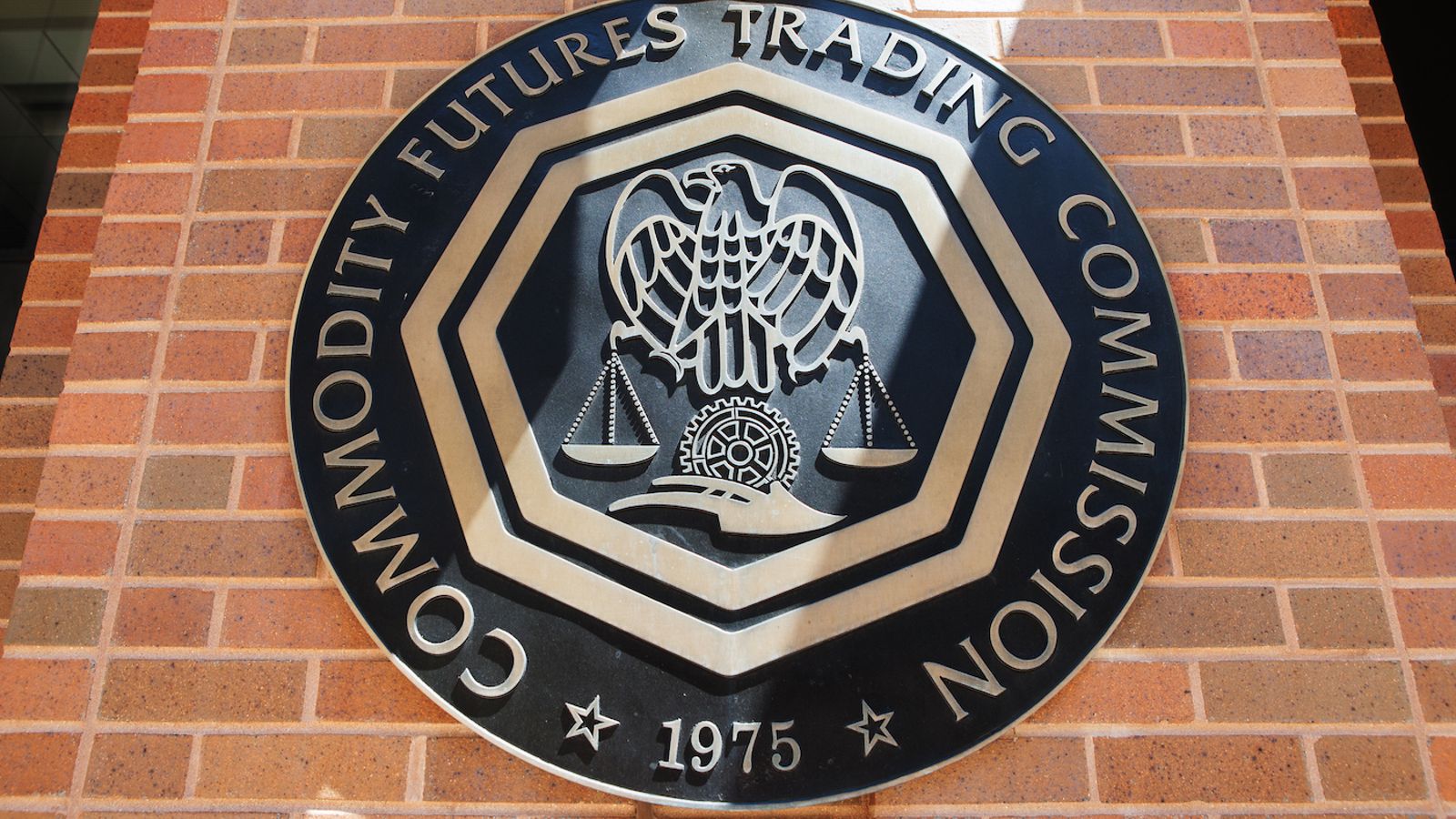
Regulators usually hate to admit they were wrong. In the world of crypto, where the line between a digital asset and a security is constantly being blurred by legal jargon, a backdown is a rare event. New Jersey recently provided one of those rare moments by officially rescinding a cease-and-desist order against Coinbase that had been hanging over the exchange since 2023.
For those who missed the original drama, the New Jersey Bureau of Securities initially hit Coinbase with a $5 million penalty. The state claimed that the company's staking services—where users earn rewards for helping secure proof-of-stake networks—amounted to an unregistered securities offering. Last week, that order was quietly dropped. No fine was paid. No admission of guilt was made. The state simply walked away.
The Long Game of Regulatory Overreach
This saga started during a peak period of regulatory aggression. Several states, including California and South Carolina, moved in lockstep to target staking. The argument was simple, if a bit lazy: because users were handing over assets to a centralized platform to generate yield, it looked like an investment contract. From a founder's perspective, this was always a reach. Staking is a technical necessity for blockchain consensus, not just a financial product designed to skirt the law.
The fact that New Jersey withdrew its order suggests that the legal foundation for these attacks is cracking. When Coinbase decided to fight these orders rather than just pay the settlement and move on, they forced regulators to actually look at the underlying tech. It turns out that when you peel back the layers, staking looks more like a decentralized utility service than a predatory stock offering.
Why Builders Should Care
If you are building in the DeFi or infrastructure space, this news is more than just a headline about a big exchange. It’s a signal that the "regulation by enforcement" era is meeting real resistance at the state level. When a major state regulator backs down, it creates a precedent that other states will likely follow. It reduces the perceived risk for smaller startups that want to offer rewards for network participation but were afraid of getting hit with a five-figure legal bill before they even found product-market fit.
However, we shouldn't get complacent. The withdrawal of this order doesn't mean staking is suddenly "legal" everywhere. It just means that the specific way Coinbase structured its service in New Jersey didn't hold up as a slam-dunk case for the state. Founders still need to be careful about how they market yield. If you use words like "interest," "passive income," or "guaranteed returns," you are still painting a target on your back.
The Shift in Sentiment
We are seeing a broader shift in how authorities are looking at crypto infrastructure. Earlier this year, we saw a lot of noise about the SEC potentially targeting Ethereum’s transition to proof-of-stake as a trigger for securities status. That hasn't materialized into the existential threat many feared. New Jersey's retreat is a microcosm of this larger trend: the realization that you cannot easily fit decentralized consensus mechanisms into 1930s-era financial categories.
For the average builder, this means the risk of "state-level friction" is slowly de-escalating. It’s a reminder that the loud, aggressive press releases issued by regulators often have less substance than the subsequent, quieter legal filings. Coinbase’s willingness to litigate has essentially provided a shield for the rest of the industry, proving that these orders aren't always enforceable.
The Reality of Retail Staking
There is still a valid conversation to be had about transparency. Part of why regulators get twitchy about staking is that the mechanics are opaque to the average person. If a platform is taking a 25% cut of the rewards without telling the user, that’s a consumer protection issue. If the platform is lending out the staked assets rather than actually staking them on-chain, that’s a fraud issue.
The New Jersey reversal shows that the state realized they were barking up the wrong tree by calling it a security. They should have been focused on transparency and disclosure. As an industry, we win when we prove that our products are technically sound and that we aren't hiding the ball from our users.
Takeaway for the Ecosystem
The lesson here is simple: technical truth eventually wins out over legal posturing. New Jersey’s decision to drop the $5 million penalty and the cease-and-desist is a victory for anyone building on proof-of-stake networks. It validates the idea that providing a gateway to blockchain consensus is a legitimate service, not a crime.
The regulatory tide is turning because the industry stopped rolling over. Fighting back works when you have the technical facts on your side.
As we move forward, expect more states to re-evaluate their stance on crypto services. The era of the "easy win" for regulators is over. For builders, this is your cue to keep shipping. The legal gray area is getting a little lighter every day, and the cost of entry into the staking economy just got a little lower.
Read the original at Bitcoin Magazine →