The Entertainment Engine Meets the Crypto Wreckage
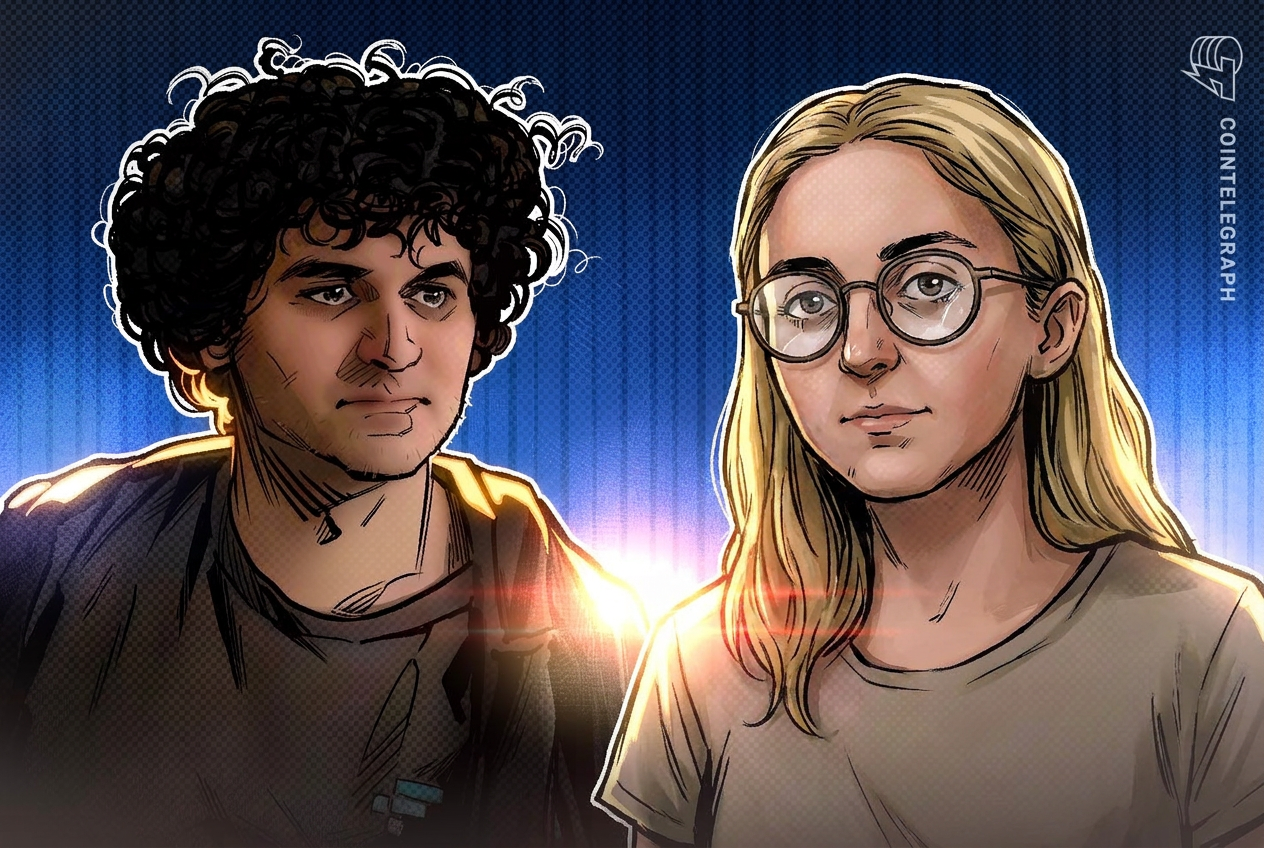
Netflix finally released the trailer for their take on the FTX collapse. It focuses heavily on the relationship between Sam Bankman-Fried and Caroline Ellison. For those of us who spent 2022 watching our portfolios evaporate or answering frantic calls from LPs, this feels like a fever dream being repackaged for a Friday night binge-watch. It is the natural conclusion to the most expensive reality show in the history of finance.
As a founder, I find the timing fascinating. Sam is currently sitting in a federal prison cell, serving a twenty-five-year sentence. Caroline, meanwhile, was recently released after serving her significantly shorter stint. The justice system has largely finished its work, so now the content machine takes over to shape the public memory of what happened. This is not just a documentary; it is the definitive narrative that the average non-crypto person will use to judge everything we build for the next five years.
The Trap of Personality-Driven History
The trailer leans heavily into the soap opera elements: the polycule rumors, the odd-couple dynamic, and the rise-and-fall arc that Hollywood loves. While this makes for great television, it does a disservice to the builders who are actually trying to solve the problems that FTX exposed. By focusing so much on the individuals, the narrative often misses the systemic failures and the technical gaps that allowed a centralized exchange to masquerade as a decentralized revolution.
We have seen this play out before with Theranos and WeWork. The media focuses on the eccentric founder because it is easier to understand than the nuances of liquidations, balance sheet manipulation, or cold storage security. For those of us in the trenches, the drama between Sam and Caroline is a distraction from the real work of building trustless infrastructure that doesn't rely on the whims of a few twenty-somethings in the Bahamas.
What This Means for Founders Today
If you are building in the crypto or AI space right now, you are going to feel the ripples of this documentary. When your uncle or your traditional VC asks why they should trust your project, they aren't thinking about your protocol's uptime or your tokenomics. They are thinking about the trailer they saw on Netflix. They are thinking about the image of a guy in a hoodie who turned out to be a fraud.
The takeaway for builders is clear: radical transparency is no longer optional. In the pre-FTX era, being a "black box" was seen as proprietary or mysterious. Today, it is a red flag. If your project relies on the charisma of a single founder rather than the verifiable integrity of the code, you are building on sand. The industry is currently in a massive re-branding phase, moving away from the "move fast and break things" mentality toward a "prove everything and verify" standard.
The Ellison Factor and the Cooperative Witness
Caroline Ellison’s role in this story is particularly nuanced. Her release from prison in early 2025 marks the end of her legal journey, but the public jury is still out. The documentary seems poised to paint her as both a participant and a victim of Sam’s orbit. For founders, this is a lesson in governance and the dangers of blurred lines between personal relationships and corporate fiduciary duties.
Building a company with friends is common, but building a multi-billion dollar financial institution without adult supervision or independent board oversight is a recipe for disaster. The Netflix series will likely highlight the lack of internal controls at Alameda and FTX, which should serve as a cautionary tale for any startup reaching the scaling phase. If you don't have someone in the room who can say "no" to the CEO, you don't have a company; you have a cult.
Separating the Tech from the Theater
We need to be prepared for the fallout of this being back in the mainstream consciousness. The best way to combat the negative PR of the FTX era isn't to argue with people on Twitter or get defensive about the documentary. The best way is to build things that actually work and provide tangible value that can't be dismissed as a scam.
The irony is that the collapse of FTX actually proved the case for decentralization. The failure wasn't in the blockchain; it was in the centralized intermediaries that lied about using it. However, that distinction is often lost on a general audience. As builders, we have to bridge that gap. We have to be the ones explaining why a DEX or a non-custodial wallet is the antidote to the SBFs of the world.
The Long Tail of the FTX Shadow
This documentary is a reminder that we are still living in the shadow of the 2022 crash. Even as Bitcoin hits new highs and AI integration becomes the new standard, the ghosts of Sam and Caroline are never far behind. They have become the archetypes of the "crypto villain," and it will take years of honest, boring, successful building to replace those images in the public mind.
Don't be surprised if the regulatory environment gets another push following the release of this series. Policy makers watch Netflix too, and the visceral reaction to seeing billions of dollars in customer funds vanished on screen often translates into knee-jerk legislation. Founders should be proactive in their compliance and transparent in their operations now, before the next wave of scrutiny arrives.
The biggest risk to our industry isn't a market crash; it's the loss of public trust. Shows like this remind us how quickly that trust can be burned, and how long it takes to rebuild.
Ultimately, the Netflix series is a post-mortem. It is a look back at a version of the industry that was fueled by hype and lack of accountability. If we are doing our jobs right, the viewers who watch the documentary will look at the current state of crypto and AI and see something completely different: something stable, something useful, and something that doesn't require a documentary to explain where the money went.
Read the original at Cointelegraph →