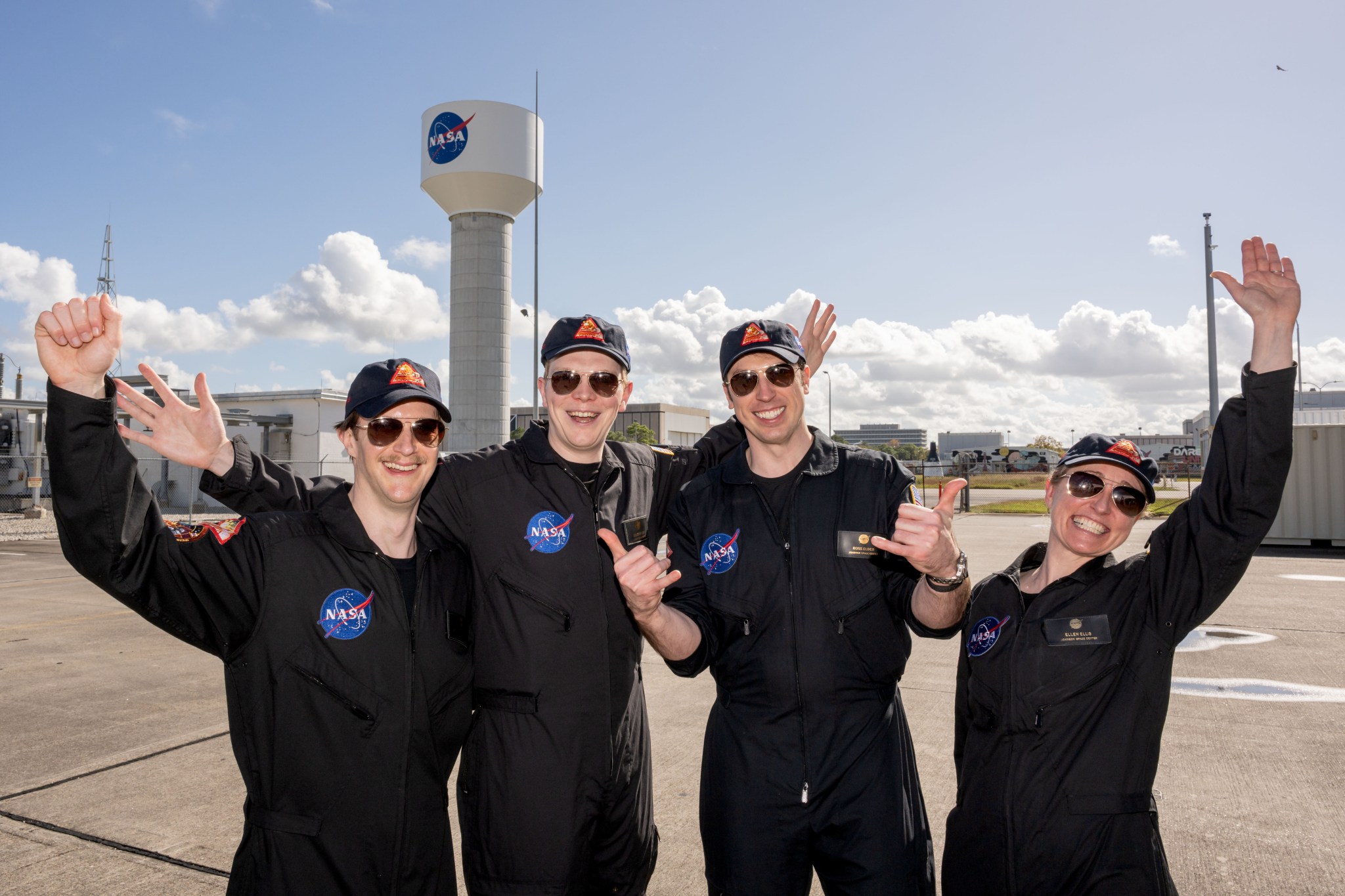
NASA just concluded its first CHAPEA mission, where four volunteers spent over a year inside a 3D-printed Mars analog at Johnson Space Center. While the headlines focus on the drama of living in a 1,700-square-foot box, builders in the decentralized and automated tech space should be looking at the data behind the walls. This wasn't just a social experiment; it was a stress test for resource management, autonomous operations, and psychological endurance.
The Logistics of Total Isolation
Matthew Montgomery, James Spicer, Ross Elder, and Ellen Ellis didn't just sit around. They lived through a 378-day simulation that included 20-minute communication delays, limited food supplies, and the constant threat of simulated equipment failure. For a founder, this is the ultimate edge case. We talk about 'building in public,' but NASA is perfecting the art of building in total, silent isolation.
The habitat itself, dubbed Mars Dune Alpha, was created using large-scale 3D printing technology. This is significant because it shifts the focus from hauling materials to hauling instructions. In a decentralized world, we often talk about the importance of code as law. In the CHAPEA mission, the 3D printer was the law. If it couldn't be printed or fixed with what they had on hand, it didn't exist. That kind of constraint forces a level of creative problem-solving that most startup teams never have to face.
Why Constraints Build Better Systems
In the crypto world, we often struggle with over-engineering. We build complex protocols because we can, not because they are necessary. The CHAPEA crew had the opposite experience. They had to maintain a high level of performance while dealing with 'Mars-realistic' stressors. This included resource limitations and the inability to call for immediate help when things went sideways.
If you are building an AI agent or a decentralized autonomous organization, you should be studying how these crews managed their workflows. When the feedback loop is 40 minutes round-trip, you can't rely on centralized command and control. You have to empower the nodes—in this case, the crew members—to make high-stakes decisions based on a shared protocol. It is the purest form of decentralized governance I have seen in recent years.
The Psychological Debt of the Long Haul
We often ignore the human cost of long-term projects. We see it in crypto all the time: founders burn out after eighteen months of a bear market. The CHAPEA mission was designed to study exactly that—how human health and performance degrade or adapt over a year of confined, high-pressure work. The crew performed 'Marswalks,' grew vegetables, and maintained their equipment, all while being monitored for cognitive and physical changes.
For those of us building tools for the future of work, the takeaway is clear: efficiency is not just about throughput; it is about sustainability. A system that works for three months but breaks the humans involved by month twelve is a failed system. NASA is collecting this data to ensure that when we actually send people to Mars, the social and mental infrastructure is as robust as the life support systems.
The Role of Automation and AI
During the mission, the crew had to rely heavily on automated systems for environmental monitoring and health tracking. This is where the intersection with modern AI becomes interesting. In a remote environment, you don't need a generative AI to write poetry; you need a predictive AI to tell you when a seal is about to fail or when a crew member's nutritional levels are dipping. The CHAPEA mission proves that AI's greatest value in extreme environments is as a silent, proactive guardian rather than a conversational partner.
What Builders Should Take Away
The conclusion of this first mission on October 31, 2026, marks a shift in how we think about long-term exploration and system design. NASA is already planning two more CHAPEA missions, which tells you they aren't satisfied with a single data point. They are looking for patterns in how humans and machines interact under stress.
- Constraints are a feature: The 3D-printed habitat forced the crew to live within the limits of their tech. Don't fight your constraints; use them to narrow your focus.
- Decentralize the decision-making: Communication delays aren't just a space problem; they are a scaling problem. Build systems that don't need a central hub to function.
- Monitor the human element: Whether it's a four-person crew or a twenty-person dev team, the psychological state of the participants is a leading indicator of success.
NASA’s CHAPEA crew has returned to 'Earth,' but the data they brought back will likely influence how we build autonomous systems for the next decade. It’s a reminder that no matter how advanced our tech gets, the most complex variable will always be the people operating it. If you can build for a year of isolation on a 20-minute delay, you can build for anything.
Building for the edge case isn't about being pessimistic; it's about being prepared for the reality of hard environments.
As we move closer to permanent lunar and Martian settlements, the lessons from this 3D-printed bunker in Houston will become the foundational docs for a new era of engineering. We aren't just building for the web anymore; we're building for the vacuum.
Read the original at NASA Breaking News →