The Normalization of the Impossible
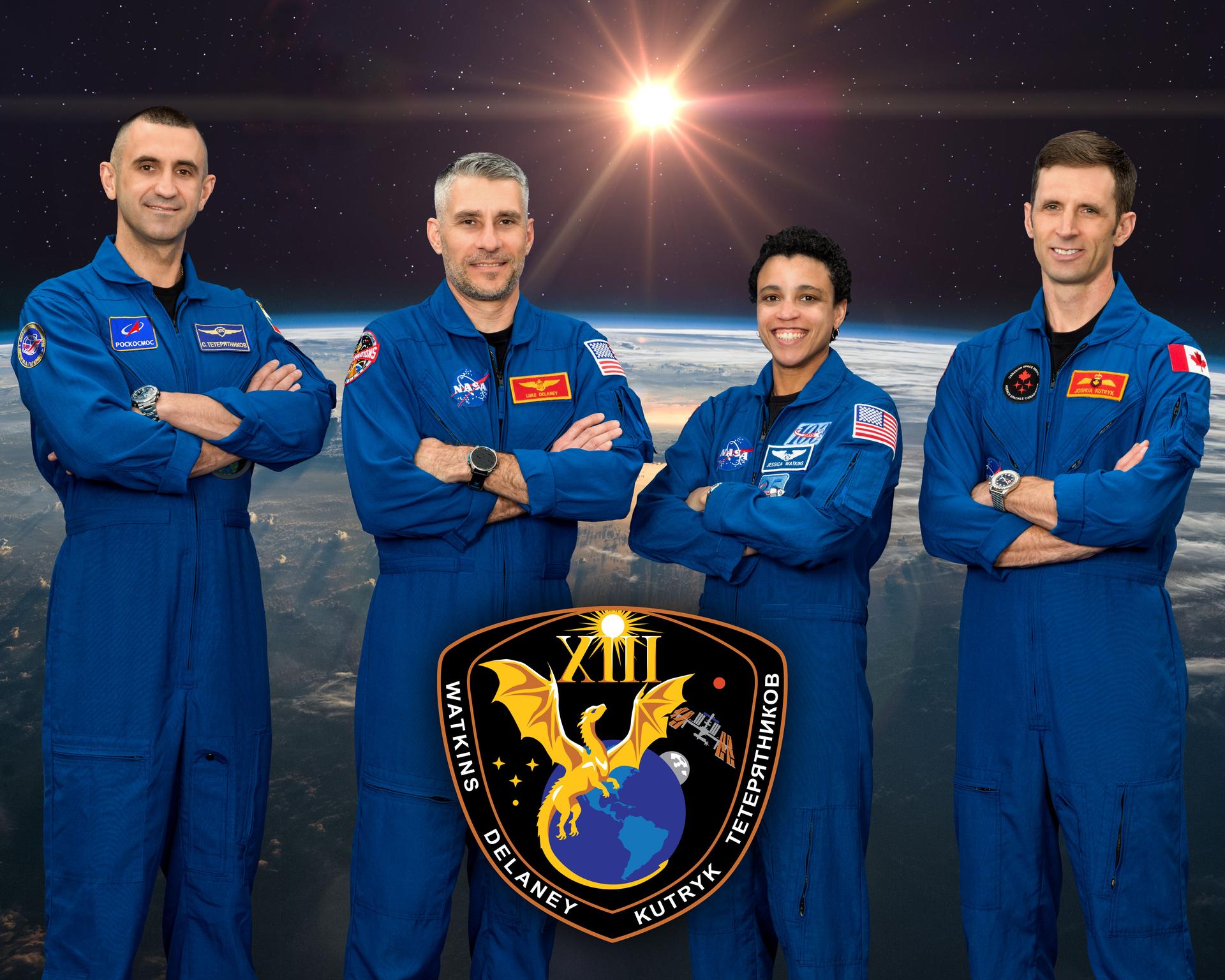
We are watching something significant happen in the aerospace sector that mirrors what we see in the early stages of the AI and crypto infrastructure booms. NASA has announced the schedule for the SpaceX Crew-13 mission, targeting an October 1 launch from Space Launch Complex 40. For the average viewer, this is another cool video of a rocket going up. For builders and founders, this represents the transition from experimental tech to a standardized utility.
When Elon Musk first started talking about reusable rockets and private crewed missions, the general sentiment in legacy engineering circles was skepticism. Today, we are at the thirteenth iteration of a specific mission type. In the world of building products, hitting double digits in successful, repeated deployment is where the real value starts to compound. It is no longer about the novelty of the launch; it is about the reliability of the delivery system.
Infrastructure as a Service: Orbit Edition
The Crew-13 mission is more than just a taxi service for astronauts. It is a validation of the "Infrastructure as a Service" model. NASA is no longer building every single bolt and circuit board for these missions. They are becoming the primary customer of a platform. This is a massive shift in how high-stakes engineering is managed. Instead of a government agency owning the entire stack, they are outsourcing the heavy lifting to a private entity that can iterate faster and cheaper.
For those of us building in the decentralized web or creating AI agents, there is a lesson here about vertical integration versus modularity. NASA realized that they could achieve more by focusing on the science—the application layer—while letting SpaceX handle the transport—the protocol layer. If you are building a startup right now, you need to ask yourself which part of the stack you actually need to own and which parts you should be delegating to established platforms that have already solved the redundancy problems.
Why SLC-40 Matters
The choice of Space Launch Complex 40 at Cape Canaveral is a tactical detail that shouldn't be overlooked. This pad has been heavily upgraded to handle crewed missions, providing a redundant path alongside the historic Pad 39A. In engineering terms, this is about high availability. You don't want a single point of failure in your deployment pipeline. By diversifying launch sites, SpaceX and NASA are ensuring that the cadence of missions to the International Space Station remains steady even if one pad requires maintenance or suffers a technical setback.
Builders often ignore redundancy until something breaks. Whether it's your server architecture or your data sourcing for a large language model, if you rely on a single gateway, you are vulnerable. The aerospace industry learns this through fire and gravity; software founders usually learn it through downtime and lost revenue. Crew-13 is a testament to building a resilient system that can withstand the friction of reality.
The Long Game of Private-Public Partnerships
We often talk about "decentralization" in the context of blockchains, but what we are seeing with NASA and SpaceX is a form of institutional decentralization. The monopoly on space travel has been broken, and the result is a massive acceleration in capability. NASA provides the regulatory framework, the safety standards, and the ultimate objective. SpaceX provides the agility and the hardware.
This framework is exactly what is needed in the AI space right now. We have massive power concentrated in a few hands, but as we see more "private-public" style collaborations between open-source builders and regulatory bodies, the ecosystem becomes healthier. The Crew-13 mission is a reminder that when you align incentives correctly, you can turn a multi-billion dollar government program into a streamlined commercial operation.
The Founder's Takeaway on Iteration
Success in complex fields isn't about one big win; it's about the ability to repeat the process without failure. SpaceX isn't impressive because they launched a rocket once; they are impressive because they are launching Crew-13 while the previous missions are still fresh in the logs. They have built a feedback loop that allows for continuous improvement.
If you are a founder, stop looking for the "moonshot" that changes everything overnight. Look for the system that allows you to launch thirteen times in a row with increasing efficiency. The value is in the repetition. The first launch is a fluke; the tenth launch is a business; the thirteenth launch is an industry standard.
Final Thoughts for the Builder Community
As the live stream starts on October 1, don't just watch the flames and the zero-G indicators. Look at the logistical coordination required to dock a private vessel with a multinational space station. Look at the communication protocols and the safety redundancies. This is the ultimate case study in systems engineering.
We are entering an era where the barrier to entry for "impossible" projects is dropping because the underlying infrastructure is being commoditized by companies like SpaceX. Your job is to find the next International Space Station—the next big objective that can be reached now that the transport is taken care of. Whether that is in the digital realm or the physical one, the blueprint is the same: build for reliability, embrace modularity, and never stop iterating.
Read the original at NASA Breaking News →