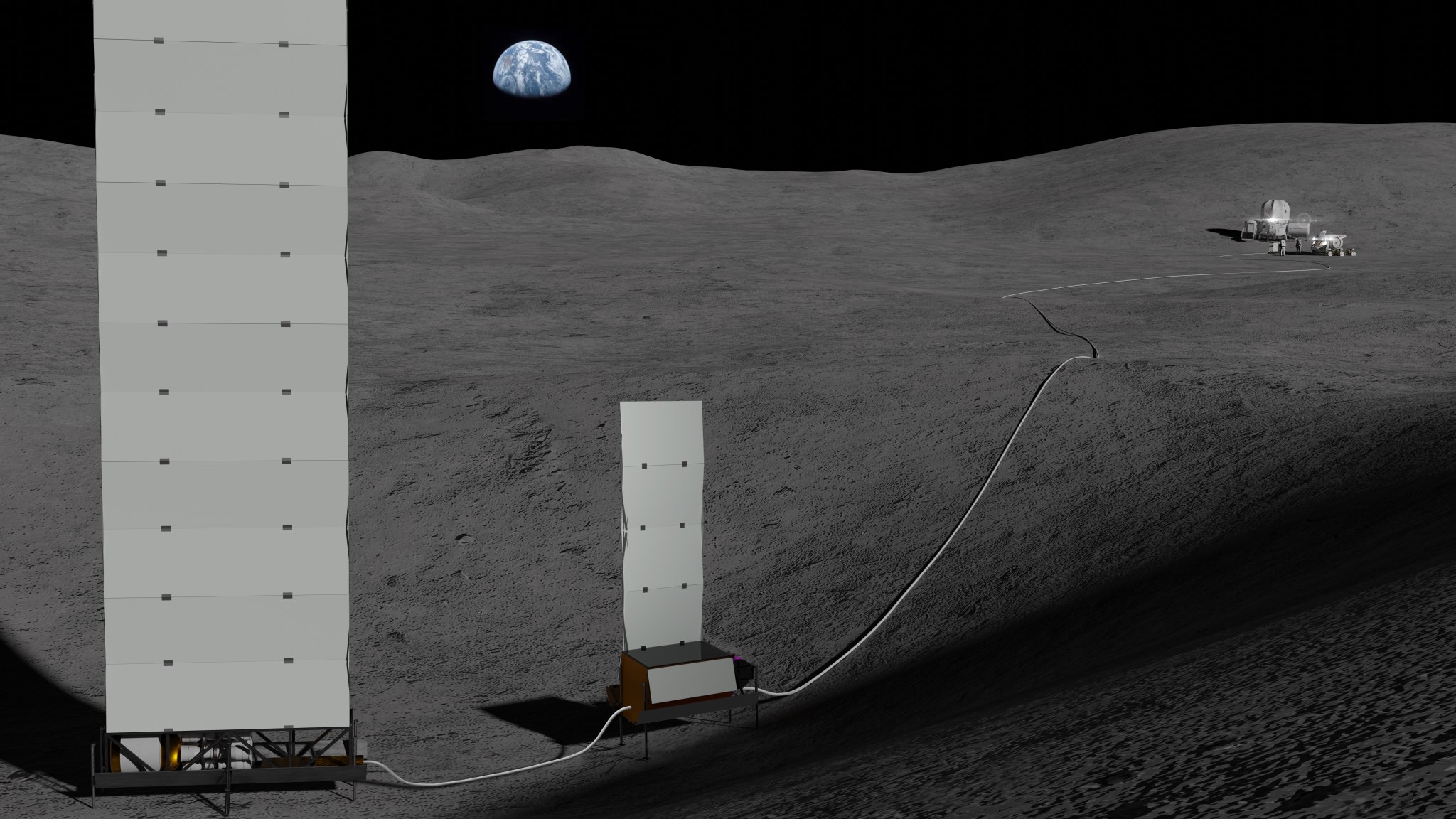
We talk about building in public, but building in a vacuum is a different beast entirely. NASA just signaled that the era of experimentation on the moon is transitioning into the era of infrastructure. They are looking for industry partners to design and deploy Lunar Reactor-1 (LR-1), a small-scale nuclear fission system. This isn't about planting flags; it is about keeping the lights on in a place where the sun doesn't shine for two weeks at a time.
The Logistics of Survival
If you are building a startup, your biggest threat is running out of cash. On the moon, the biggest threat is running out of juice. Solar power is the go-to for satellites, but the lunar cycle presents a massive engineering hurdle: the lunar night. For 14 days, you are in total darkness. Traditional batteries are heavy, inefficient, and don't play well with the extreme temperature swings of the lunar surface. If we want a permanent presence, we need a baseload power source that doesn't care about the sun.
Nuclear fission is the only logical choice. NASA is targeting a 40-kilowatt output, which is roughly what it takes to power about 30 average American homes. That might sound small, but in the context of a lunar outpost, it is the difference between a tomb and a laboratory. It provides the consistent thermal energy needed to keep electronics from freezing and the electricity required to process lunar soil into oxygen or water.
Why Builders Should Care
For the crypto and AI crowd, this might seem like a hardware problem for the defense contractors. It isn't. Space infrastructure is becoming a decentralized frontier. When NASA moves from government-designed hardware to "industry partners," they are creating a marketplace. This is a call for modularity and reliability.
Think about the requirements here. This reactor has to launch on a commercial rocket, land itself, and operate autonomously for at least a decade without a human being there to turn a wrench or swap a filter. That is a massive opportunity for the AI and robotics sectors. We aren't just sending a reactor; we are sending a complex, self-managing edge computing node that just happens to be powered by uranium.
The Trust Layer
This is where the skepticism kicks in. Space programs are notorious for scope creep and budget bloat. However, the shift toward public-private partnerships (like what we saw with SpaceX and the ISS) changes the incentive structure. By asking industry to lead the design, NASA is betting that competition will drive down costs and drive up innovation.
The tech stack for a lunar reactor requires extreme transparency in telemetry and automated governance. You cannot have a "black box" system when dealing with nuclear material on a shared lunar surface. This is a prime use case for immutable logging—ensuring that the data coming back from these reactors is verified and hasn't been tampered with. If we are going to manage a power grid on another celestial body, we need a trustless system for energy accounting.
The Long Game
NASA's goal is to have this system ready for a demonstration by the late 2020s. In builder time, that is a lifetime. In infrastructure time, that is tomorrow. The LR-1 is meant to be the blueprint for more powerful systems that could eventually support Mars missions.
For founders, the takeaway is simple: the "Space Economy" is graduating from a buzzword to a series of concrete engineering requirements. We are moving past the launch phase and into the habitation phase. If you are building autonomous systems, hardened hardware, or decentralized monitoring tools, your market just expanded by 238,000 miles.
The moon is no longer a destination; it is becoming a platform.
We see this pattern in every tech cycle. First comes the hardware, then the infrastructure, then the applications. We are firmly in the infrastructure phase now. The companies that win this bid won't just be building a reactor; they will be setting the standard for how power is managed off-planet for the next century.
The Reality Check
Let's be honest: building a nuclear reactor in your backyard is a regulatory nightmare. Doing it on the moon is a logistical one. There are massive risks involving launch failures, radiation shielding, and the geopolitical optics of putting nuclear material in orbit. NASA is essentially asking for a foolproof, indestructible, self-operating power plant. It’s an audacious ask.
But the alternative is staying stuck in Earth's orbit. If we want to be a multi-planet species, we have to solve the energy problem. Fission is the most energy-dense solution we have. It is the bridge between where we are and the fusion-powered future we all like to tweet about.
The Bottom Line
NASA's call for partners is a localized signal of a global trend. Government agencies are no longer the sole gatekeepers of technological progress; they are becoming the facilitators for private builders. If you are watching the space sector, stop looking at the rockets and start looking at the power grid. That is where the real value—and the real survival—will be determined.
Read the original at NASA Breaking News →