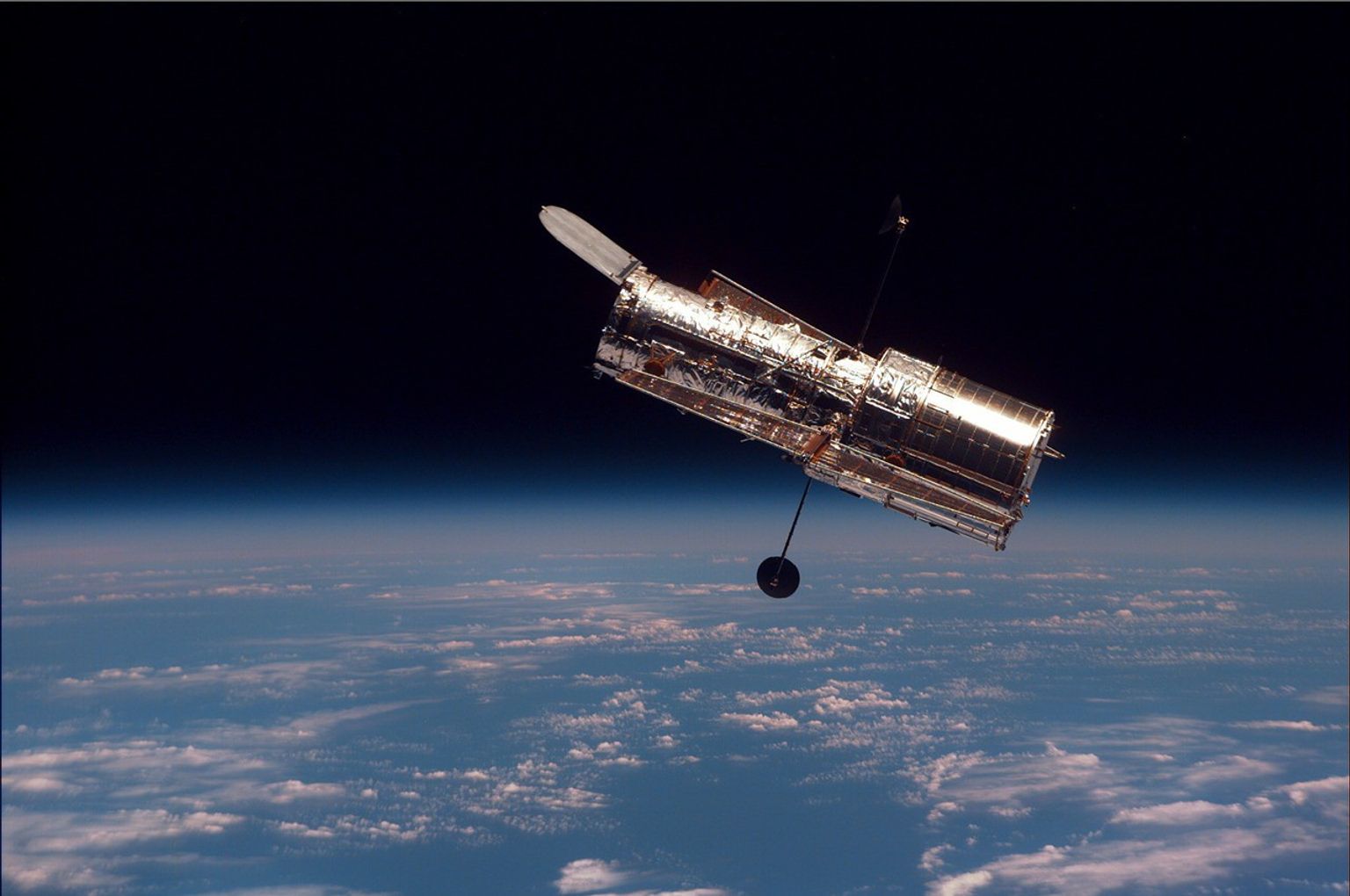
NASA just signaled something big for the future of space hardware. After decades of handling everything in-house, the agency is now looking to the private sector to figure out how to keep the Hubble Space Telescope alive. They recently issued a Request for Information (RFI) to see if commercial companies have the tech to service, boost, or otherwise maintain the telescope in orbit. This isn't just a maintenance request; it is a fundamental shift in how we think about expensive assets in low Earth orbit.
The Hubble Problem
Hubble has been up there since 1990. It is a legendary piece of tech, but it is old. Its orbit is decaying, and its hardware is showing its age. In the past, NASA sent the Space Shuttle and government-trained astronauts to fix it. But the shuttle is gone, and the current cost of a bespoke government mission just to boost a telescope's altitude is becoming hard to justify when compared to newer projects like the James Webb Space Telescope.
For years, the consensus was that when Hubble dies, it dies. We would let it burn up in the atmosphere or intentionally de-orbit it. But the rise of private space companies like SpaceX, Blue Origin, and a host of smaller satellite-servicing startups has changed the math. NASA is basically asking: why should we pay for the whole bill when the commercial sector might be able to do it cheaper and more efficiently?
The Founder Perspective: Infrastructure as a Service
If you are building in the tech or crypto space, this looks familiar. It is the move from "on-premise" to the "cloud." NASA is effectively trying to outsource the heavy lifting of physical infrastructure maintenance to specialized vendors. For a builder, this is the ultimate validation of the commercial space industry. It means NASA no longer views private companies just as taxi drivers for cargo, but as sophisticated engineers capable of handling the most sensitive scientific instruments in history.
The RFI covers a lot of ground. They want to know about station-keeping, debris mitigation, and even potential instrument upgrades. This is where it gets interesting for those of us focused on decentralized systems and AI. Maintaining a telescope in vacuum requires high levels of autonomous robotics. You can't have a human joy-sticking a delicate repair with a three-second lag. You need edge-computing, highly specialized AI vision, and robust robotics.
Why Builders Should Care
This isn't just about space geeks. It is about the commoditization of high-stakes environments. If a private company can successfully service Hubble, the barrier to entry for other orbital businesses drops significantly. We are looking at the birth of a genuine "in-space economy."
- Serviceable Hardware: We are moving away from the "disposable" era of satellites. If you can fix it, you can capitalize it longer.
- Robotic Autonomy: The software required to dock with a non-cooperative, aging satellite without crashing into it is the ultimate stress test for AI.
- New Markets: If Hubble can be serviced, so can the thousands of other satellites currently orbiting Earth. This creates a massive secondary market for maintenance, refueling, and upgrades.
As someone who looks at these things through a founder's lens, I see a massive opportunity for startups that don't even own a rocket. The companies that will win here are the ones building the "connectors"—the docking interfaces, the specialized robotic arms, and the software that manages these interactions.
The Risks of the Commercial Pivot
We have to be skeptical, though. When you move from government oversight to commercial profit motives, the incentives change. NASA’s primary goal is science. A private company’s primary goal is ROI. If a servicing mission goes wrong and knocks Hubble out of orbit, who is liable? How do you price the risk of destroying a multi-billion dollar piece of human history?
There is also the question of proprietary tech. If a company develops a secret way to dock with old satellites, do they become the gatekeepers of the orbital commons? We’ve seen this play out in the software world with big tech monopolies. We don't want a "walled garden" in space where only one company has the keys to fix the hardware we all rely on for communication and science.
The transition from government-led exploration to a commercial service model is the most significant pivot in the history of aerospace. It turns space from a frontier into a marketplace.
What This Means for the Future
This RFI is just a feeler, but it marks the end of an era. The days of NASA doing everything themselves are over. For founders, this is the green light. The "space stack" is being built right now, and the middle layers—the servicing, the logistics, the maintenance—are wide open.
We are seeing the same patterns we saw in the early days of the internet. First, the government builds the backbone. Then, they invite the private sector to come in and make it scalable. Hubble is the backbone. The commercial servicing missions will be the scalable applications that keep the lights on.
If you’re a builder, don’t look at the rocket launches. Look at the maintenance contracts. Look at the software that keeps the machines running when there are no humans around to flip the switches. That’s where the real value is going to be created in the next decade.
The Takeaway
NASA is no longer the sole operator of the final frontier; they are becoming a customer. For the private sector, servicing Hubble is the ultimate proof-of-concept. If you can handle a thirty-year-old telescope without breaking it, you can handle anything. This is the moment when space infrastructure finally starts to look like a real business.
Read the original at NASA Breaking News →