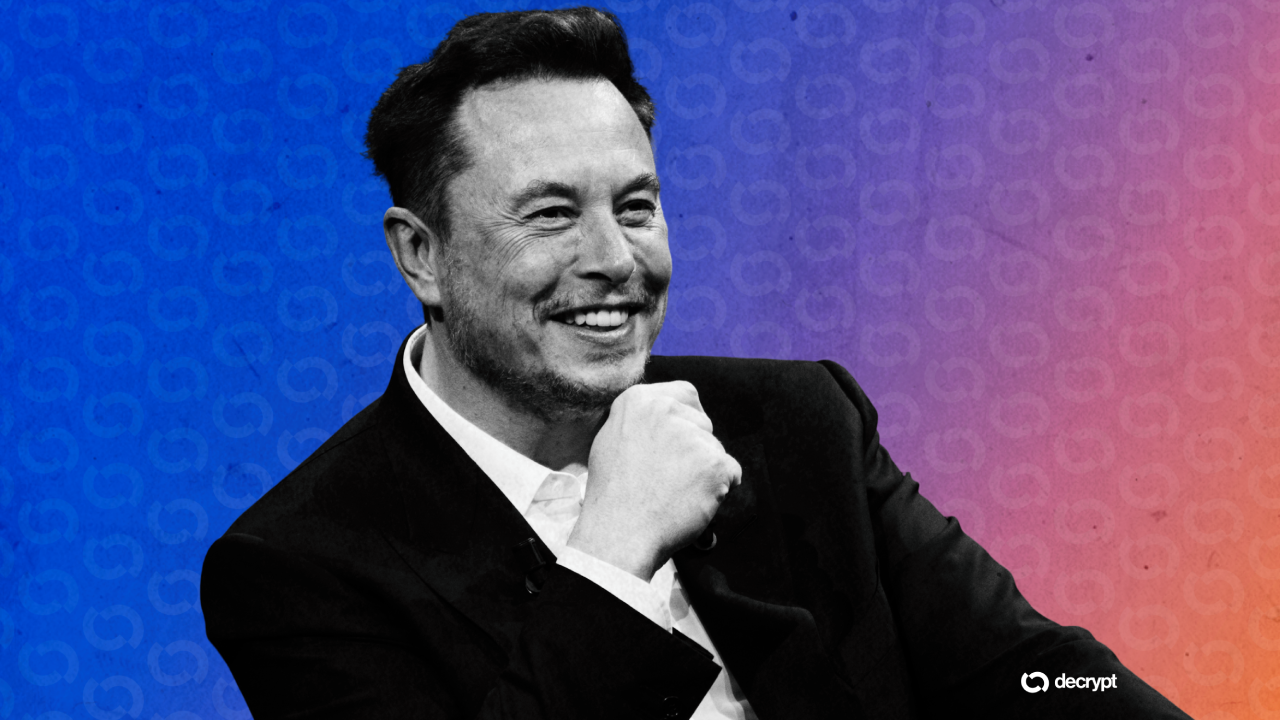
Elon Musk is back to moving magnets around on his whiteboard. The latest play isn't just about streamlining rocket parts and electric vehicles; it is a structural play that could create one of the most significant Bitcoin treasuries on the planet. By exploring a potential merger between Tesla and SpaceX, Musk is looking at consolidating a massive pile of digital assets onto a single balance sheet.
The Math of the Consolidation
Let's look at the numbers without the usual social media noise. Tesla currently holds approximately 11,509 BTC. SpaceX, which has kept its books a bit closer to the chest as a private entity, reportedly holds about 18,712 BTC. Together, we are talking about a combined stash of over 30,000 Bitcoin. At current market valuations, that is a war chest worth roughly $2.5 billion.
For those of us building in the space, this isn't just a fun fact for the news cycle. It represents a shift in how large-scale corporate entities view crypto as a foundational pillar of their treasury, rather than just a speculative side-bet. When two of the most technically advanced companies in history decide to pool their Satoshi holdings, the market takes notice.
Why a Merger Matters for Bitcoin
When Bitcoin is scattered across multiple entities, its impact on the corporate world is diluted. A merger simplifies the narrative. A combined Tesla-SpaceX entity would instantly become one of the top five corporate holders of Bitcoin globally, rivaling the likes of MicroStrategy. For a founder, the takeaway here is about risk management and administrative efficiency.
Managing crypto at a corporate level is a headache. You have different custody solutions, different reporting standards, and different tax implications for private versus public entities. By rolling these holdings into one, Musk is effectively cleaning up the balance sheet. It turns a fragmented strategy into a singular, massive vote of confidence in digital scarcity.
The Founder Perspective: Skepticism is Healthy
I have spent enough time in the trenches to know that when Musk talks about mergers, there is always more to the story than just synergy. Merging a public company like Tesla with a private giant like SpaceX is a legal and regulatory minefield. The boards of both companies have reportedly formed committees to weigh the tie-up, but do not expect this to happen overnight.
From a builder's perspective, this looks like an attempt to leverage the cash flow and public market access of Tesla to fuel the capital-intensive ambitions of SpaceX. Bitcoin happens to be the common denominator between the two. If you are building a startup, you should be looking at how you can use digital assets to bridge the gap between your different ventures, but you must be wary of the regulatory overhead that comes with it.
The Infrastructure Play
We often talk about Bitcoin as digital gold, but for Musk, it seems to be more about liquidity and independence from traditional banking constraints. If these companies merge, the combined entity has a global, permissionless asset that can be moved or leveraged without waiting for a bank to open on Monday morning. That is a massive operational advantage for a company trying to colonize Mars while simultaneously revolutionizing terrestrial transport.
The technical challenges of this merger are significant. You have different stakeholders, different debt structures, and vastly different mission timelines. However, the Bitcoin component is the easiest part to move. It is the one asset class that doesn't care about the legal jurisdiction or the private-to-public transition. It just exists on the ledger.
What Builders Should Watch
If you are an AI founder or a crypto dev, pay attention to the custody transition. How does a multi-billion dollar entity migrate its keys? What kind of transparency will they offer to shareholders? If Musk pulls this off, he sets a new standard for how large-cap companies interact with decentralized assets.
- Treasury Management: Consolidation reduces the overhead of managing multiple wallets and security protocols.
- Market Influence: A single entity holding 30,000 BTC has more weight in lending and borrowing markets than two separate entities.
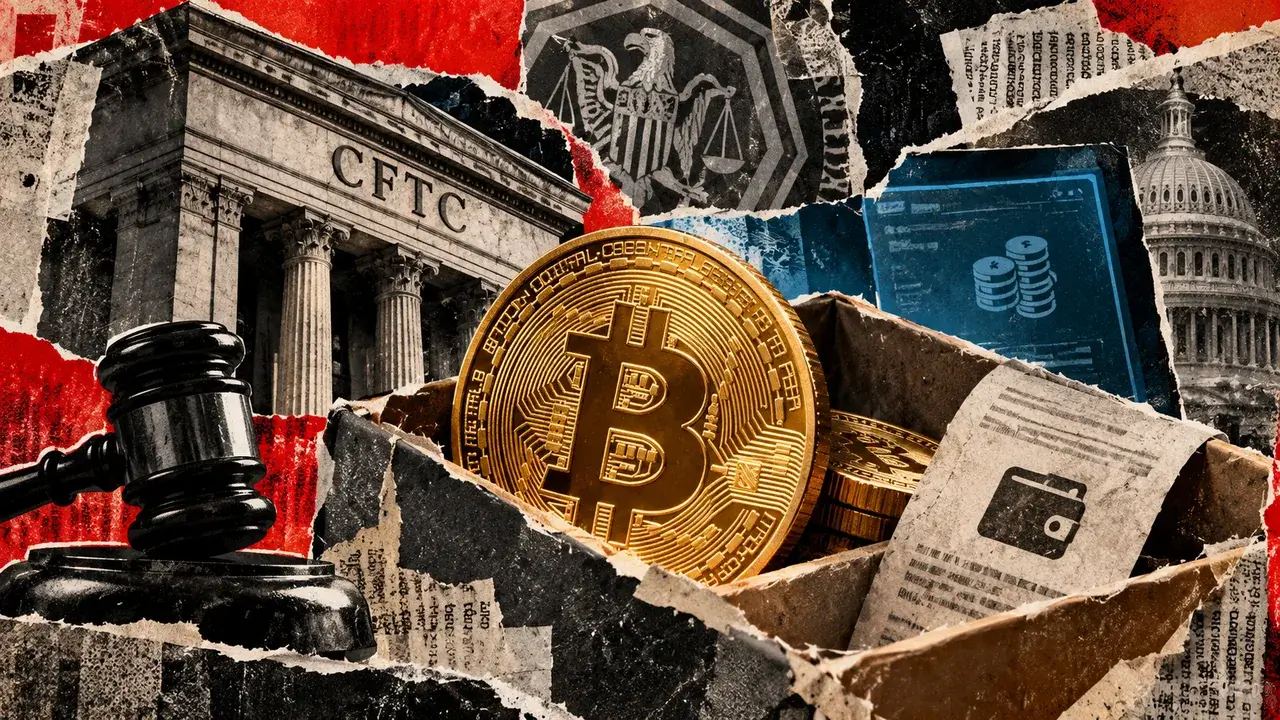
- Regulatory Precedent: This merger will force the SEC and other bodies to clarify how Bitcoin is treated during complex corporate restructurings.
The Reality Check
We should remain skeptical. A merger of this scale is often discussed and rarely executed perfectly. There are massive conflicts of interest to navigate, especially for Tesla shareholders who might not want the high-risk profile of SpaceX on their books. But the Bitcoin element is a signal that cannot be ignored. It shows that even at the highest levels of global industry, digital assets are becoming the glue that holds disparate business units together.
Musk is playing a long game. While the rest of the world is focused on the next quarter's earnings, he is looking at how to build a self-sustaining financial ecosystem that can survive across planets. Bitcoin is the only currency that fits that vision. As builders, we should be looking at our own stacks and asking: is our treasury built for the next decade, or just the next month?
The combination of Tesla and SpaceX's Bitcoin holdings would create a treasury behemoth that changes the way we think about corporate crypto adoption.
The lesson here is simple: consolidation equals power. If you are building in AI or crypto, think about how your assets are distributed. Are you making it easy for your future self to manage growth, or are you creating a fragmented mess that will require a committee to fix later? Musk is cleaning house, and the Bitcoin pile is the biggest broom in the closet.
Read the original at Decrypt →