The Anatomy of a Slow Burn
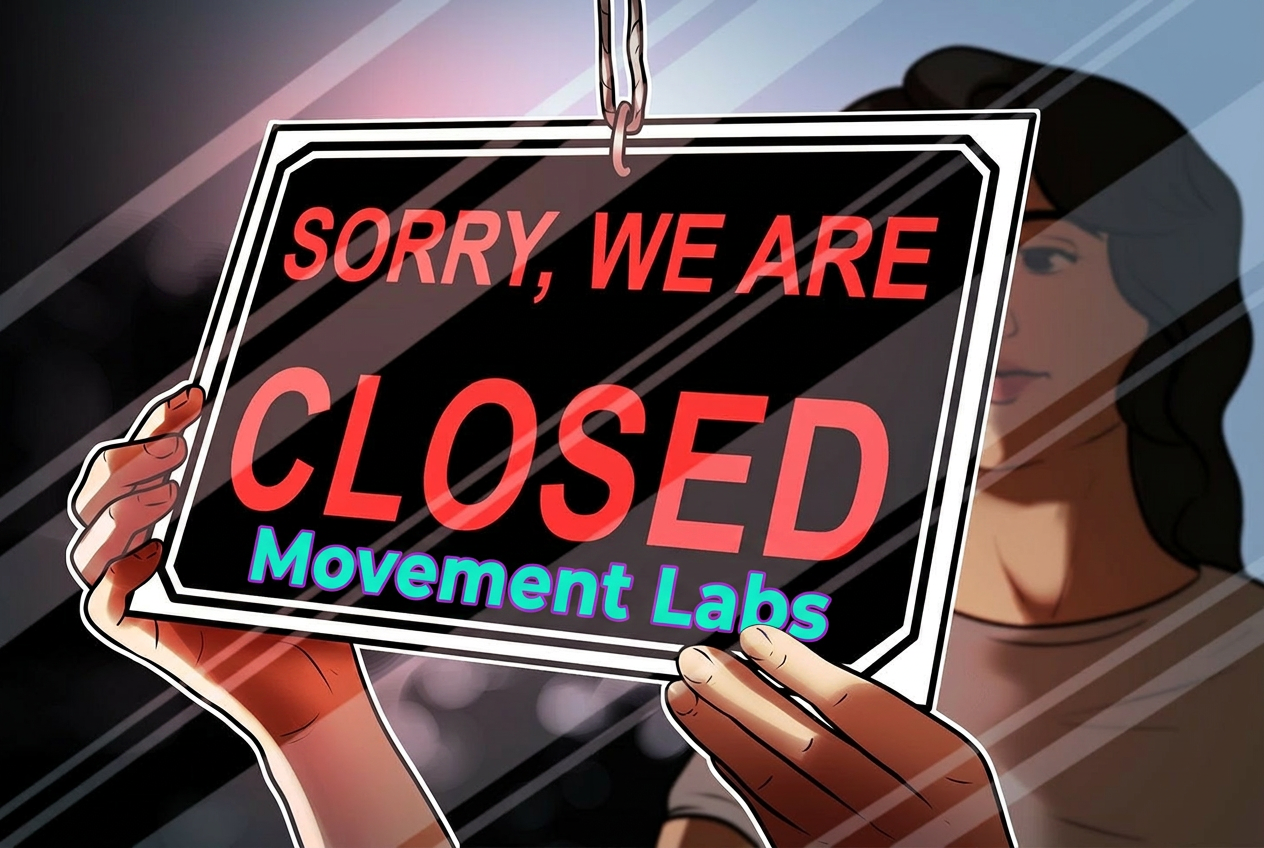
Building in public is hard. Building in crypto is a nightmare when you mix unproven code with market-making scandals. Movement Labs, a project that was once the poster child for the Move programming language expansion, has officially hit the wall. The news that they have filed for Chapter 11 bankruptcy isn't just a corporate failure; it is a case study in what happens when the pressure to maintain token liquidity overrides the need for sound governance.
For those who have been heads-down building, Movement Labs was supposed to be the bridge between the security of Move and the massive ecosystem of Ethereum. It was a big promise. But over the last few months, that promise was buried under a pile of delistings, internal suspensions, and a market-making strategy that blew up in everyone's face. Now, they are operating under court supervision, trying to figure out if there is a way to save the tech from the wreckage of the business.
The Market Making Trap
If you have been around the sector for a while, you know the drill with market makers. Founders often see them as a necessary evil to ensure their token isn't a volatile mess on day one. But in the case of the MOVE token, the relationship seemed to go south almost immediately. Market making isn't just about providing liquidity; it is about trust. When the numbers don't add up and exchanges start pulling the plug, the project is basically dead in the water.
The turmoil surrounding the MOVE token wasn't just a price drop. It was a fundamental breakdown in how the project managed its treasury and its partners. When major exchanges delist a token, it is usually the final signal that the backend operations are a mess. For Movement Labs, the delistings were the dominoes that led directly to the courthouse. As a founder, you have to ask yourself if the artificial stability provided by these firms is actually worth the risk of a total collapse.
The Human Cost of Governance Failures
One of the most telling signs of the internal rot was the suspension of a co-founder. In a startup, the founding team is the bedrock. When that starts to crack, everything else is just window dressing. While the specific legal details of the suspension and the following scandal are still coming to light through the bankruptcy filings, the narrative is clear: internal friction and external market pressures created a vacuum of leadership.
This is where builders need to pay attention. You can have the best tech in the world—and many argue that Move is a superior language for smart contracts—but if your cap table and your executive suite are a disaster, the code doesn't matter. Bankruptcy court is a cold place for a tech visionary. It means a judge, not the community or the founders, is now making the calls on how the remaining assets are handled.
What This Means for the Move Ecosystem
Does this kill the Move language? No. Meta’s legacy lives on in Sui and Aptos. But it does put a massive dent in the idea that a Layer 2 solution for Move on Ethereum is a slam dunk. Movement Labs was trying to solve a hard problem, but they did it while carrying too much baggage. For developers who were building on top of their infrastructure, this is a wake-up call to look at the financial health of your stack providers as much as their GitHub activity.
The bankruptcy filing suggests that they want to restructure and keep the lights on. They want to keep the developers. But trust is the one thing you can't buy back in a restructuring deal. Once the market sees a project spiral into Chapter 11 due to "turmoil," the talent usually starts looking for the exits. Movement Labs now has the impossible task of convincing builders to stay while they argue with creditors in a courtroom.
A Founder’s Perspective on Chapter 11
Chapter 11 is often called a "fresh start," but in crypto, it's usually the beginning of the end. We've seen this story before with lenders and exchanges. The process is expensive, slow, and completely strips away the agility that a startup needs to survive in this fast-moving space. While the company claims they will continue operating, the reality is that their focus is no longer on shipping code; it's on filing paperwork.
The MOVE token's collapse and the subsequent legal filings show the danger of the "token-first" mentality. When the token is the product, and that token fails, you have no product. If Movement Labs had focused more on the core infrastructure and less on the optics of the MOVE token's market position, they might not be in this mess. It’s a harsh lesson in priorities.
Looking Ahead
The next few months will reveal the true state of Movement Labs' balance sheet. We will see exactly how much of their capital was tied up in bad deals and how much is left to actually support the network. If you're a builder, the takeaway is simple: diversify your dependencies. Don't let your project be collateral damage because a core provider couldn't manage their market makers or their internal team.
We need more founders who are skeptical of the hype and more focused on the boring stuff—compliance, treasury management, and honest governance. Movement Labs is a reminder that in the world of crypto, your biggest threat isn't the competition or the bears; it's usually the person in the mirror and the deals you make in the dark.
- Market makers are not your friends; they are service providers with their own agendas.
- Internal governance issues will always manifest as external market failures.
- Chapter 11 is a slow death for most startups; expect a massive talent drain.
- Technological superiority doesn't protect you from bad business decisions.
Read the original at Cointelegraph →