The Retail Giant Builds a Base
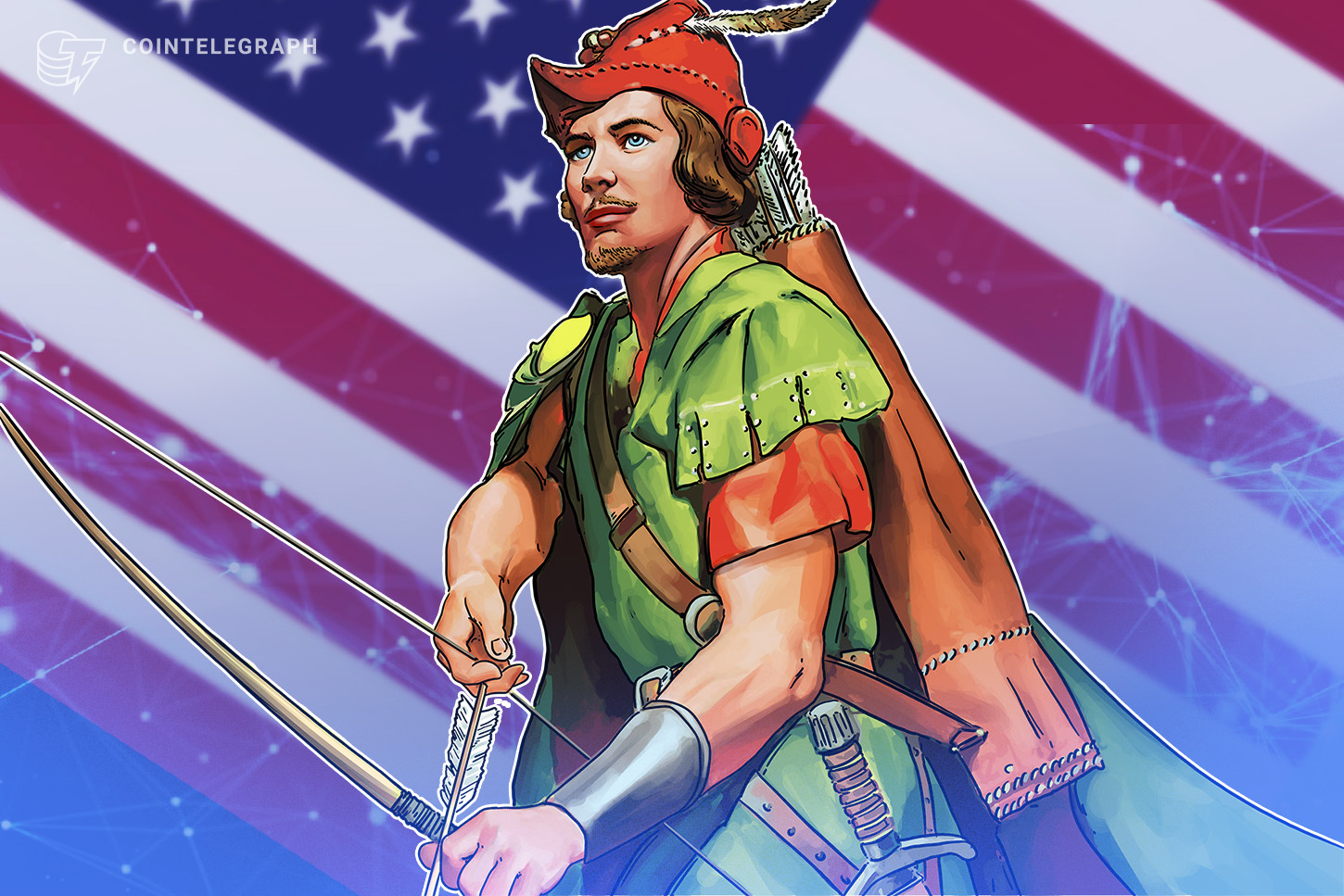
Robinhood is finally doing what we all knew they would eventually do: they are building their own rails. For years, the company has operated as a shiny interface sitting on top of legacy financial plumbing and third-party crypto providers. But with the launch of the Robinhood Chain, the mask is coming off. They are no longer just a brokerage; they are trying to become an ecosystem provider.
As a builder, you have to look at this move through a specific lens. This isn't just another Layer 2 or a marketing gimmick. This is a company with millions of retail users, many of whom have never touched a non-custodial wallet, deciding that they need to own the settlement layer. It is a massive bet on vertical integration. In the crypto world, we talk a lot about decentralization, but for a company like Robinhood, this is about efficiency, cost reduction, and ultimately, keeping users locked into their specific garden.
If you have been building in this space for a while, you know that the biggest hurdle for crypto has always been the transition from fiat to on-chain. Robinhood has already solved the user acquisition side. Now, they are solving the environment side. By launching their own chain, they can potentially eliminate many of the fees and delays associated with moving assets between different protocols. It makes their platform feel faster and cheaper, even if it moves further away from the original cypherpunk ethos of open, permissionless networks.
Circle and the Institutional Seal of Approval
While Robinhood is building out the tech stack, Circle is busy securing the regulatory stack. The news that Circle has secured a national bank charter is a seismic shift. For the longest time, stablecoin issuers have been treated like weird hybrids—part tech company, part unregulated money transmitter. Getting a national bank charter changes the math entirely.
This move provides USDC with a level of legitimacy that USDT or other offshore stablecoins simply cannot match in the eyes of a conservative Chief Financial Officer or a traditional hedge fund manager. A 10% jump in valuation following this news isn't just market noise; it is an acknowledgement that Circle is now a legitimate peer to the big banks. For those of us building DeFi protocols or payment gateways, this is a double-edged sword. On one hand, it brings massive liquidity and trust. On the other, it means USDC is now firmly under the thumb of the federal regulatory apparatus.
I have always been a bit skeptical of the 'bank-grade' branding many crypto companies use. Usually, it's just marketing fluff. But a charter is real. It means audits, reserve requirements, and oversight. For a builder, this means you can probably stop worrying about Circle disappearing overnight like some of the algorithmic stablecoins of years past. It also means you need to be prepared for stricter compliance requirements if you want to integrate their products deeply into your stack.
The Clarity Act and the Regulatory Clock
Finally, we have the latest draft of the Clarity Act. This is the piece of legislation that is supposed to finally tell us which assets are securities and which are commodities. The clock is ticking, and the industry is desperate for a win here. Without clear rules, building in the United States remains a game of regulatory roulette.
The current draft reflects a growing realization in Washington that crypto isn't going away. However, I’ve seen enough 'pro-innovation' bills turn into restrictive nightmares once they hit the floor. The skepticism I hold here is based on history. Every time the government tries to define 'clarity,' they usually end up creating more paperwork and more barriers to entry for the small developer who doesn't have a million-dollar legal team on retainer.
For founders, the goal right now is to stay nimble. We are in a transitional phase where the titans like Robinhood and Circle are setting up the fences. If you are building a dApp or a new protocol, you need to decide if you are going to live within those fences or build something that exists entirely outside of them. The middle ground is disappearing fast.
What This Means for the Builders
We are entering the era of 'Corporate Crypto.' It’s not as exciting as the early days of anonymous developers and experimental protocols, but it is where the real money is moving. If you are a founder, you should be asking yourself how your project interacts with these centralized-but-on-chain entities. Are you a competitor or a component?
- Infrastructure over Hype: Robinhood’s chain reminds us that ownership of the network is the ultimate power move.
- Regulatory Moats: Circle’s bank charter shows that the winners in the next cycle will be those who can navigate the legal system as well as they navigate the code.
- Integration is Key: Don't fight the giants; find the gaps they leave behind. Large gatekeepers always leave niches for specialized, faster-moving teams.
The headline might be about a chain exploding onto the scene, but the real story is the consolidation of power. We are seeing the infrastructure for the next decade of finance being built in real-time. Whether that excites you or concerns you depends on why you got into this industry in the first place.
The Takeaway
The biggest players in finance are tired of waiting for the crypto industry to mature, so they are building their own version of it. Robinhood’s chain and Circle’s charter are signs that the 'wild west' phase of crypto is ending. The new frontier is about scale, compliance, and institutional integration. As a founder, your job is to figure out if you want to help them build their world or keep trying to build a better one.
Read the original at Decrypt →