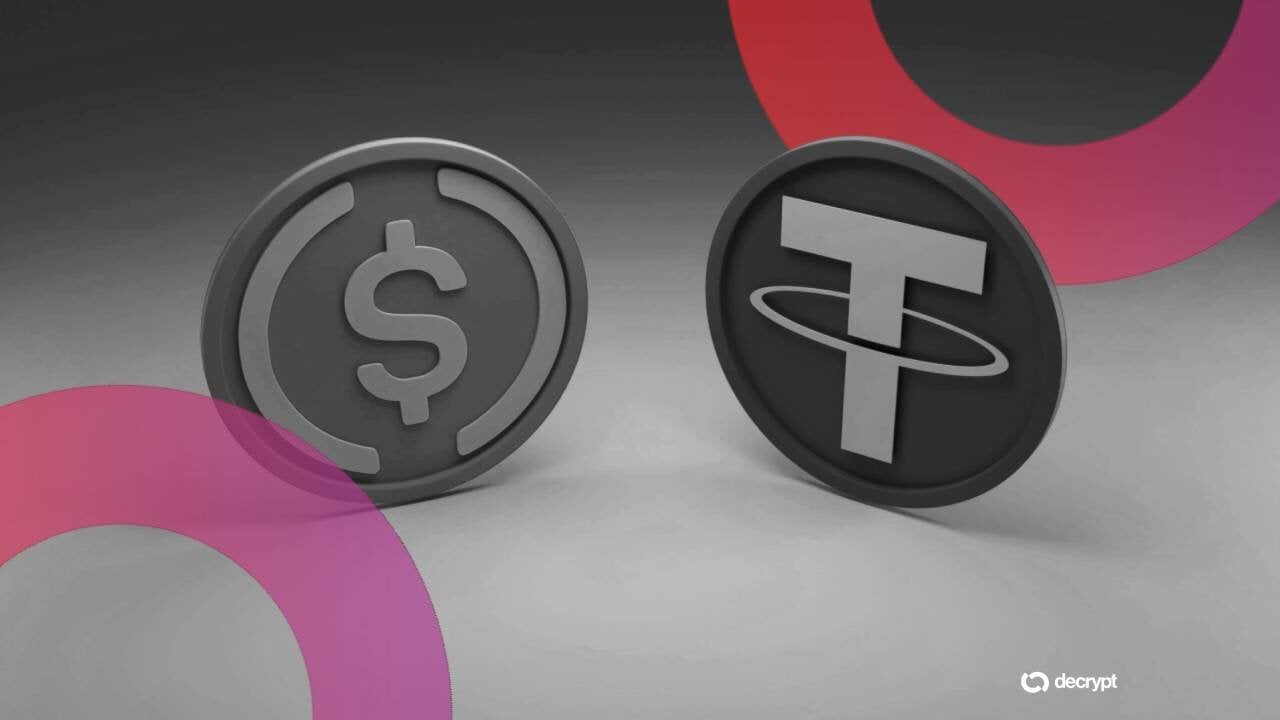
Stablecoins have always been the most functional part of crypto. While everyone else was chasing dog tokens or digital art, the stablecoin markets were quietly rebuilding the plumbing of the global financial system. But the hierarchy has been stagnant for a long time. Tether and Circle have held the keys to the kingdom while everyone else fought for crumbs. That is changing now.
The Arrival of Open USD
A new contender, Open USD, is stepping into the arena. Normally, a new stablecoin launch is a non-event. We see them every week. Most of them lack liquidity, trust, or a reason to exist beyond being a vanity project for a specific protocol. This one is different because of who is standing behind it. When you see names like Visa, Mastercard, and Google in the cap table or the partnership list, you have to stop looking at this as another crypto project and start looking at it as an institutional takeover of the settlement layer.
These companies do not care about decentralization maximalism. They care about efficiency, reach, and regulatory compliance. They want a version of the US dollar that moves at the speed of the internet without the friction of the legacy banking rails. For builders, this signals a shift in where the money is going to flow in the next development cycle.
Why the Incumbents Should Be Nervous
Tether has survived everything thrown at it, largely because it had a massive head start and became the default liquidity pair for offshore trading. Circle's USDC became the choice for the semi-regulated, Western-facing DeFi apps. But both of these incumbents rely on a world where crypto is an island. Open USD is built for a world where the island is being bridged to the mainland.
Visa and Mastercard already control the endpoints of global commerce. If they decide to prioritize a specific stablecoin for settlement, they can manufacture utility overnight that Tether could never dream of. We are talking about millions of physical merchant locations suddenly having a direct path to a digital dollar that bypasses traditional settlement delays. This is not about trading on Uniswap; this is about paying for coffee and settling supply chain invoices.
The Founder Perspective: Built-in Distribution
As a founder, I have always said that distribution is harder than product. You can build the most elegant smart contract in the world, but if nobody uses it, it is just expensive code. Open USD is launching with a distribution network that is already baked in. Google's involvement suggests a cloud-level integration that could make this the default treasury asset for web2 companies moving into web3.
- Payment Rails: Integration with existing credit networks means less friction for on-ramping.
- Enterprise Trust: CFOs who are scared of USDT will feel much more comfortable with a product backed by the brands they already pay for services.
- Regulatory Guardrails: Expect this to be the most compliant, audited, and potentially restricted asset in the space.
The Trade-off: Permissionless No More
There is a catch, and we need to be honest about it. The more institutional a stablecoin becomes, the less it belongs to the crypto ethos. If Google and Visa are involved, you can bet there is a kill switch. There will be blacklists. There will be heavy KYC requirements for anyone interacting with the core issuance. This is the professionalization of the industry, but it comes at the cost of the permissionless nature we used to value.
For builders, this creates a fork in the road. Are you building for the underground, permissionless economy, or are you building for the mass-market financial future? Open USD is clearly aiming for the latter. If your app relies on being able to move value without asking for permission, this asset might not be for you. But if you are building a fintech app that needs to scale to millions of normal users, this is likely the rail you will be forced to use.
What Builders Should Do Now
Do not go out and pivot your entire roadmap today. But do start looking at how your treasury and your payment flows are structured. We are entering an era of "Stablecoin Diversification." Relying solely on one issuer is becoming a massive platform risk. If you are building in the payments space, you need to be looking at the API documentation for these institutional coins now.
The era of stablecoins as mere trading pairs is ending. We are moving into the era of stablecoins as actual currency, and that means the giants are finally taking the steering wheel.
The incumbents are not going to disappear overnight. Tether has too much momentum, and Circle is too deeply embedded in the current DeFi stack. However, the growth ceiling for those assets is now being capped by the entrance of the legacy giants. The pie is getting bigger, but the slices are being reallocated.
The Final Takeaway
The launch of Open USD is a signal that the "toy" phase of crypto is over for the big players. They are no longer experimenting with pilots; they are launching infrastructure. For those of us building in the trenches, it means more stability and more distribution, but also more rules. It is a cynical trade-off, but it is the one that leads to the mass adoption everyone keeps claiming they want. Watch the movement of the big three—Visa, Mastercard, and Google—very closely. They don't play to lose.
Read the original at Decrypt →