The Old Guard Stops Fighting the Tape
For years, the narrative in legacy finance was one of slow-moving disdain. We saw the big banks call crypto everything from a scam to a speculative bubble. But retail demand is a stubborn thing. It doesn't go away just because a CEO or an analyst gives a stern warning on CNBC. Eventually, the pressure to maintain market share forces the hand of the industry titans. Morgan Stanley, through its E-Trade platform, is the latest to buckle, but they are doing it in a way that reveals a lot about the current state of fintech infrastructure.
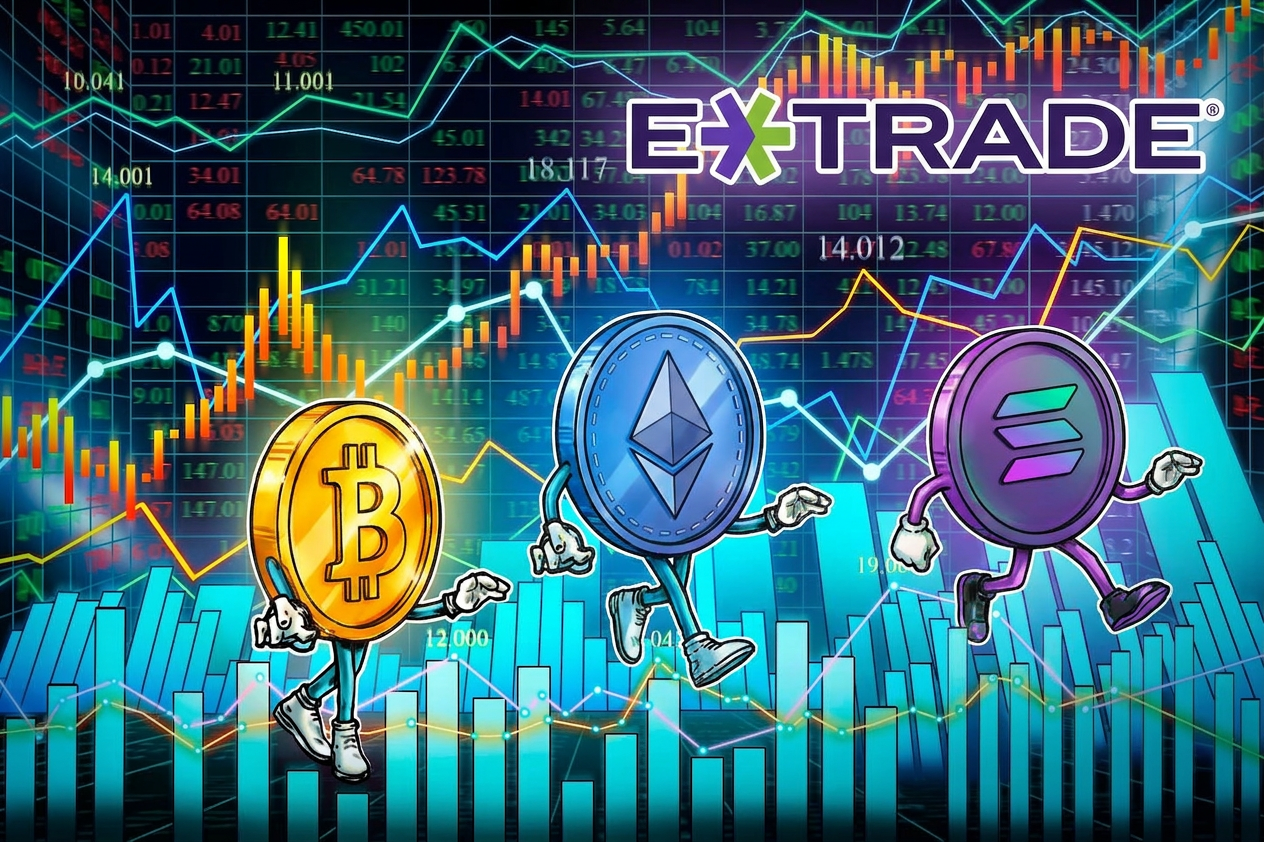
E-Trade is now allowing its retail users to buy, sell, and hold the three heavy hitters: Bitcoin, Ether, and Solana. They aren't building their own exchange or writing their own wallet code from scratch. Instead, they’ve tapped Zero Hash to handle the heavy lifting. This is a classic move for a firm that wants the revenue from crypto trading without the headaches of managing private keys, regulatory reporting, and liquidity pools on their own books.
Why Zero Hash Matters for Builders
If you are a founder in the space, this rollout is a masterclass in the "API-fication" of finance. Morgan Stanley isn't acting like a crypto-native company; they are acting like a distributor. Zero Hash provides the infrastructure that allows a 40-year-old brokerage to look like a modern crypto app overnight. For builders, this confirms a specific thesis: the middleware layer of the crypto stack is where the real institutional sticky power lives.
While retail traders are looking at the price of Solana, developers should be looking at how Zero Hash and similar providers are positioning themselves as the indispensable bridge. If you want to build the next big thing in fintech, you shouldn't necessarily be trying to compete with the liquidity of a giant like Binance. You should be looking at how to make it easier for the next E-Trade to onboard ten million people without them ever leaving their primary dashboard.
The Curation of Assets
It is telling that the rollout is limited to Bitcoin, Ether, and Solana. In the early days of the retail boom, we saw platforms like Robinhood get burned by listing anything and everything. Morgan Stanley is being much more surgical. By sticking to the top three, they are acknowledging that the market has matured into a clear hierarchy.
Bitcoin is the digital gold. Ether is the smart contract platform. Solana is the high-throughput alternative. For a retail investor, this is a manageable trio. It reduces the noise. From a builder's perspective, this is a signal of what the institutional world considers "safe" enough for the general public. If you are building on a chain that isn't on this list, you are still in the experimental phase as far as the traditional wealth management world is concerned. This isn't a critique of other chains, but a reality check on where the institutional capital is willing to point its clients.
The Illusion of Decentralization
We need to be honest about what this is and what it isn't. When a user buys Bitcoin on E-Trade, they aren't interacting with the blockchain. They aren't managing a seed phrase. They aren't participating in the decentralized ethos that Bitcoin was founded on. They are buying an entry on a ledger that is managed by Zero Hash and presented by Morgan Stanley. This is "paper" crypto for the masses.
As founders, we often get caught up in the purity of self-custody. But the E-Trade news reminds us that the vast majority of the world's wealth does not want the responsibility of being their own bank. They want the price exposure with the comfort of a password reset button. This creates a massive opportunity for builders who can bridge the gap between this centralized convenience and the actual utility of decentralized finance. We need tools that give these E-Trade users a reason to eventually move their assets off-platform and actually use them.
The Long Game for Morgan Stanley
Morgan Stanley didn't do this just to collect a few trading fees. They are watching the generational wealth transfer. Younger investors don't want a 60/40 stock and bond portfolio that ignores digital assets. If E-Trade didn't offer this, those users would move their entire brokerage account to a platform that does. This is a defensive move as much as it is an offensive one.
By integrating crypto, they are effectively locking users into their ecosystem. Once you have your IRA, your stock portfolio, and your Solana all in one mobile app, the friction of moving to a competitor becomes much higher. They are building a moat, and they are using crypto-as-a-service to do it. This trend toward "super apps" in finance is only going to accelerate, and crypto is the glue that makes it relevant to the next generation.
The Skeptic's Corner
Is this good for the industry? In the short term, yes. It brings massive liquidity and legitimacy. In the long term, it risks the "Wall Street-ification" of the space. When the biggest players in the world control the gateways, they also control the narrative. They can choose which tokens live and die based on their own internal risk assessments. Builders need to be wary of over-relying on these centralized gateways. If your project's success depends on getting listed on an E-Trade-style platform, you aren't building a decentralized future—you're just applying for a spot in a new version of the old system.
The real winners will be the ones who create value that is so undeniable that these platforms have no choice but to support it. Solana's inclusion here is a perfect example. A year ago, many people thought Solana was dead. But its usage, speed, and community were too big to ignore. It forced its way into the Big Three. That is the blueprint for every founder reading this.
Takeaway for the Founder
The E-Trade and Zero Hash partnership is proof that the infrastructure age of crypto is in full swing. Stop worrying about whether the big banks like crypto—they’ve already made their choice based on the bottom line. Instead, focus on building the middleware that makes the next integration possible or the decentralized tools that make these centralized gateways look like the relics they are. The bridge has been built; now we see who actually crosses it and why.
Read the original at Cointelegraph →