The Wall Street Pivot
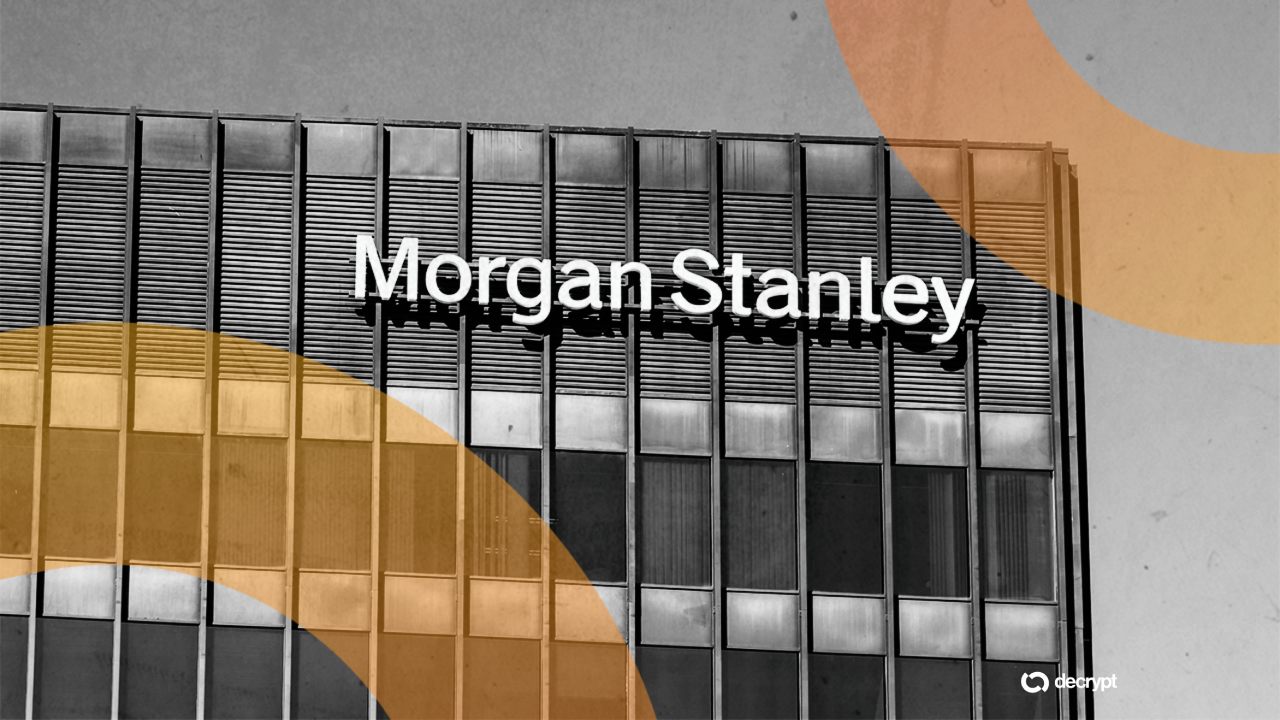
For several years, the narrative around institutional crypto adoption felt like a slow-motion car crash. We heard constant rumors of big banks entering the space, only to be met with restrictive private wealth access or high-barrier ETFs. But something just shifted without much fanfare. Morgan Stanley, through its E*Trade platform, has officially opened the doors for eligible customers to trade Bitcoin, Ethereum, and Solana directly.
This isn't just another press release about a pilot program. It is the integration of digital assets into one of the most established retail brokerage environments in the United States. They aren't building their own blockchain or trying to reinvent the wallet. Instead, they are using Zero Hash as the infrastructure layer to bridge the gap between legacy banking and the decentralized web.
The Real Infrastructure Play
As a builder, I find the choice of Zero Hash more interesting than the list of supported assets. For the uninitiated, Zero Hash is the plumbing. They handle the custody, the liquidity, and most importantly, the regulatory compliance that makes a compliance officer at a place like Morgan Stanley sleep at night. This is the blueprint for how crypto becomes invisible.
We often talk about the user experience in crypto being broken, and it is. The average investor doesn't want to manage seed phrases or worry about gas fees on a Tuesday afternoon. They want to buy an asset, see it in their portfolio next to their Apple stock, and forget about it. By utilizing a B2B2C model, Morgan Stanley is admitting that they don't want to be a crypto company; they just want to be the place where you keep your money, regardless of what form that money takes.
Why Solana Matters Here
The inclusion of Solana is the real signal in this noise. Bitcoin and Ethereum are the safe bets—the blue chips that even the most conservative fund managers have come to accept. Including Solana in the initial rollout suggests that institutional sentiment has moved past the two-horse race. It recognizes Solana as a legitimate third pillar of the current ecosystem, likely due to its transaction volume and growing developer mindshare.
If you are building in the Solana ecosystem, this is a massive validation. It means your work is now accessible to the E*Trade demographic—people with 401ks, brokerage accounts, and a preference for 1099-B tax forms over confusing on-chain ledger exports. It lowers the friction for capital to enter the ecosystem, even if that capital stays tucked away in a custodial vault.
The Founder Perspective: The Good and the Bad
From a founder’s perspective, this is a double-edged sword. On one hand, more liquidity is always better. When a massive brokerage allows its users to toggle into SOL or ETH, the total addressable market for the entire industry expands. It validates the technology and makes it harder for regulators to claim that crypto is merely a niche hobby for developers and gamblers.
On the other hand, we have to talk about the trade-offs of custody. When you buy crypto on E*Trade, you aren't really interacting with a blockchain. You are interacting with a database entry that represents an asset held by Zero Hash on behalf of Morgan Stanley. You can't take that SOL and use it to buy an NFT on Magic Eden or stake it in a DeFi protocol of your choice. You are back in a walled garden.
The challenge for the next generation of builders is to bridge the gap between these walled gardens and the permissionless world.
If we want a truly decentralized future, we have to figure out how to transition these retail users from being passive observers in a brokerage account to active participants in the network. Right now, Morgan Stanley is giving them the front-row seat, but they are still behind glass.
What This Means for the Roadmap
If you’re drafting a roadmap for a new project, you can no longer ignore the institutional rail. We are moving toward a world where 'crypto' is just another tab in a banking app. This means compliance-first tools, identity solutions, and reporting layers are going to be more valuable than ever. The 'move fast and break things' era is being replaced by the 'move fast but keep the auditors happy' era.
I’m skeptical of anything that moves us back toward centralization, but I’m a realist. Mass adoption requires onboardings that don't involve a 24-word recovery phrase written on a piece of paper hidden in a sock drawer. This E*Trade move is the ultimate onboarding ramp. It’s boring, it’s corporate, and it’s exactly what the market needed to mature.
Takeaway for Builders
- Infrastructure is King: Solutions like Zero Hash prove that the middleware layer is where the real institutional money is being spent.
- The Big Three: Treat Solana as a primary tier asset on par with BTC and ETH when considering cross-chain support.
- The Custody Gap: There is a massive opportunity for projects that can safely bridge custodial assets into non-custodial utility without scaring off the average user.
We are witnessing the death of the 'alternative asset' label. When you can buy Solana alongside your index funds, it’s no longer an alternative; it’s just the market. For those of us building the underlying tech, the bar for security and reliability just went up another notch. The grown-ups are in the room now, and they brought their checkbooks.
Read the original at Decrypt →