The Institutional Wall is Crumbling
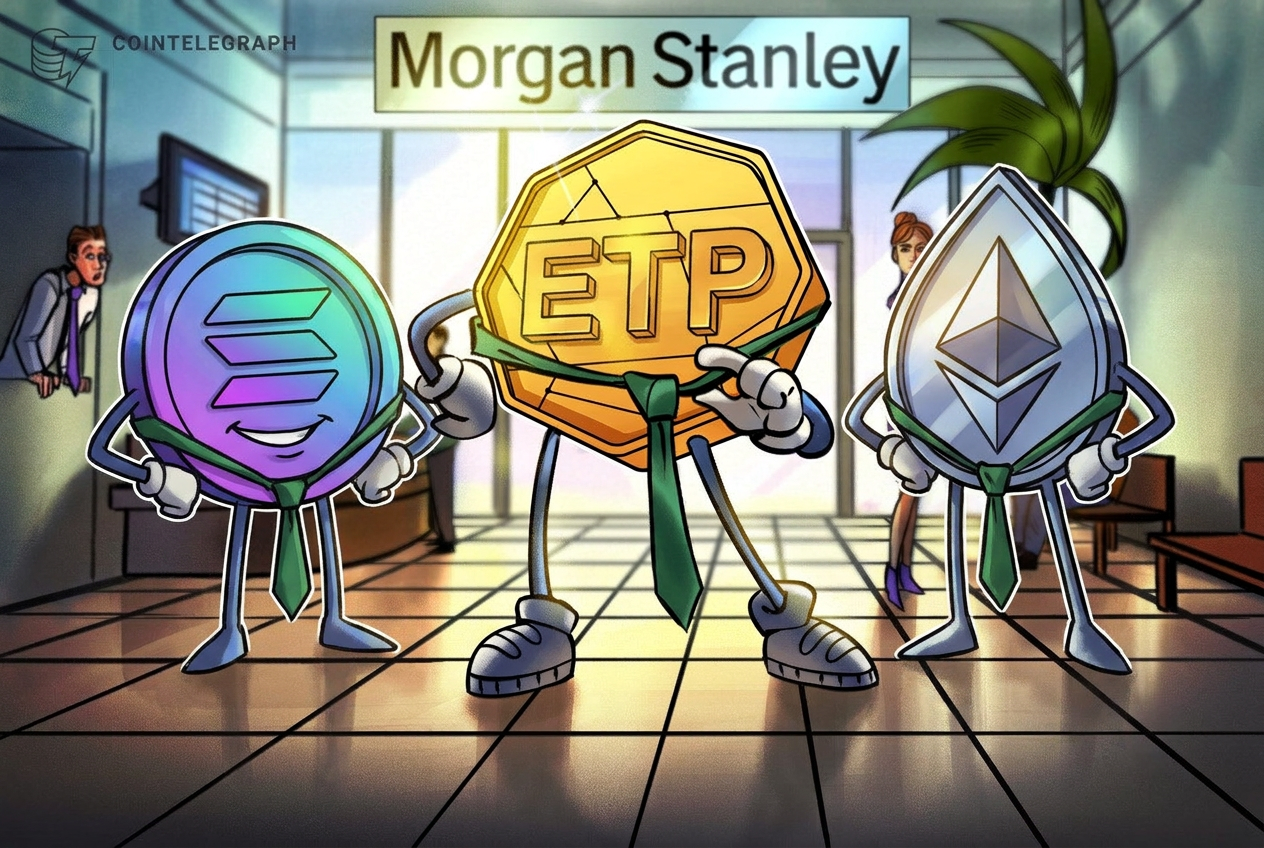
Wall Street has spent the last decade trying to ignore us. They called crypto a fad, then a scam, then a niche diversifier. But the narrative is shifting again. Morgan Stanley, one of the most conservative gatekeepers in the financial world, is expanding its cryptocurrency menu. This isn't just about Bitcoin anymore; they are now putting Ether and Solana on the table for their wealthiest clients.
For those of us building in this space, this matters. When a firm managing trillions of dollars gives its advisors the green light to pitch these assets, it changes the fundamental math of liquidity and project longevity. We aren't just playing in a sandbox of retail traders anymore. We are looking at the professionalization of the ecosystem.
Expanding the Menu: Ether and Solana
Earlier this year, Morgan Stanley dipped its toes in with Bitcoin funds. It was a safe play. Bitcoin is the digital gold story that every boomer-aged advisor can understand. But the new exchange-traded products (ETPs) they are rolling out now represent a more nuanced understanding of the technology. By bringing Ether into the fold, they are acknowledging the utility layer of the blockchain. By adding Solana, they are betting on raw performance and the future of decentralized applications.
What is particularly interesting is the inclusion of staking rewards. Historically, institutional products were passive; you held the asset and hoped the price went up. Now, these ETPs are incorporating the yield-bearing nature of these protocols. It validates the basic economic model of Proof of Stake to a massive, traditional audience.
The Staking Factor
For a founder, the inclusion of staking in an institutional product is a massive vote of confidence. It means the "yield" generated by these networks is being treated as a legitimate financial return, not just some inflationary gimmick. When an advisor tells a high-net-worth client they can get exposure to tech growth plus a native yield, that is a much easier sell than a speculative moon-shot.
However, we have to stay skeptical. Institutional adoption is a double-edged sword. As more supply gets locked up in these massive custodial vehicles, we lose some of the wild, permissionless energy that defined early crypto. We are trading volatility for stability, and for some builders, that might feel like selling out. But if you want your protocol to be used by the global economy, this is the toll you pay.
What This Means for Developers and Founders
If you are building on Ethereum or Solana, your potential market cap just got a lot stickier. When capital enters through these institutional ETPs, it tends to stay put much longer than retail capital. This "patient money" allows founders to plan for multi-year cycles instead of worrying about the next tweet-driven dump.
This also sets a precedent. If Solana can make the jump into Morgan Stanley's portfolio, what prevents other high-performance chains from doing the same? It creates a roadmap for how a protocol matures. First, you build a community. Then, you build a developer ecosystem. Finally, you build a financial product that Wall Street can wrap in a suit and tie.
The Risks of the Wrapper
We shouldn't get too comfortable. These ETPs are still sanitized versions of the real thing. The clients buying these aren't holding their own keys; they aren't interacting with dApps; they aren't participating in governance. They are just betting on the price action. There is a risk that the "value" of these networks becomes detached from their actual usage if the financial representation becomes more important than the utility.
The real test isn't whether Wall Street buys the tokens, but whether they ever actually use the networks. Until then, these ETPs are just sophisticated betting slips on our hard work.
As builders, our job doesn't change because Morgan Stanley is here. If anything, the pressure is higher. Now that the world's most sophisticated investors are watching, the cracks in these protocols will be more visible. If Solana has a major outage now, it isn't just a discord chat complaining; it's a thousand wealth managers calling their head office.
Building for the Institutional Era
We are entering a phase I call the "Second Institutional Wave." The first wave was just about buying the asset. This second wave is about understanding the infrastructure. Morgan Stanley's move shows they stop seeing these as just "coins" and start seeing them as global settlement layers. That is a distinction every founder needs to internalize.
- Focus on uptime and security over raw hype.
- Ensure your project's economic model can withstand institutional scrutiny.
- Prepare for a world where your largest stakeholders are custodial giants.
The skepticism remains necessary, but the opportunity is undeniable. Morgan Stanley isn't doing this to be cool or to support the decentralization movement. They are doing it because their clients are demanding it, and because they see the fee revenue. That profit motive is the most honest signal we can get that crypto has arrived.
The Real Takeaway
The gatekeepers are no longer blocking the entrance; they are charging a fee to shepherd people through it. For the builders, this means the liquidity is coming. For the skeptics, it means the industry is becoming harder to kill. Morgan Stanley adding Ether and Solana to their ETP lineup is a signal that the "crypto winter" institutional mindset is officially over. Now, let's see if we can build something worth their investment.
Read the original at Cointelegraph →