The Physical Bridge Problem
For years, the biggest hurdle in crypto hasn't been the technology behind the blockchains; it has been the messy, friction-filled transition back into the real world. We talk about decentralization and digital sovereignty, but at the end of the day, most people still need to pay rent, buy groceries, and interact with a global economy that runs on fiat. If you can't get your money out of the system without a week-long bank transfer and a dozen compliance headaches, the system is broken.
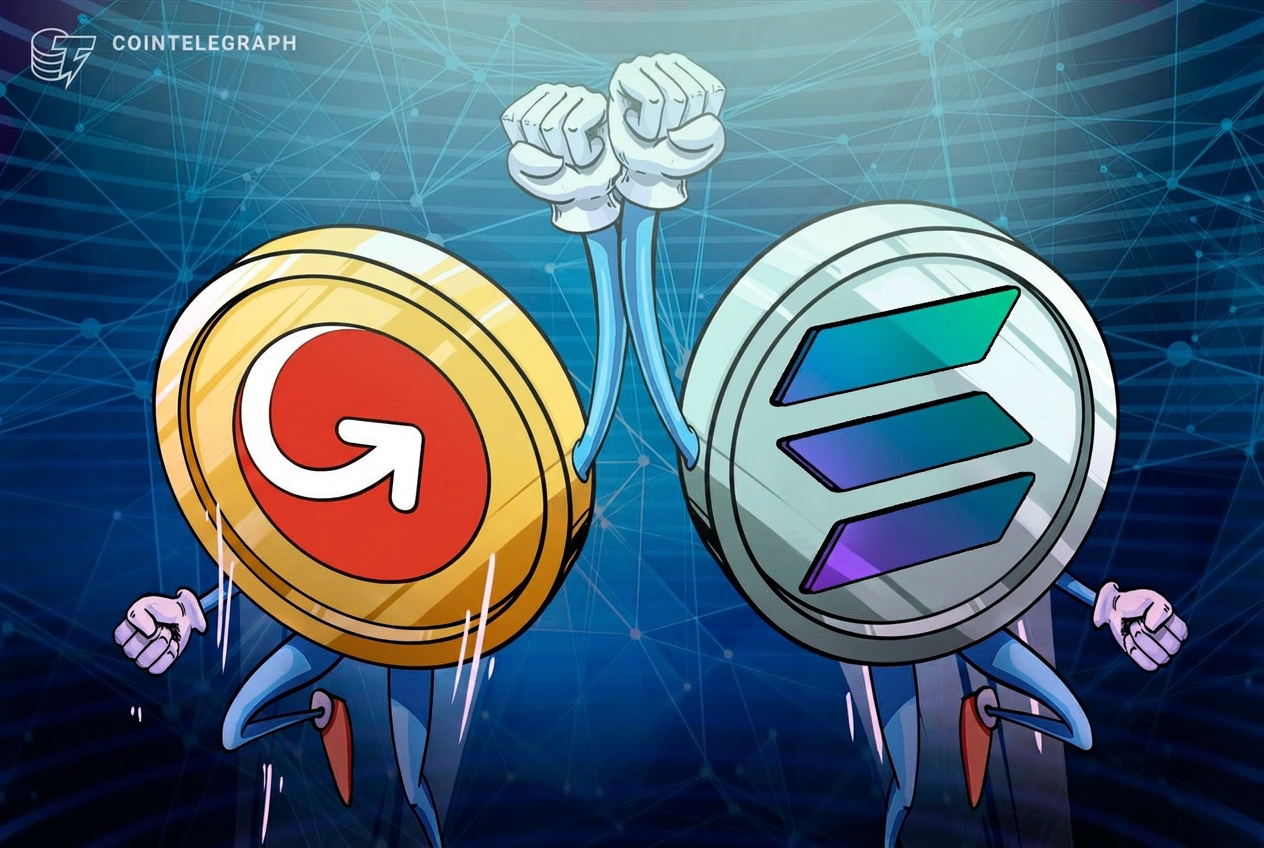
MoneyGram just signaled that they see Solana as a primary lane for solving this. By expanding their "Ramps" service to the Solana network, they are essentially plugging one of the world's largest physical cash footprints into a high-speed digital ledger. This isn't just another corporate partnership press release; it is a fundamental infrastructure shift for builders who want their apps to have utility in the physical world.
Why Solana?
MoneyGram could have picked any number of chains to double down on, but Solana makes the most sense for a cash-out service. If you are standing at a retail counter waiting to receive physical bills, you don't have twenty minutes to wait for block confirmations. You certainly don't want to pay thirty dollars in gas fees to withdraw fifty dollars in cash. The low-latency, low-cost nature of Solana is the only environment where a retail cash-out model actually feels like a modern financial transaction.
The integration starts with Rift, which is the first wallet to bake this service directly into its interface. It allows a user to initiate a transaction on their phone and walk into a participating MoneyGram location to collect paper money. For those of us building in this space, this represents the death of the "custodial exchange" as the only exit strategy. You no longer need a Coinbase or a Binance account to touch your funds if you have a local storefront nearby.
The Founder Perspective: Utility Over Speculation
As a founder, I look at this and see a massive reduction in user acquisition friction. One of the hardest things to explain to a non-crypto user is how they actually use their earnings. If you're building a DePIN project, a play-to-earn game, or a gig-economy platform on Solana, the conversation usually gets awkward when the user asks, "How do I spend this?"
Before this, the answer involved moving tokens to an exchange, KYC-ing, waiting for a bank link, and then waiting for an ACH transfer. Now, the answer is: "Go to the shop on the corner." That change in user experience is worth more than any marketing campaign. It turns a digital asset into a liquid asset for the unbanked or the underbanked, which has always been the promised land of this industry.
The Compliance Reality Check
We have to be honest about the trade-offs here. MoneyGram is a heavily regulated entity. This isn't a workaround for KYC or a way to bypass the traditional financial system's eyes. To use these ramps, users are still going to have to play by the rules. However, for builders, having a regulated partner handle the compliance burden of cash handling is a massive win. You get the benefit of the liquidity without having to build a global network of physical kiosks yourself.
There is also the matter of stability. By utilizing the Stellar-based technology that MoneyGram previously developed and porting the capability over to Solana, they are creating a cross-chain standard for how money moves. It suggests that the future of fintech isn't one chain to rule them all, but a series of interconnected pipes that all lead back to the same physical cash points.
What This Means for Developers
If you are currently building on Solana, you need to be looking at how to integrate these ramp services directly into your UX. We are moving away from the era where a wallet was just a place to store private keys. A wallet is now becoming a point-of-sale terminal. If your application doesn't offer a direct path to liquidity, you are going to lose users to the ones that do.
- Reduced Churn: Users are less likely to abandon an ecosystem if they know their funds aren't trapped in a digital silo.
- Global Reach: MoneyGram exists in places where traditional banking is spotty at best. This opens up Solana-based tools to an international workforce.
- Real-World Validation: Every time a legacy giant like MoneyGram integrates a chain, it adds a layer of perceived safety for the average consumer.
I’ve seen plenty of "partnerships" in this space that result in nothing more than a logo on a slide deck. This feels different because it solves a mechanical problem. It addresses the friction of the "last mile." For the builder, the last mile is always the most expensive and the most difficult to manage. MoneyGram just offered to handle it for you.
Final Thoughts for the Skeptics
I know the hardcore decentralization advocates will groan at the involvement of a legacy player like MoneyGram. They’ll argue that we should be building a world where cash doesn't exist. Maybe they're right in the long run. But in the short run—the next five to ten years—we live in a world of hybrids. We need the legacy rails to help bridge the gap while the new rails mature.
Solana’s growth hasn't been about being the most "pure" blockchain; it’s been about being the most usable one. Adding a physical cash ramp is a move straight out of that playbook. It’s practical, it’s fast, and it actually works for people who don't spend their entire day on Crypto Twitter.
The takeaway here is simple: The barrier between "crypto money" and "real money" is getting thinner. If you're building on Solana, your playground just got a lot bigger. Don't ignore the physical world just because you're obsessed with the digital one. The money that pays for the lights and the hardware is still made of paper, and now, it's easier than ever to get your hands on it.
Read the original at Cointelegraph Solana →