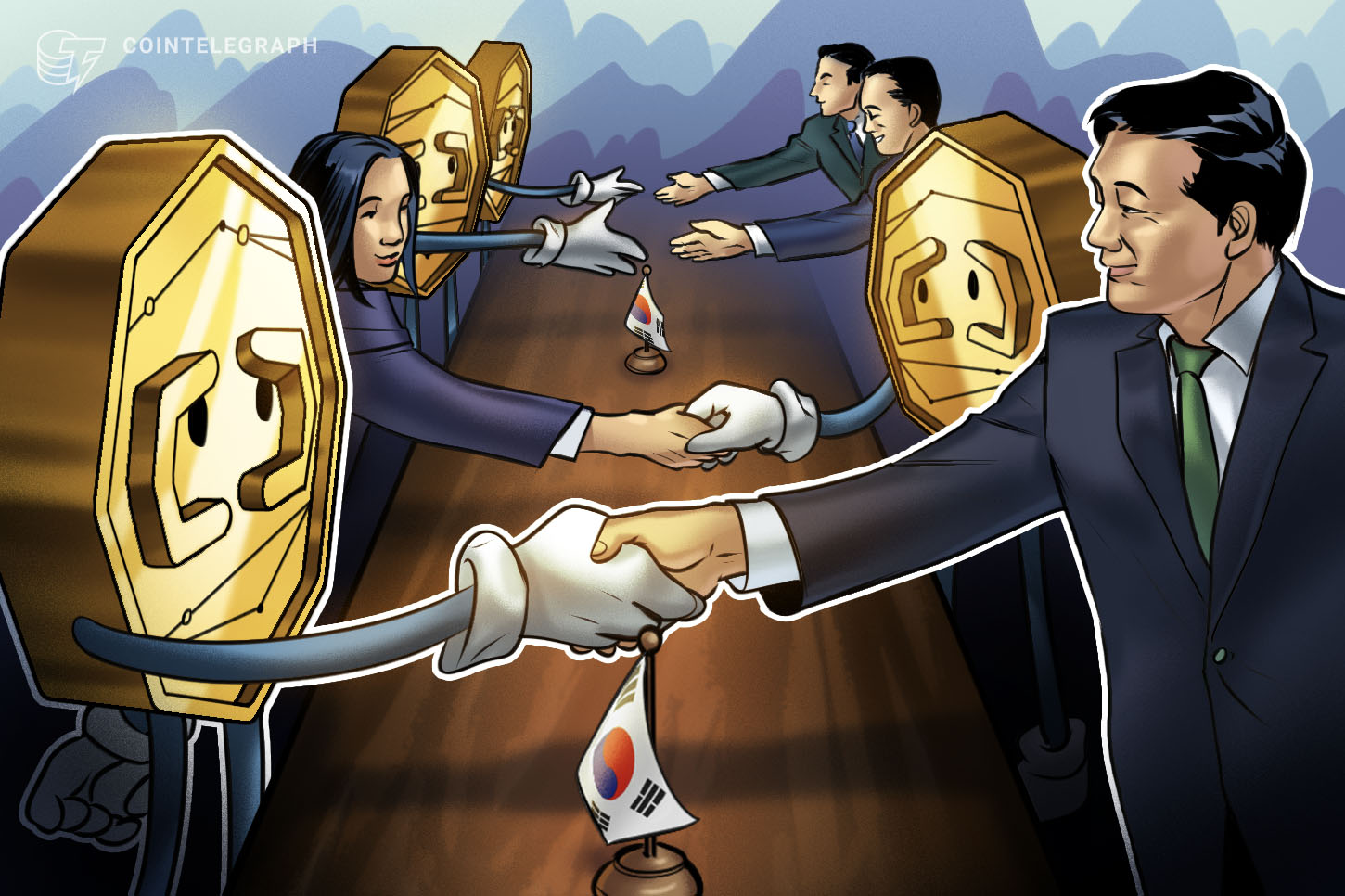
When we talk about mass adoption in the crypto space, we usually get bogged down in technical jargon about throughput or interoperability. But the real story is usually found in the plumbing of everyday life. In South Korea, that plumbing is Toss. If you haven't been following the Korean fintech scene, Toss is the closest thing to a financial super-app the country has. Now, they are reportedly looking at the Optimism superchain as a potential foundation for a won-backed stablecoin.
Pragmatism Over Hype
This isn't your typical speculative play. This is a Proof of Concept (POC) involving Toss, Sunnyside Labs, and the Optimism team. For builders, this is the kind of partnership that actually matters. They aren't trying to create a new metaverse or a speculative token ecosystem. They are looking at the feasibility of moving the Korean won onto the blockchain to facilitate payments. It is a pragmatic attempt to solve the inefficiencies of domestic and potentially international settlement using an Ethereum Layer 2.
From a founder's perspective, the choice of Optimism is telling. While many enterprises have spent the last few years flirting with private, permissioned blockchains that inevitably go nowhere, Toss is looking at a public L2. This suggests a growing realization among mainstream financial institutions that liquidity and developer tooling are better on the open web than they are in closed silos. If you are building in the L2 space, this is a massive validation of the Superchain thesis.
The Stablecoin Regulatory Gauntlet
South Korea is not a playground for the unregulated. The government there has historically been both very interested in blockchain and very strict about how it is implemented. We have seen them crack down on everything from local exchanges to the way tokens are listed. A won-based stablecoin is a bold move because it sits directy in the crosshairs of the Bank of Korea and financial regulators.
However, doing this as a POC alongside a partner like Sunnyside Labs allows Toss to test the waters without committing to a full-scale launch that might trigger a regulatory nightmare. For builders, the takeaway here is the importance of the sandbox. You don't launch a financial product in a high-compliance jurisdiction without proving the tech and the compliance framework simultaneously. If Toss can prove that a won stablecoin can exist without destabilizing the local economy or violating AML laws, it opens the floodgates for other fiat-backed assets in the region.
Why Optimism?
There are plenty of blockchains Toss could have chosen. Why Optimism? It likely comes down to the architecture of the OP Stack. For an enterprise handling millions of users, you need a balance between decentralization and the ability to customize certain parameters. The OP Stack provides a framework that is becoming a standard for teams who want to build their own execution environments while remaining connected to the wider Ethereum ecosystem.
We have already seen Coinbase do this with Base. Now we are seeing the same logic applied to a regional fintech powerhouse. If I were building a dApp today, I would be looking very closely at how these institutional L2s are clustering. The liquidity isn't just staying in the DeFi degens' hands anymore; it is moving toward platforms that look and feel like the apps people already use to pay for their coffee and rent.
What This Means for the Builder Community
If you are a developer, this pilot program should change how you think about your target audience. We often build for the 1% of people who already own a hardware wallet and understand gas fees. But a Toss-led stablecoin is built for the person who doesn't know what a block explorer is. They just want their transaction to be instant and cheap.
Focus on the Middleware: The real opportunity isn't necessarily in building another L2, but in building the middleware that allows traditional apps like Toss to communicate with these chains. We need better oracles, better compliance adapters, and better user interfaces that hide the complexity of the blockchain entirely.
Regionalization is Real: We tend to think of crypto as a borderless, global phenomenon. While that is true on a technical level, the actual adoption happens on a regional basis. South Korea is a unique market with high digital literacy and a dense population. A win for a stablecoin there doesn't immediately translate to a win in the US or Europe, but it creates a blueprint that others can follow.
The Skeptic's Corner
I am optimistic about this, but let's be honest: many POCs die in the boardroom. The hurdle in South Korea isn't just the technology; it's the political will. The central bank is already looking at its own CBDC (Central Bank Digital Currency). If the government views a Toss stablecoin as a threat to their own digital currency plans, this project could be sidelined before it ever hits a single user's phone.
Furthermore, we have to look at the collateralization. How does Toss plan to back this won coin? Does it live on their balance sheet? Is it managed by a consortium of banks? These are the structural questions that the POC will have to answer. A stablecoin is only as good as its peg and the transparency of its reserves. For an app that handles the savings and payments of millions, the margin for error is zero.
Final Takeaway for Founders
The Toss and Optimism partnership is a signal that the infrastructure phase of crypto is maturing into the application phase. We are moving past the era of "blockchain for the sake of blockchain" and into the era of "blockchain for the sake of cheaper payments."
Stop looking for the next shiny narrative and start looking at where the existing money is moving. If a company with the reach of Toss is experimenting with L2s, that is where the users will eventually follow. Build the tools that these institutions will need when they realize they can't manage their own keys or audit their own smart contracts. The bridge between TradFi and DeFi is finally being built, and it looks a lot like an Ethereum Layer 2.
Read the original at Cointelegraph →