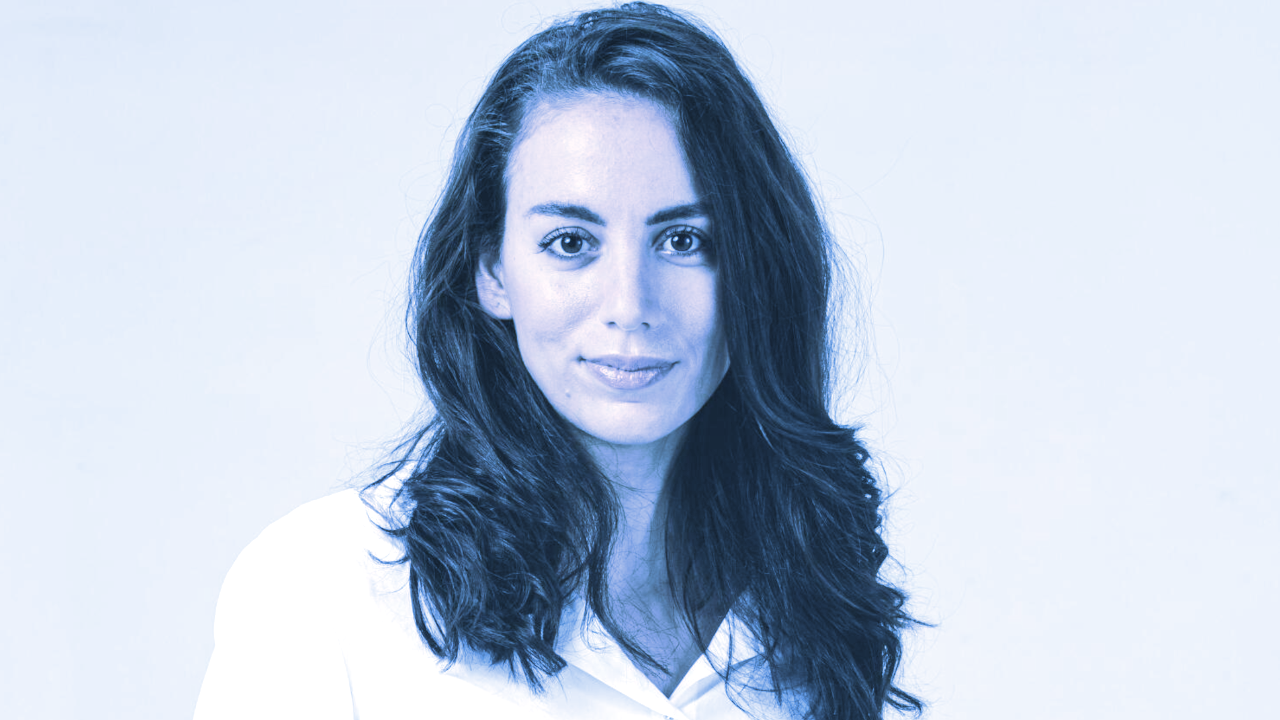
We have been waiting for two years to see what Mira Murati and her team at Thinking Machines Lab were actually cooking. The silence was loud. In an industry where people announce products three months before they exist, waiting twenty-four months for a release felt like an eternity. Now that Inkling is finally live and available on OpenRouter, the verdict is in: the engineering is top-tier, but the business case for builders is a messy puzzle.
The Weight of Expectations
Murati is not a stranger to high-stakes shipping. Her history at OpenAI meant that whatever she touched next would be scrutinized through a very specific lens: can she beat the closed-source giants at their own game? Inkling is her first attempt at an open-weights model, and honestly, it is refreshing to see a high-profile founder lead with a builder-first release rather than a glossy marketing deck.
Inkling is being touted as perhaps the most capable open-source model developed in the West. That is a heavy title. For founders, the appeal of open source is not just about the lack of licensing fees; it is about autonomy. If you can run a model that matches GPT-4 performance without being tethered to a specific provider's API whims, you have a massive strategic advantage.
The MCP Reality Check
Let's talk about the Model Context Protocol (MCP) scores. In early testing, Inkling is punching far above its weight class. It handles complex logical reasoning and tool-calling with a fluidity that we rarely see outside of the Claude or GPT ecosystems. For those of us building agentic workflows, this matters more than generic benchmarks. A model that knows how to use its tools without hallucinating is a model you can actually put in front of a customer.
However, performance in a lab environment rarely translates perfectly to the messy reality of a startup's backend. While Inkling shows a high degree of reasoning capability, it still requires significant prompt engineering to maintain consistency. It is a sharp tool, but it is not a forgiving one.
The Cost Problem
Here is where the skepticism kicks in. As builders, we are always looking at the price-to-performance ratio. OpenRouter has made Inkling accessible, but the compute requirements for this model are not trivial. We are entering an era where "open source" does not necessarily mean "cheap."
- Compute Overhead: To get the results Murati is promising, you need serious iron. This isn't something you're going to run efficiently on an old gaming rig.
- Energy Efficiency: The token throughput compared to the power draw is still being debated, but initial signs suggest this is a thirsty model.
- Integration Friction: While the API is standard, fine-tuning an open-weights model of this scale requires a DevOps infrastructure that most seed-stage startups simply don't have yet.
If you are a founder, you have to ask yourself if the marginal gain in performance over something like Llama 3 is worth the increased operational complexity. Inkling is better in specific logic-heavy scenarios, but for 80% of standard LLM tasks, cheaper models might still be the smarter business move.
The Battle for Open Sovereignty
There is a bigger narrative here. For years, the narrative was that the best AI would always be behind a paywall and a proprietary API. Murati and Thinking Machines Lab are challenging that. By releasing Inkling with open weights, they are giving developers a piece of the pie that was previously reserved for the tech elite.
"True innovation happens when the developer no longer has to ask for permission to build."
That sentiment is core to what we do at STKR News. We want to see a world where you aren't just a tenant on Microsoft or Google's servers. Inkling represents a shift toward that sovereignty. But sovereignty has a price. You have to be willing to manage your own stack, handle your own security, and optimize your own inference.
What This Means for Founders
If you are currently building a platform that relies heavily on deep reasoning—think legal tech, automated code review, or complex financial modeling—Inkling should be in your testing pipeline. It offers a level of nuance that current open-source alternatives struggle to match.
If, however, you are building a simple chat interface or a summarization tool, Inkling is probably overkill. The cost of running it will eat your margins before you even have a chance to scale. It is a specialized tool, not a general-purpose hammer.
The Road Ahead
We are still in the honeymoon phase with this model. Over the next few weeks, as more developers push Inkling to its limits on OpenRouter, we will see where the cracks are. Early reports suggest it handles long-context windows surprisingly well, which could be a game-changer for RAG (Retrieval-Augmented Generation) applications.
But we also need to see if Thinking Machines Lab can maintain this pace. One great model does not make an ecosystem. We need documentation, community support, and a roadmap that respects the fact that developers are building their livelihoods on this tech.
The Takeaway
Mira Murati has proven that she can build top-tier tech outside the shadows of OpenAI. Inkling is a genuine achievement in the open-weights space and a reminder that the West is still a powerhouse for AI innovation. But don't let the hype blind you to the math. Test it, benchmark it against your specific use case, and only commit if the performance boost justifies the overhead.
The era of "good enough" AI is over. We are now in the era of specialized excellence. Inkling is a big step in that direction, but only for those who know how to wield it.
Read the original at Decrypt →