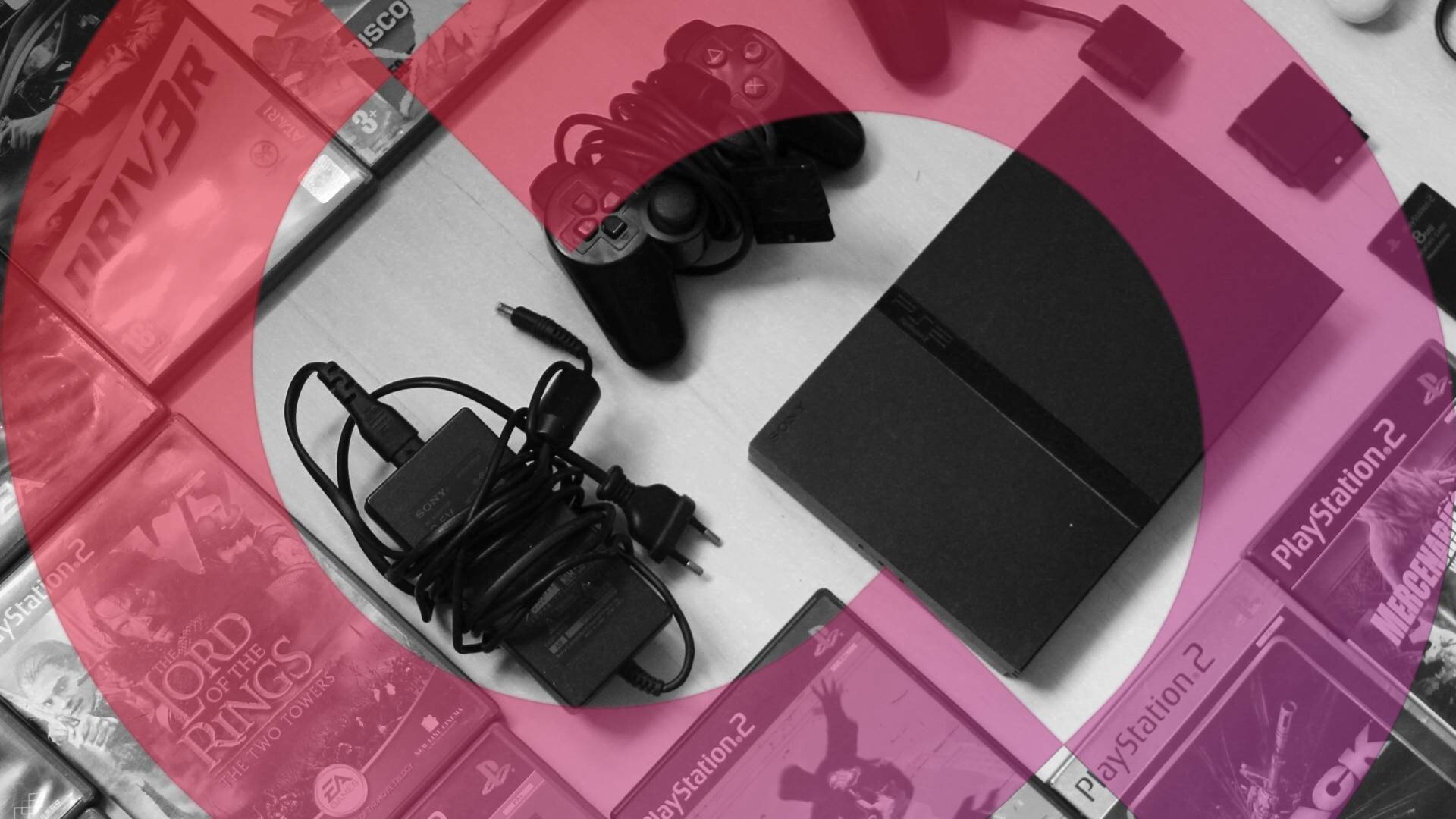
Ken Kutaragi, the man widely regarded as the father of the PlayStation, recently made waves by addressing the growing friction between legacy hardware expectations and the digital-only future. When asked about the backlash regarding Sony's pivot away from physical game discs, Kutaragi didn't offer a corporate apology. Instead, he framed the entire controversy as a "mentality issue."
From his perspective, the shift to cloud-based and digital distribution is an inevitable evolution, much like the transition from cartridges to CDs was in the 1990s. But for those of us building in the decentralized space, this isn't just a change in format. It is a fundamental shift in the definition of ownership. When a founder of Kutaragi's stature dismisses physical media so casually, he is signaling that the era of the "product" is dead, replaced entirely by the era of the "service."
The Illusion of the Physical
For decades, the disc was a contract. You paid money, you received a physical object, and you owned the right to use that software indefinitely, regardless of whether the manufacturer stayed in business or changed their terms of service. Kutaragi’s recent comments suggest that this mindset is now an obstacle to progress. He sees the disc as a bottleneck—a piece of plastic that limits distribution, increases costs, and tethers the user to a specific location.
From a builder's perspective, he isn't entirely wrong about the efficiency. Managing physical supply chains is a nightmare. But dismissing the anger of gamers as a simple refusal to change misses the core of the problem. Users aren't clinging to discs because they love plastic circles; they are clinging to them because they don't trust the digital alternatives. In a digital-only ecosystem, the platform holder retains all the power. They can revoke access, change the content, or shutter the store entirely.
Why This Matters for Web3 and AI Builders
If you are building in crypto or AI, Kutaragi’s "mentality issue" is actually your biggest market opportunity. The gaming industry is moving toward a state where users pay for access rather than assets. This creates a massive gap in the market for true digital ownership. If physical discs are being phased out, the only way to replicate that sense of permanence is through decentralized protocols.
We talk a lot about NFTs and on-chain assets, but the PlayStation situation highlights the real-world utility of these concepts. When a major manufacturer tells you that your desire to own a copy of a game is an outdated mindset, they are admitting that they want total control over your library. Builders should be looking at this as a signal to create tools that allow for digital persistence without the need for a physical disc.
The Convenience Trap
The transition Kutaragi is describing relies on the convenience trap. Digital downloads are faster, cheaper to produce, and take up no shelf space. For the average consumer, these benefits outweigh the theoretical risk of losing access to a game ten years down the road. This is the same trade-off we see in the AI space. People are willing to feed their data into closed models because the output is immediate and useful, even if they lose control over the underlying information.
As founders, we need to be skeptical of this trade-off. Convenience is a powerful acquisition tool, but it rarely builds long-term loyalty or resilient ecosystems. When the "mentality" of a user base shifts from ownership to subscription, the value of the platform goes up, but the value of the individual user’s participation goes down. You become a renter in a house built by Sony, Microsoft, or Apple.
Reframing the Ownership Mentality
Kutaragi’s comments are a wake-up call. He is essentially saying that the industry has moved past the point of caring about individual asset retention. For those of us building the next generation of the internet, our job is to prove that ownership isn't a "mentality issue"—it’s a fundamental right. We need to build systems where digital assets have the same permanence as that old copy of Final Fantasy VII sitting on your shelf.
- Physical media provided a "kill switch" for corporate overreach. If you had the disc, you had the game.
- Digital-only systems centralize power, making users vulnerable to licensing disputes and server shutdowns.
- Decentralized tech is the only middle ground that offers digital convenience with physical-style ownership rights.
We shouldn't expect the giants of the previous era to change their minds. Kutaragi is looking at the bottom line and the technical roadmap. He sees a world where software is streamed like water. It’s clean, it’s efficient, and it’s controlled by the utility company. If you want to build something different, you have to accept that the old ways are gone and start building the new infrastructure for genuine digital property.
The move to digital isn't about technology; it's about the transfer of power from the owner to the provider.
The takeaway for builders is simple: stop trying to save the disc and start building the replacement for what the disc represented. The "mentality issue" Kutaragi describes is actually a deep-seated human desire for security and permanence. If the legacy players won't provide it, the next generation of founders will.
Read the original at Decrypt →