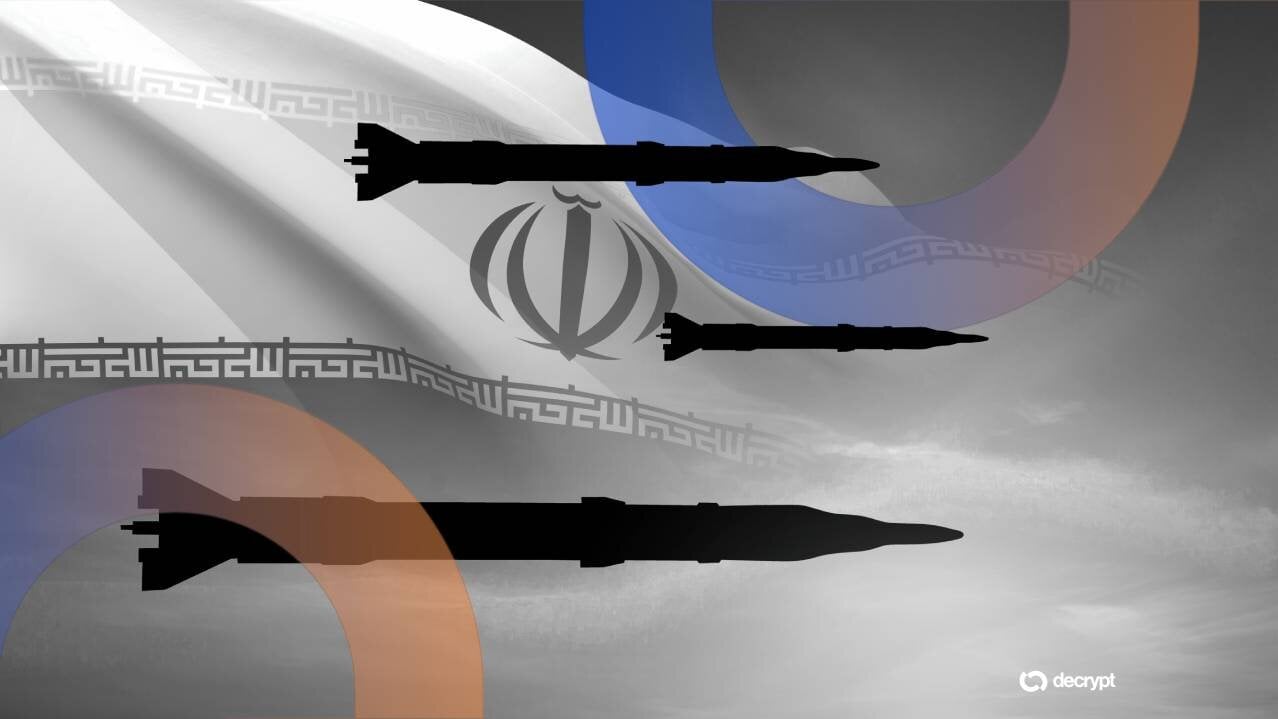
We have all seen the headlines about a potential de-escalation between the United States and Iran. The official messaging is heavy on hope and light on specifics. But if you want to know what the world actually thinks is going to happen, you do not look at the press releases. You look at where the money is moving.
On prediction markets like Polymarket, the sentiment is shifting rapidly. Recently, the odds of a ceasefire holding for even 14 consecutive days dropped by ten percent. Over on Myriad, the betting pools suggest that formal peace talks aren't even a possibility until next month at the earliest. This is a classic example of the 'propaganda vs. price' spread that builders in the decentralized finance and intelligence spaces need to pay attention to.
The Cold Calculus of Prediction Markets
In the traditional news cycle, a ceasefire is reported as a binary event: it either happened or it didn't. In the world of prediction markets, we see the nuance of probability. When traders start dumping their 'Yes' shares on whether a peace deal will last, they are reacting to ground-level data that the general public hasn't processed yet. This is not about being cynical; it is about being realistic.
For those of us building in crypto and AI, these markets are more than just a place to gamble on geopolitics. They are a new form of high-signal data. If the market says there is a 90% chance of conflict resuming, and the government says there is a 90% chance of peace, the market is usually the one with the skin in the game. That skin in the game creates a level of honesty that you cannot find in a televised briefing.
Why Builders Should Care
You might be wondering why a founder building a new protocol or an AI agent cares about a spat in the Middle East. The answer is global liquidity and risk appetite. When geopolitical tensions rise, 'risk-on' assets like crypto usually take a hit. If prediction markets are signaling that the ceasefire is fragile, it tells you that the market volatility is not going anywhere.
- Strategic Planning: Founders should use prediction market volatility as a hedge against their internal milestones. If the markets are signaling instability, it might not be the best week for a major token launch or a high-stakes protocol upgrade.
- Data Integrity: These markets provide a decentralized alternative to corporate media. By watching how odds shift in real-time, builders can get a sense of global sentiment without the filter of an editorial board.
- Oracle Integration: We are seeing the early stages of how these betting markets can serve as decentralized oracles for real-world events.
The Skeptical Reality
I have spent years looking at how technology intersects with truth. The reality is that peace is hard and conflict is profitable for a lot of powerful entities. When Polymarket traders start betting against a ceasefire, they are acknowledging the systemic pressures that drive these two nations toward friction. They are looking at troop movements, proxy activity, and economic sanctions that don't make it into a 240-character tweet from a politician.
The drop in confidence for a two-week ceasefire is a major red flag. It suggests that the underlying issues haven't been resolved; they have just been temporarily suppressed. For anyone building in this space, relying on the 'status quo' is a dangerous game. The only constant we have right now is the ability to track how people are betting on the chaos.
Alternative Intelligence
We are entering an era where AI agents will likely be the primary traders on these markets. Imagine an agent that scrapes satellite imagery, social media chatter, and shipping manifests to place bets on a ceasefire. That is where we are headed. The current drop in odds is just the human-led precursor to a much more automated and efficient form of geopolitical forecasting.
As a founder, I find this fascinating and terrifying. It means information moves faster than ever, and 'secret' deals aren't secret for long if the money knows where to look. The skepticism we see on Myriad regarding the timing of peace talks reflects a broader understanding that diplomatic bureaucracy moves slowly, while the triggers for conflict move at the speed of light.
The Founder Perspective
If you are running a company, do not get distracted by the noise of the day-to-day headlines. Look at the aggregate data. The fact that traders are betting against a 14-day window of peace tells you that the 'return to normalcy' is still a long way off. Your job as a builder is to create systems that are resilient to this kind of instability.
The market does not care about your hopes for peace; it only cares about the probability of the next disruption.
We need to stop viewing prediction markets as just another gambling product. They are a mirror reflecting the messy, honest, and often ugly truth of our global situation. If the odds say the peace won't last, you should probably listen. Not because the traders are psychics, but because they are the only ones who lose money if they are wrong.
Takeaway for the Week
The gap between political optimism and market reality is widening. While the US and Iran talk about cooling things down, the money is betting on the heat. For builders, this means staying fluid, keeping your treasury secure, and not betting your roadmap on a stable geopolitical environment. The markets are telling us to stay vigilant, and in this industry, vigilance is the only way to survive.
Read the original at Decrypt →