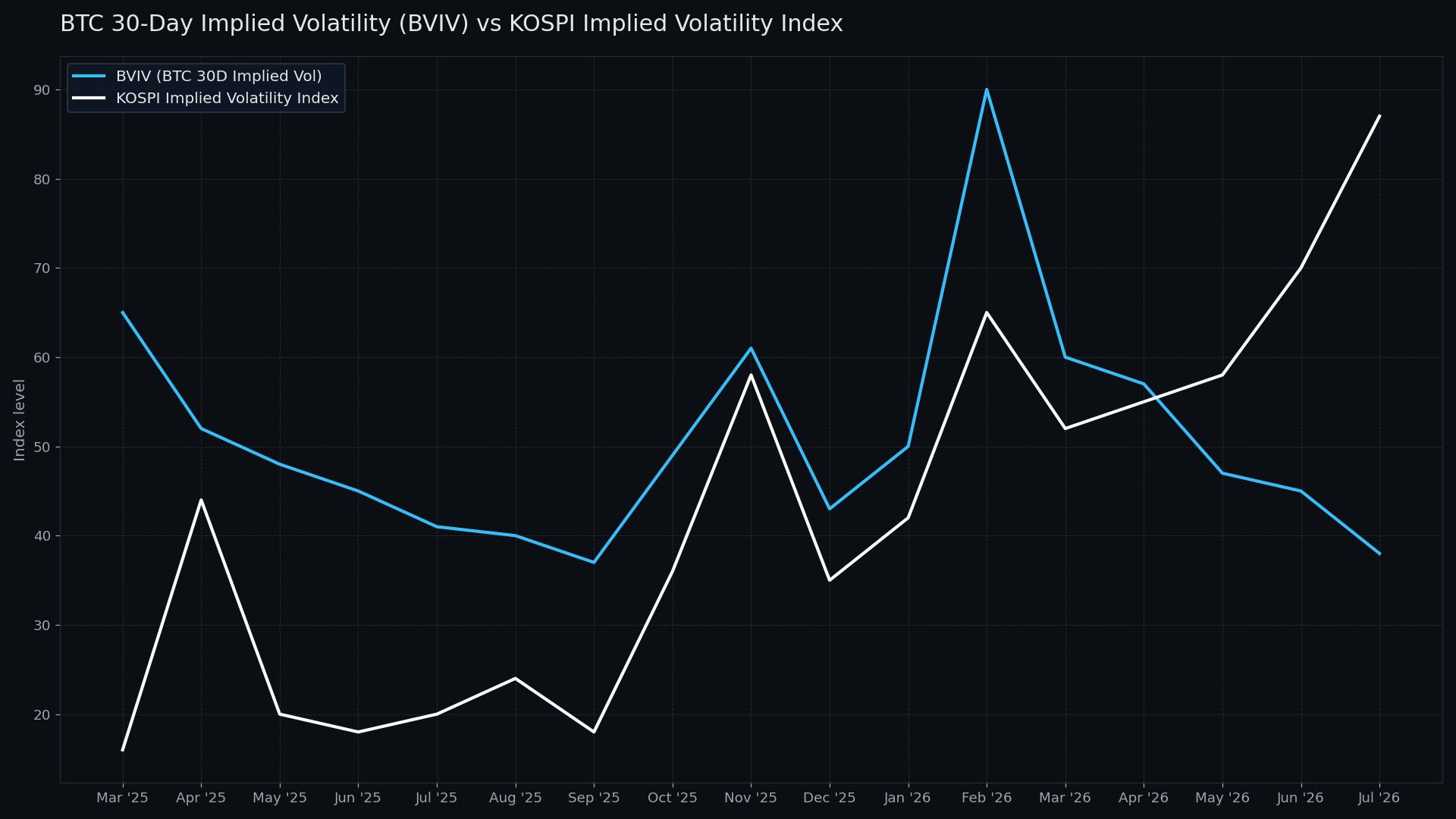
We have reached the point in the cycle where Bitcoin is finally acting like the high-beta technology stock many of us always suspected it was. This week, we saw BTC slide back toward the $63,000 mark. It is a frustrating move for those who were watching it flirt with $65,000 just a few days ago, but the reason for the slip says more about the global economy than it does about any specific weakness in the blockchain.
The Chip Connection
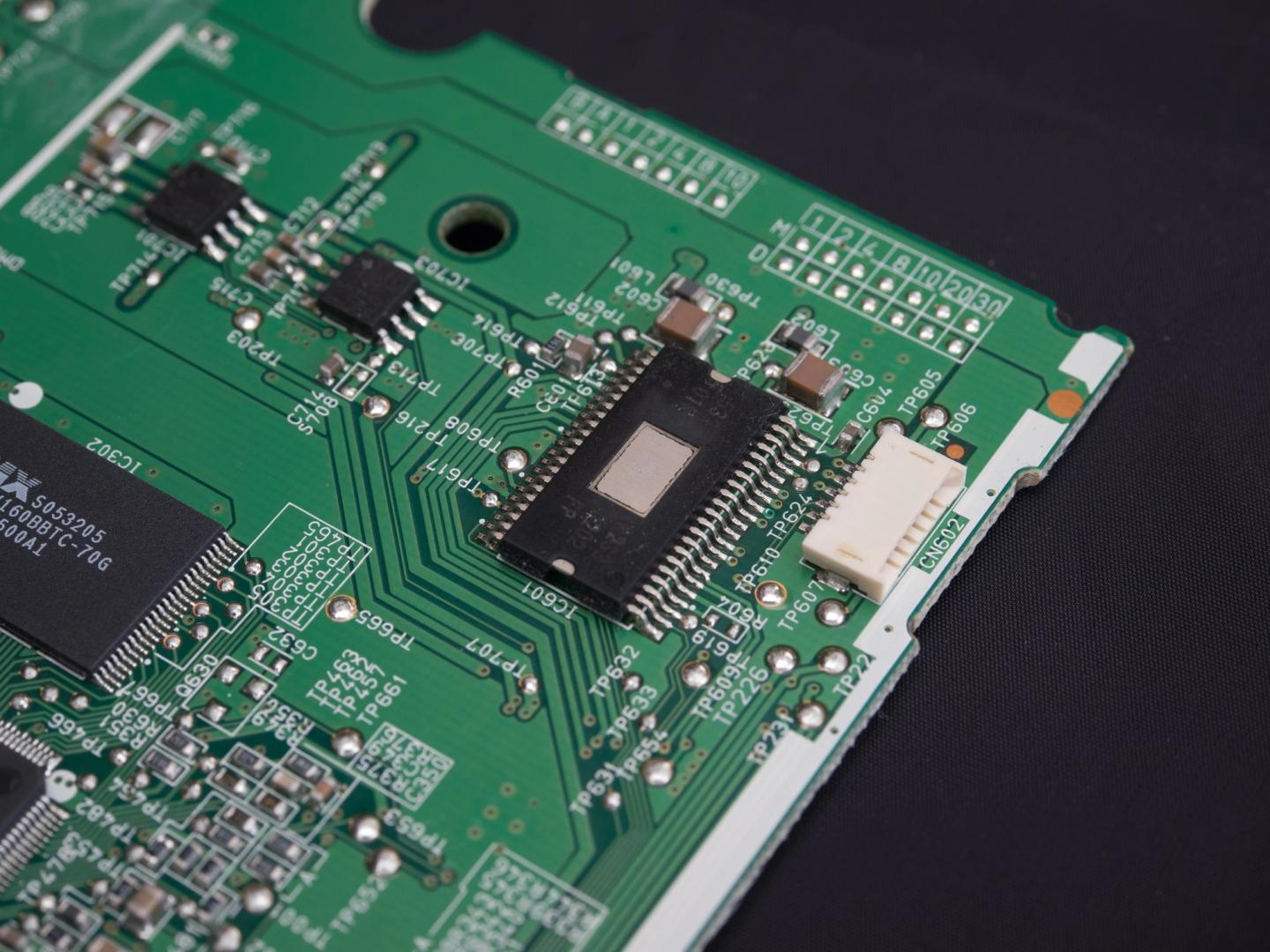
The real story here isn't on the charts of a crypto exchange. It is in the fabrication plants and silicon design offices of the semiconductor industry. A massive global selloff in chipmakers is dragging down everything that looks even remotely like a risk asset. When the companies that build the hardware for the future start to lose value, the liquid markets for the digital assets running on that hardware are usually the first to get liquidated.
As a founder, you have to look at the plumbing. We spend so much time talking about smart contracts, zero-knowledge proofs, and decentralized storage that we forget that all of this requires physical silicon. When investors get spooked by the valuations of Nvidia or Intel, that fear ripples through to the digital assets that institutional desks categorize under the tech umbrella. Bitcoin is currently the canary in the silicon coal mine.
The Inflation Mirage
Earlier this week, things looked significantly different. We had a soft inflation print that initially gave market participants some breathing room. The logic was simple: lower inflation means the Federal Reserve might finally stop being the world’s most aggressive party pooper. For a moment, it felt like the path to $70,000 was cleared. But the bounce was short-lived.
The current market environment is fickle. A positive macro data point provides a temporary sugar high, but it cannot sustain a rally when the underlying physical tech sector is hurting. We are seeing a disconnect between the optimistic long-term narrative of crypto and the cold, hard reality of global liquidity. When global chip stocks dive, big funds sell what they can quickly, and Bitcoin is the most liquid asset they own.
Why Builders Should Care
If you are building a product right now, you might think the daily price action of Bitcoin doesn't affect your roadmap. You would be wrong. The correlation between chip manufacturers and crypto isn't just a trend for traders; it reflects the availability of capital. Many of the venture funds that support crypto startups are fueled by the gains made in the broader tech and semiconductor sectors.
When these chip stocks take a hit, the secondary markets tighten up. Generalist LPs become hesitant. The money that flows into the next seed round for a focused AI-crypto protocol often originates from the dividends and exits of these legacy tech giants. If the chip rout continues, expect a slower fundraising environment for everyone, regardless of how great your code is.
The Compute War
There is also the matter of AI. We are currently seeing a massive overlap between the crypto world and the artificial intelligence sector. Decentralized physical infrastructure networks (DePIN) have become the hottest trend in our space. These projects aim to decentralize the very compute power that the struggling chipmakers provide. There is an irony here: the more we struggle with the supply and pricing of physical chips, the more valuable the crypto-incentivized compute networks become.
However, that value is suppressed in the short term because the market doesn't trade on nuance. It trades on broad buckets. If tech is down, crypto follows. As a builder, your goal should be to decouple. The projects that will survive this volatility are those that provide actual utility that isn't dependent on a speculative pump in the price of Bitcoin or the quarterly earnings of a hardware manufacturer in Taiwan.
Reality Check
Let's be honest about the $63,000 floor. It is still a position of strength compared to where we were a year ago. But the volatility we are seeing confirms that we are not yet in the 'safe haven' phase of Bitcoin's existence. It is still a vehicle for global leverage. When the world starts deleveraging from big tech positions, the pressure on Bitcoin is inevitable.
For founders, this is a time for discipline. Do not bake $100,000 Bitcoin expectations into your three-year runway. If you can't survive at $50,000 BTC, you are taking too much risk. The global supply chain for high-end silicon is under immense geopolitical and economic strain. As long as that remains true, the high-growth assets that depend on that technology will remain volatile.
The Takeaway
The dip to $63,000 is a reminder that the digital world is inextricably linked to the physical world of manufacturing. We are seeing a global rebalancing of risk. While the inflation numbers looked promising, they were not enough to offset the structural concerns in the tech supply chain. Builders need to focus on fundamentals and stop checking the ticker every fifteen minutes. The silicon rout will pass, but it will take out the weakest hands in the crypto space before it does.
- Bitcoin's drop is a symptom of broader tech sector weakness, not a crypto-specific failure.
- The correlation between semiconductors and digital assets is at an all-time high.
- Short-term positive inflation news was overshadowed by institutional selling in the hardware sector.
- Capital availability in the crypto space is still heavily influenced by the success of legacy tech stocks.
Read the original at CoinDesk →