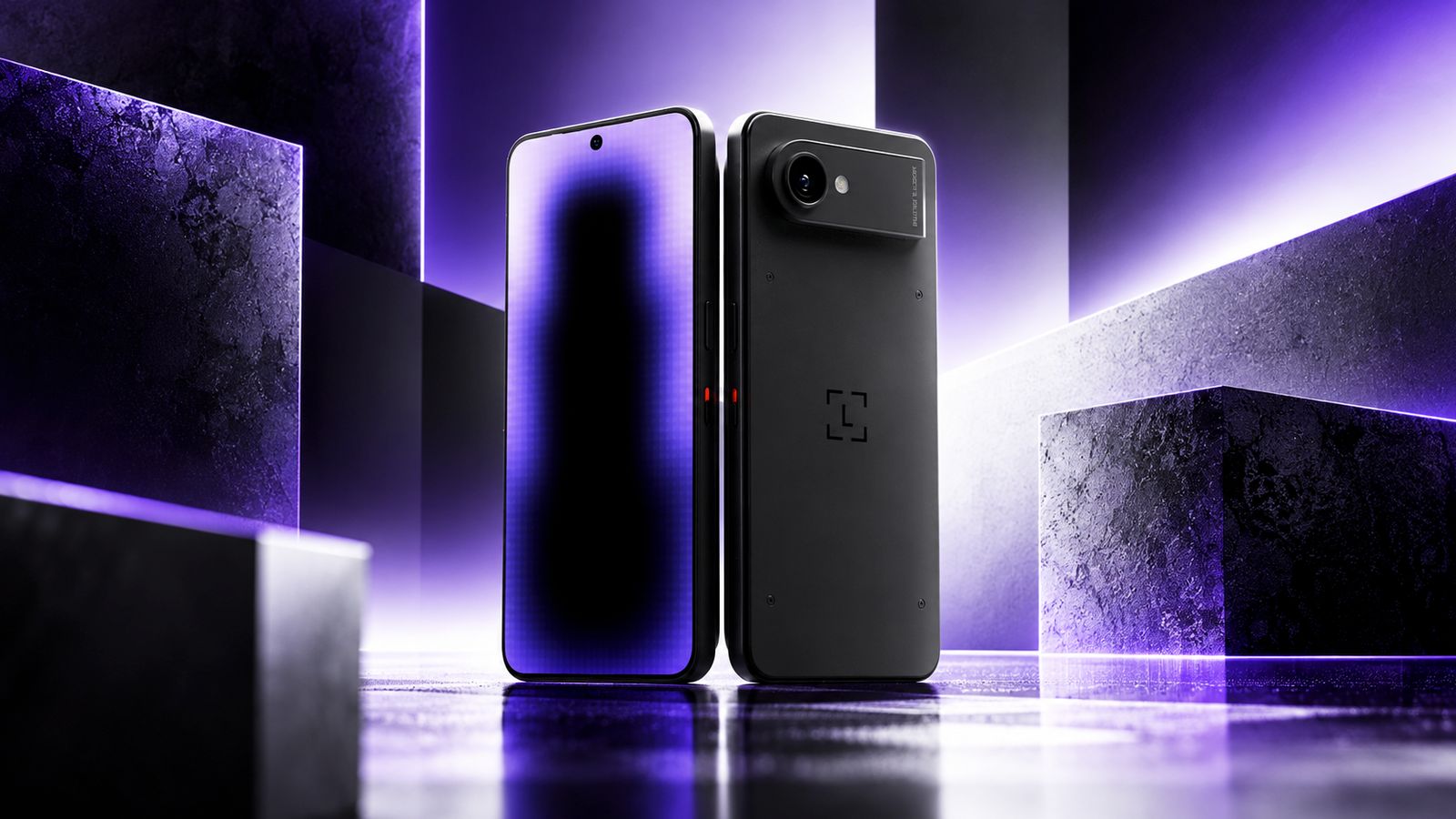
Hardware wallets used to be simple. You had a tiny screen, two buttons, and a singular job: keep the private keys off the internet. But the era of the isolated calculator is dying. Ledger recently announced the Atom, an Android-based device that tries to bridge the gap between a cold wallet and a smartphone. It includes deep Solana Mobile integration and new physical protections designed to fight back against supply chain attacks.
The Android Problem in Cold Storage
For years, the gold standard for security was minimizing the attack surface. By moving to an Android-based architecture, Ledger is taking a massive bet that they can harden a complex operating system enough to justify the added features. The Atom isn't just a signing tool; it is designed to handle AI agents and complex decentralized app interactions that the old Nano series simply couldn't touch.
From a builder's perspective, this is a double-edged sword. On one hand, we finally get a device that can handle the modern web3 stack. On the other, every line of code added to an operating system is a potential door left unlocked. Ledger is betting that their proprietary secure element can still act as the ultimate gatekeeper, even if the surrounding Android environment is more permissive than what we are used to in high-security hardware.
The Solana Synergy
The integration with Solana Mobile is the most interesting part of this rollout. Solana has been the only ecosystem aggressively pushing for a mobile-first future, and Ledger is clearly tired of being a bystander in that race. By building a device that speaks the same language as the Saga or the Seeker, Ledger is trying to capture the power user who wants to trade on the go without the anxiety of keeping their primary seed phrase on a device they use to scroll social media.
This is a tactical move for developers in the Solana space. It means the "signing experience" is finally catching up to the speed of the network. If you are building a protocol on Solana, you no longer have to choose between a terrible user experience for hardware owners and a risky experience for hot wallet users. The Atom aims to be the middle ground.
Tamper Protections and the Trust Deficit
The announcement comes at a sensitive time. Recent investigations into modified hardware wallets have put the entire industry on edge. It is no longer enough to have a secure chip if a malicious middleman can intercept the mail, swap the internals, and ship a compromised unit to a customer. Ledger is introducing new hardware-level tamper protections with the Atom to combat this specific threat.
As founders, we need to be honest about the trust deficit in this industry. Every time a hardware company adds a feature like Bluetooth, cloud recovery, or a full-blown operating system, the skepticism grows. The Atom’s tamper-evident design is a necessary response to a world where physical security is just as fragile as digital security. But the real test won't be in the marketing slides; it will be in the first teardowns by independent security researchers.
Why Builders Should Care
- AI Agent Support: The Atom is designed to facilitate automated transactions. If you are building autonomous agents, this provides a potential path for secure, human-in-the-loop signing.
- Reduced Friction: The move toward a more smartphone-like interface means less user drop-off during the onboarding process.
- Ecosystem Locking: By tethering closely to Solana, Ledger is signaling which ecosystems they believe have the most active retail volume.
The Founder's Takeaway
We are watching the hardware wallet evolve into a "security computer." The days of the air-gapped USB stick are numbered because users want to do more than just HODL. They want to swap, mint, and automate. Ledger is trying to give them that functionality without sacrificing the core promise of self-custody.
However, we shouldn't ignore the complexity. For a founder, the takeaway is clear: security is becoming a feature of usability, not an alternative to it. The Atom is a bold experiment in whether we can have a full-featured mobile experience without the catastrophic risks usually associated with it. I remain skeptical of Android-based security by default, but if Ledger can prove the isolation works, it changes the game for how we design decentralized applications.
Don't throw away your old Nanos just yet, but keep a close eye on how the Atom handles the reality of the wild west. The tech is promising, but in this industry, the biggest features often bring the biggest headaches.
Read the original at The Block →