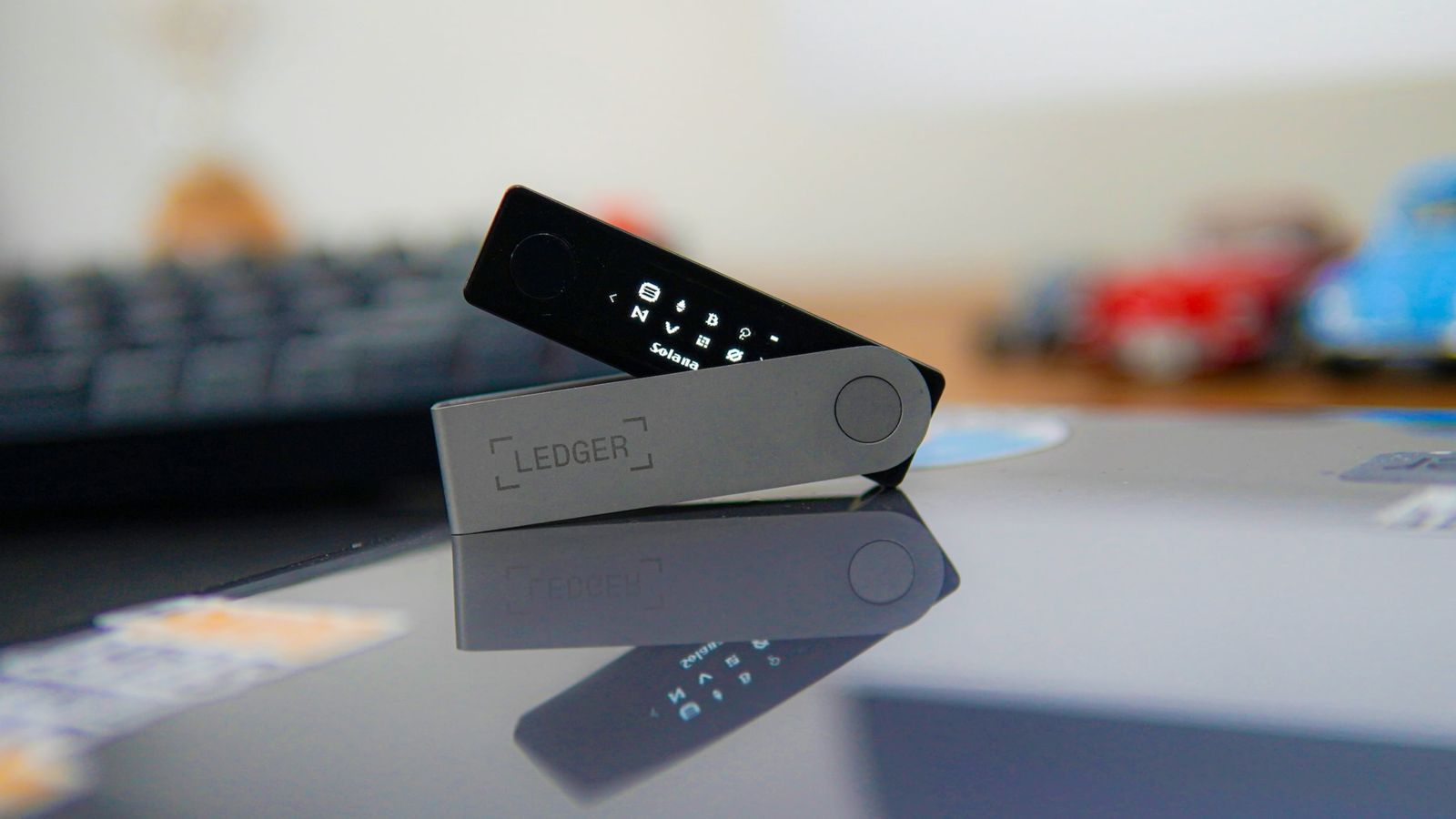
We have reached the era of the physical supply chain attack. For years, the nightmare scenario for any crypto builder was a software exploit—a malicious line of code tucked into a smart contract or a compromised private key stored in a hot wallet. But the latest update from Ledger confirms that the frontline has shifted back to the tangible world. After initial reports of compromised hardware surfaced in Southeast Asia, the investigation has now moved into Europe and the Middle East, specifically targeting users in Germany and the United Arab Emirates.
The Anatomy of a Tampered Device
The problem is not a bug in the code. It is a physical modification. Ledger has confirmed that hardware recovered in these new regions shows the same signs of tampering found in previous incidents. We are talking about devices that have been intercepted, opened, and modified with extra components designed to exfiltrate seed phrases or bypass the very security measures people buy these devices for in the first place.
From a founder’s perspective, this is the ultimate trust violation. When you sell a hardware wallet, the implicit promise is that the silicon is the fortress. If the fortress can be breached before it even arrives at the customer's front door, the entire value proposition of "cold storage" begins to crumble. This isn't a casual hacker in a basement; intercepting international shipments, modifying specialized hardware, and repackaging them to look pristine requires a level of logistics and sophistication that borders on state-level or highly organized criminal enterprise.
The Expanding Geographic Footprint
Initially, these incidents seemed isolated to specific shipping routes in Southeast Asia. The news that Germany and the UAE are now involved suggests that the attackers are casting a wider net or have successfully compromised multiple distribution hubs. For builders in the space, this should serve as a massive red flag. The UAE, in particular, has become a global hub for crypto founders and institutional capital. Targeting that region isn't an accident; it is a calculated move to go where the high-value targets live.
Germany, with its strict privacy laws and tech-savvy population, is another strategic choice. If an attacker can successfully fool a German power user, they can fool almost anyone. This tells us that the physical modifications are not obvious. They aren't sloppy solder jobs. They are refined enough to pass the "eye test" of even cautious users.
What This Means for the Self-Custody Narrative
We tell everyone to "be your own bank." We tell them to get their money off exchanges. But these incidents introduce a terrifying friction. If the very tool you use to secure your assets is the trojan horse, the "self-custody" movement takes a massive PR hit. As builders, we have to look at the user experience of physical security. Right now, it relies too much on a sticker on a box and a user’s ability to visually inspect a motherboard.
That is not a scalable security model for the next billion users. Most people aren't going to take a screwdriver to their device to check for extra chips. They shouldn't have to. The industry needs to rethink the "Proof of Origin" for hardware. Ledger is currently investigating how these devices were intercepted, but the damage to the brand's reputation for "unbreakable" security is already being felt.
The Builder’s Checklist: Supply Chain Resilience
If you are building products in the crypto space, especially those involving hardware or physical distribution, there are three takeaways from this escalating situation:
- Neutralize the Middleman: Shipping directly from the factory to the consumer, with end-to-end tracking that cannot be spoofed, is no longer a luxury. It is a requirement.
- Hardware Attestation: We need better software-based checks that can verify the integrity of the physical components. If the device's internal resistance or timing changes because a malicious chip was added, the software should refuse to boot.
- User Education over Hype: Stop telling users that hardware wallets are "100% safe." Nothing is 100% safe. Start teaching them how to verify the firmware and why buying from a third-party reseller on a discount site is a recipe for disaster.
The Skeptical Takeaway
Ledger is doing the right thing by being transparent about the investigation, but transparency doesn't fix a broken supply chain. The reality is that as long as we rely on physical atoms to protect digital bits, we are vulnerable to the physical world's oldest trick: theft by deception. This expansion into Germany and the UAE proves that the threat isn't going away; it’s scaling.
For the average founder, this is a reminder to look at your dependencies. Who builds your hardware? Who ships it? Who has access to your servers? The "zero trust" model shouldn't just be for your code; it should be for every physical object your business touches. If the most recognized name in hardware wallets can have their devices intercepted and rebuilt, don't think your startup is immune.
The most secure wallet in the world is useless if it was compromised before you even took it out of the box. Security is a process, not a product.
Expect more cases to surface as Ledger expands its audit. This is likely just the tip of the iceberg. Until we have a way to verify the physical state of a device as easily as we verify a transaction on the blockchain, hardware remains a significant point of failure for the entire ecosystem.
Read the original at The Block →