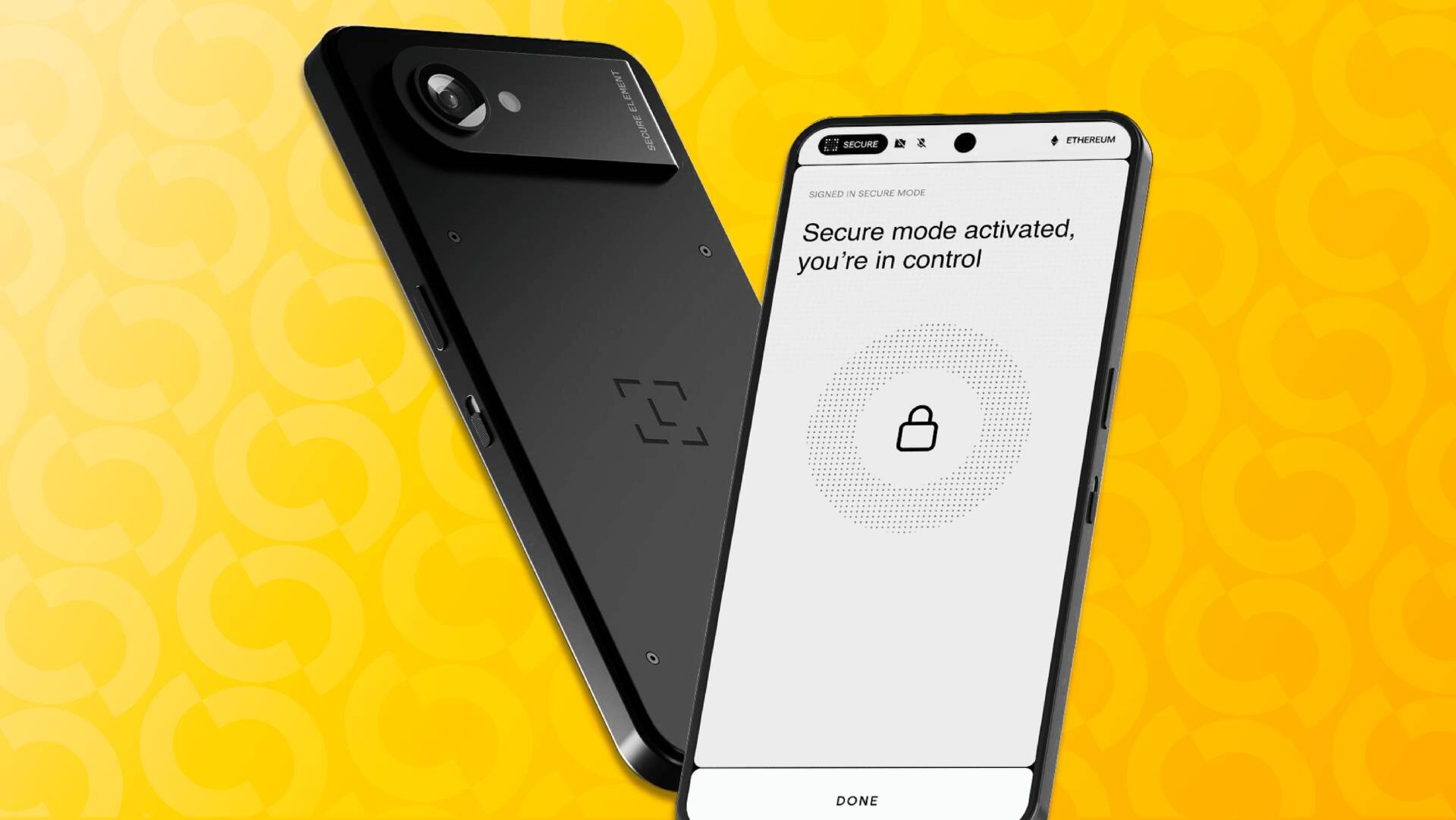
Hardware wallets have always occupied a weird middle ground in the stack. They are essentially specialized calculators that we trust with our life savings. But as the ecosystem moves toward mass adoption, the 'calculator' interface isn't cutting it anymore. Ledger's announcement of the Atom, their new Android-powered touchscreen device, is a signal that the industry is finally acknowledging that user experience is a security feature, not just a luxury.
The Android Pivot
For a long time, the security purist's argument was that less is more. Fewer lines of code, fewer features, and no complex operating systems meant a smaller attack surface. By building the Atom on a customized version of Android, Ledger is taking a calculated risk. They are betting that they can harden the OS enough to maintain their security standards while gaining the massive flexibility of a modern mobile environment.
For builders, this is a significant shift. Developing for proprietary, tiny screens with two-button navigation is a nightmare. It limits what a dApp can communicate to the user at the point of signing. A touchscreen allows for rich data visualization. When you are signing a complex smart contract interaction, seeing the full details in a legible format matters. It prevents the 'blind signing' that leads to so many drained wallets.
The Supply Chain Problem
The most interesting part of the Atom announcement isn't the screen; it is the distribution model. Ledger has stated they will only sell the Atom through their own website. This is a direct response to a persistent and growing problem in the hardware space: tampered resold devices. We have seen cases where third-party sellers on major marketplaces intercept devices, install malicious firmware or pre-generate seed phrases, and then shrink-wrap them back up to look brand new.
By cutting out the middlemen, Ledger is attempting to own the entire chain of custody from the factory to your front door. It is a logistical headache for them, but it is the only way to ensure the hardware integrity of an Android-based device that inherently has more moving parts than a basic Nano S. For founders building in the security space, this highlights a hard truth: your software is only as secure as the physical path it took to get to the user.
Anti-Tamper as a Standard
The Atom is reportedly carrying new anti-tamper protections. This is part of the ongoing arms race between hardware manufacturers and sophisticated bad actors. If you are building a protocol that handles significant TVL, you need to be thinking about the hardware your users are holding. A device like the Atom suggests we are moving toward a world where 'Secure Elements' are no longer enough. We need physical shells that are essentially self-destructing or detectable if opened.
From a founder's perspective, this raises the barrier to entry for new hardware players. You can't just slap a wallet app on a cheap handset anymore. The level of vertical integration required to compete is becoming massive. Ledger is essentially turning into a specialized smartphone manufacturer that happens to focus on private keys.
What This Means for the Mobile Stack
We have spent years talking about the 'Mobile Web3' revolution. Most of that talk centered around the Saga phone or various browser extensions. Ledger's approach with the Atom is different. They aren't trying to give you a phone that does crypto; they are giving you a crypto vault that feels like a phone. This distinction is subtle but important.
- UI/UX Parity: Users expect smartphone-level responsiveness. If a wallet feels clunky, people won't use it correctly.
- Developer Ecosystem: An Android-based environment potentially makes it easier for developers to build integrated apps that live on the device itself.
- Security Education: The larger screen real estate allows for better onboarding and warning systems that actually explain what a transaction does.
However, we should remain skeptical. Android is a massive, bloated operating system. Even a stripped-down version requires constant patching and carries a legacy of vulnerabilities. Ledger will need to be extremely transparent about how they have isolated the Secure Element from the rest of the Android stack. If the 'smart' part of the device can talk to the 'secure' part of the device too freely, we have a problem.
The Cost of Convenience
There is also the question of price and accessibility. By restricting sales to their own site, Ledger is opting for a premium, controlled experience. This is great for high-net-worth individuals and power users, but it doesn't solve the security needs of the average user in emerging markets who might rely on local retail. As builders, we have to ask ourselves if we are building for a niche group of people with $200+ hardware wallets, or if we are building for the world.
The goal isn't just to make crypto easier; it's to make it so hard to mess up that the user doesn't even have to think about the security layer.
If the Atom succeeds, it sets a new baseline. It tells the market that the 'USB stick' era of crypto is over. We are moving into the era of the dedicated secure computer. For those of us building the software that will run on these devices, it means we can finally stop designing for 128x64 pixel screens and start designing for actual humans.
The Final Word
Ledger is making a bold move here. They are fighting a two-front war: one against the poor user experience of legacy hardware and another against the physical security threats of the global supply chain. The Atom is an ambitious attempt to solve both. If they can prove that a touchscreen Android device can be as secure as a 'dumb' hardware wallet, they will dominate the next cycle. If they miss even one vulnerability in that Android implementation, the skepticism toward complex hardware will be validated for another decade.
Read the original at Decrypt →