Prediction markets have always been the stepchild of the fintech world. They are too fast for traditional finance regulators to understand and too useful for the gambling commission to ignore. This week, we saw a small but significant shift in the power dynamic. Kalshi, one of the biggest names in the space, secured a temporary legal victory in New York. A judge ruled they can keep their doors open while a lawsuit regarding their sports-related event contracts moves toward a full hearing in January.
The Fight Over Definition
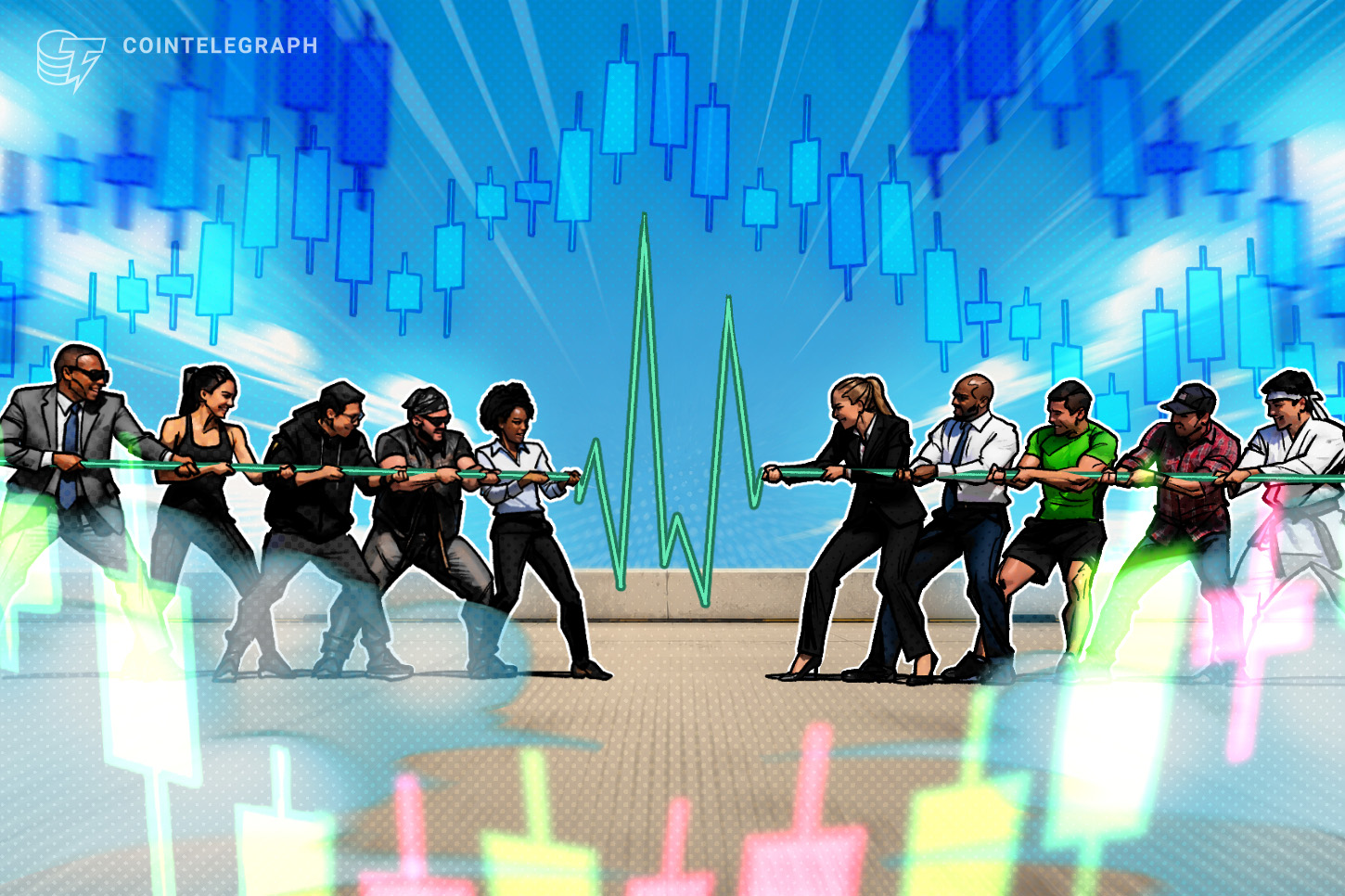
The core of the dispute is a classic regulatory tug-of-war. New York officials have been leaning on state gambling laws to suggest that Kalshi’s event contracts look a lot more like a sportsbook than a financial exchange. Kalshi, as you might expect, disagrees. They argue they are providing a venue for hedging risk and price discovery. This interim win doesn't mean Kalshi has won the war, it just means they haven't been forced into a ceasefire while the lawyers argue about the definition of 'sports betting'.
For those of us building in this space, this is a massive signal. If a platform like Kalshi can keep operating despite aggressive state pushback, it suggests the courts are starting to recognize that these markets aren't just about putting ten dollars on a parlay. They are about data. They are about sentiment. And for many users, they are a better source of truth than a cable news anchor or a government report.
Why Builders Should Care
If you are developing a decentralized prediction protocol or an AI-driven forecasting tool, the Kalshi ruling matters for three main reasons:
- Operational Continuity: This sets a precedent that the 'move fast and break things' era isn't entirely over, but it has shifted into the 'move fast and defend your position' era. Being able to stay online during a legal dispute is the difference between a project surviving or folding.
- Regulatory Arbitrage is Fading: You can't just hide in the offshore shadows anymore. Kalshi is fighting this in the light, in New York, using the existing legal framework. This is the path for any project that wants actual mass adoption.
- The Hybrid Model: We are seeing a convergence of finance and gaming. The fact that the courts are even debating where the line is between a 'trade' and a 'bet' shows that the old buckets are leaking.
We’ve been watching the rise of Polymarket and other on-chain competitors, and honestly, the centralized exchanges like Kalshi are doing the heavy lifting when it comes to the legal groundwork. They are the ones taking the hits from the state regulators so that the rest of the ecosystem can find the limits of the law.
The January Deadline
The court has set a January hearing to actually dig into the meat of the New York gambling law dispute. Between now and then, Kalshi is allowed to function. This is a crucial window. If they can prove that their sports-related contracts are being used for legitimate hedging or that they provide social utility that a standard casino doesn't, they might change the narrative for the whole industry.
The question isn't whether people want to bet on events; the question is whether the state can distinguish between a degenerate gamble and a sophisticated hedge. Right now, the state thinks they are the same thing.
I’ve always been a bit skeptical of how fast these markets can grow given the regulatory overhead. Building a product is hard enough without having to hire a fleet of lawyers just to explain your UI to a judge. But Kalshi’s persistence is proof of concept. They are banking on the idea that the utility of the market will eventually outweigh the fear of the regulator.
The Founder Perspective
As a founder, you have to look at this as a risk management exercise. Kalshi isn't just winning a court case; they are buying time. In the crypto and AI space, time is the only resource that actually matters. If they can stay operational through the next major election cycle and through the end of the year, the data they collect will be their best defense. It's hard for a regulator to shut down a market that has become a primary source of data for the public.
My advice to anyone entering this niche is to watch the January hearing closely. If the court sides with the state, it will trigger a chilling effect that will send projects running back to purely decentralized, offshore, or anonymous setups. If Kalshi wins, or even if they get another extension, it signals that the US market is finally ready to treat prediction markets as legitimate financial infrastructure.
The Bigger Picture for AI and Data
We also have to talk about the data layer. Prediction markets are the ultimate training ground for AI. If you want to build a model that understands the real world, you don't look at Twitter sentiment; you look at where the money is moving. Kalshi’s battle is ultimately a battle for the legitimacy of that data. If these markets are regulated into oblivion, we lose one of the most honest signals we have in a world increasingly filled with AI-generated noise.
I'm not saying Kalshi is the hero here, but they are the ones in the arena. They are showing us exactly where the friction points are. Whether you are building in DeFi, AI forecasting, or traditional fintech, the outcome of this dispute will dictate how you talk about 'risk' and 'returns' for the next decade.
Final Thoughts
Don't get distracted by the 'gambling' label. This isn't about sports. It's about who gets to define what a financial contract looks like in 2025. The temporary win is a oxygen for Kalshi, and for the rest of us, it's a front-row seat to the most important regulatory fight in the prediction space. Stay lean, watch the courts, and keep building better oracles. The demand for truth isn't going away, no matter what New York says.
Read the original at Cointelegraph →