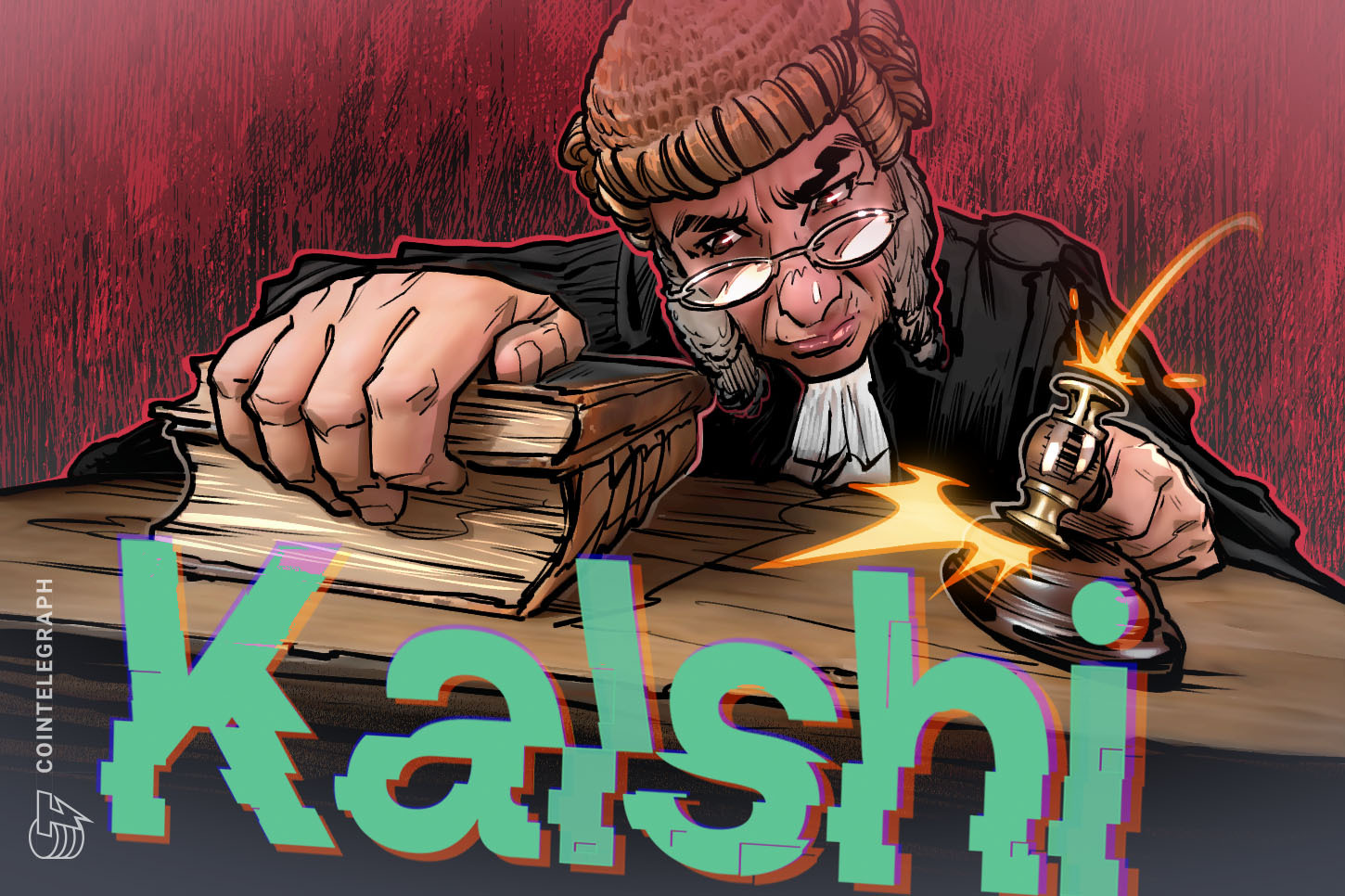
I have been watching the prediction market space for a long time. It is one of those sectors that makes perfect sense on paper but turns into a nightmare the second you involve a lawyer. Kalshi, one of the biggest players in the regulated side of this game, is currently finding out exactly how painful that nightmare can get. They are trapped in a regulatory sandwich between the federal government and state-level authorities, and frankly, I do not envy their position.
The Core Conflict
The situation boils down to a fundamental disagreement on what a prediction market actually is. To a builder, it is an information discovery tool. To a trader, it is a way to hedge risk or speculate. To a regulator, it looks a whole lot like gambling. Kalshi has spent years trying to play by the rules, obtaining federal licenses from the Commodity Futures Trading Commission (CFTC), but now those very rules are being used to put them in an impossible spot.
Recently, Kalshi voiced their frustration regarding a series of orders that practically force them to stop operations in certain jurisdictions despite having federal oversight. The state of Michigan, in particular, has become a flashpoint. While Kalshi has the federal green light to offer certain types of event contracts, state-level authorities often have different ideas about consumer protection and gaming laws. This creates a fragmented map where a company can be legal in the eyes of Washington D.C. but a rogue operator in the eyes of a state attorney general.
Why Builders Should Care
If you are building in the crypto or AI space, you might think prediction markets are a niche concern. You would be wrong. This is a case study in jurisdictional overlap. We see this in stablecoins, we see it in AI data privacy, and we are seeing it here. When the federal government and state governments do not talk to each other, the founder is the one who gets crushed in the middle.
Kalshi is arguing that these conflicting orders leave them in a position where they cannot fulfill their obligations to one regulator without breaking the rules of another. For a startup, this is a death sentence by papercuts. You cannot code your way out of a legal paradox. If your platform is designed to be borderless, like most blockchain-adjacent products are, these geographic barriers represent a total failure of the regulatory framework.
The Problem with Selective Enforcement
What makes this even more frustrating is the uneven playing field. While Kalshi is doing the hard work of getting licensed and fighting these battles in court, offshore or decentralized platforms often operate without these headaches. Of course, those platforms face their own risks, but from a purely operational standpoint, Kalshi is being penalized for being transparent.
The CFTC has a history of being skeptical of event markets, particularly those involving political outcomes. They argue that these markets could compromise the integrity of elections or create bad incentives. Kalshi, on the other hand, argues that these markets provide better data than traditional polling. I tend to agree with the builders here. Incentivized data is almost always more accurate than a phone survey of people who do not want to talk to you. However, the regulators are not looking for accuracy; they are looking for control.
The Michigan Pressure Point
The specific friction in Michigan is a warning shot for any company dealing with "contingent value" contracts. State regulators often classify anything involving a payout based on an event as a form of betting. If you are building a protocol that uses oracles to trigger payouts, you are effectively in the crosshairs of every state gaming commission in the country. Kalshi's struggle shows that even with a federal stamp of approval, you are not safe.
- Federal licenses do not always preempt state laws.
- Regulatory clarity is often a mirage that disappears when you try to scale.
- Compliance costs can outpace development costs in high-stakes sectors.
The Founder's Perspective
When I talk to founders, they tell me they just want a clear set of rules. They do not mind if the rules are strict, as long as they are consistent. The Kalshi situation is the opposite of consistency. It is a shifting landscape where every new legal filing can invalidate a year of engineering work. This is why we see so much talent fleeing to jurisdictions with more cohesive frameworks.
If we want innovation in the US, especially in fintech and predictive AI, we cannot have this level of friction. A company should not have to spend its entire Series B on legal fees just to determine if a user in Detroit can access a web application. It is a waste of time, talent, and capital.
The regulatory environment for prediction markets in the United States has reached a point of absurdity where compliance is becoming a mathematical impossibility.
The Bigger Picture
This is not just about Kalshi. It is about the future of how we price risk and gather information. If prediction markets are regulated into oblivion, we lose a vital tool for understanding the world. We revert back to experts on cable news guessing what will happen next, rather than looking at where people are actually putting their money. For those of us in the crypto world, this feels like a repeat of the early days of exchange regulation. It is messy, it is litigious, and it is holding back the technology.
For now, Kalshi is standing its ground. They are pushing back against the idea that they can be squeezed out of business by bureaucratic infighting. But the toll is high. Every day their legal team is in court is a day their product team is not shipping new features. That is the hidden cost of the current climate.
The Takeaway
The lesson here is simple but painful: Being “regulated” is not a shield; sometimes, it is a target. If you are building something that challenges traditional definitions of finance or gambling, do not assume a federal license protects you at the local level. You need to build with geographic flexibility from day one. Kalshi's "impossible position" is a reminder that in the eyes of a regulator, your innovative product is just another file on a desk, and they are perfectly happy to let it sit there while your company burns through its runway.
Read the original at Cointelegraph →