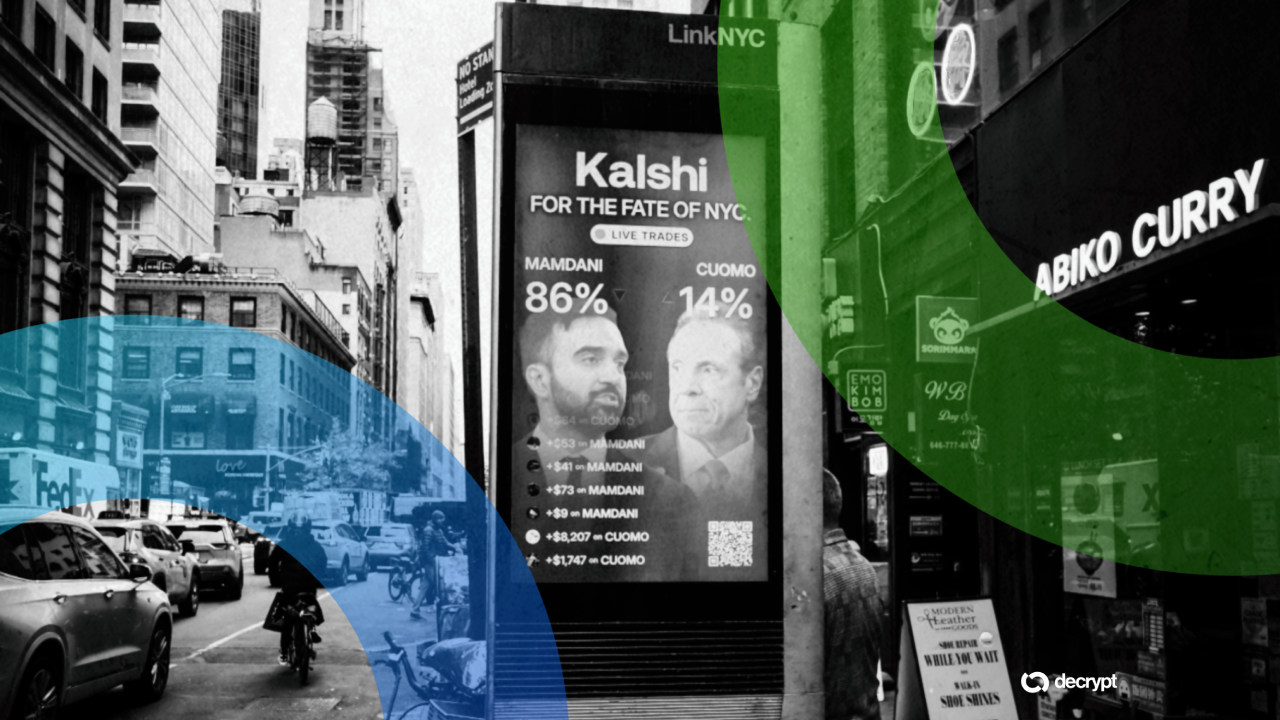
The Legal Tug-of-War Over Your Predictions
In the world of prediction markets, the house usually wins because the house is the government. But recently, the script flipped slightly. A federal judge decided to put a pin in Minnesota’s attempt to flat-out ban these platforms, at least for the moment. This isnt just a win for people who want to bet on the election; it is a critical signal for builders who are trying to turn speculation into a legitimate data tool.
For those of us building in crypto or AI, we have watched Polymarket and Kalshi fight for their lives over the last year. The core of the argument usually centers on whether these platforms are gambling dens or legitimate financial instruments. Minnesota tried to take a hard line, but the judge found a chink in the regulatory armor by focusing on the definition of a swap. This distinction matters more than you think.
Defining the Swap
The legal friction here turns on the Commodity Exchange Act. Under federal law, if a contract qualifies as a swap, the Commodity Futures Trading Commission (CFTC) has massive power over it. Minnesota’s logic was simple: these prediction markets are offering illegal swaps, therefore they should be banned. The judge, however, pointed out that not every prediction contract actually functions as a swap.
A swap usually involves an exchange of cash flows or risks between two parties based on an underlying asset. When you bet $10 that the solar eclipse will be cloudy in Minneapolis, it is hard to argue you are engaging in a sophisticated financial derivative. By ruling that these contracts are not automatically swaps, the judge gave the industry a precious commodity: a gray area. In law, a gray area is where innovation happens.
The Founder Perspective
As a founder, I look at this and see a massive lesson in regulatory arbitrage and persistence. For years, the move for crypto projects was to stay offshore. Polymarket did this, and it worked until it didn’t. Kalshi took the grueling path of seeking permission first. Now, we are seeing the two strategies converge in a weird way. Both are benefiting from a sudden judicial skepticism toward blanket bans.
If you are building a decentralized protocol or a prediction layer, you shouldn't see this as a green light to ignore the law. Instead, see it as a mandate to be very specific about what your product actually does. If your smart contract is designed to facilitate a specific outcome-based trade, the wording and the structure of that trade will determine if you get shut down by a state attorney general or protected by a federal judge.
Why Minnesota Matters
You might wonder why a single state’s ban matters when these platforms operate globally or nationally. It matters because it sets a precedent for state-level overreach. If Minnesota had succeeded in its immediate ban without a trial on the merits, every other state with a moral objection to betting would have used that blueprint to block IP addresses.
This stay means the platforms can keep operating while the actual legal arguments are hashed out. It prevents a cascading effect where a dozen states go dark in a single week. For liquidity providers and developers, this provides a temporary floor of stability. You can’t build a marketplace if you think 15% of your user base will be cut off by an injunction on a Tuesday afternoon.
The Skeptical Take
Do not get it twisted: this is a stay, not a permanent victory. The judge didn't say prediction markets are inherently legal or good for society. The ruling essentially said the state jumped the gun. There is still a very real possibility that after a full trial, the court finds that certain contracts do fall under the swap label or violate other state consumer protection laws.
We also have to be honest about what these markets are right now. They are largely election-driven. While founders talk about the wisdom of the crowds and the informational value of these markets, the reality is that they thrive on high-stakes political drama. Once the election cycle ends, the volume will drop, and the regulators will still be there. Building a sustainable business model in this space requires finding a use case that survives the post-election hangover.
What This Means for Developers
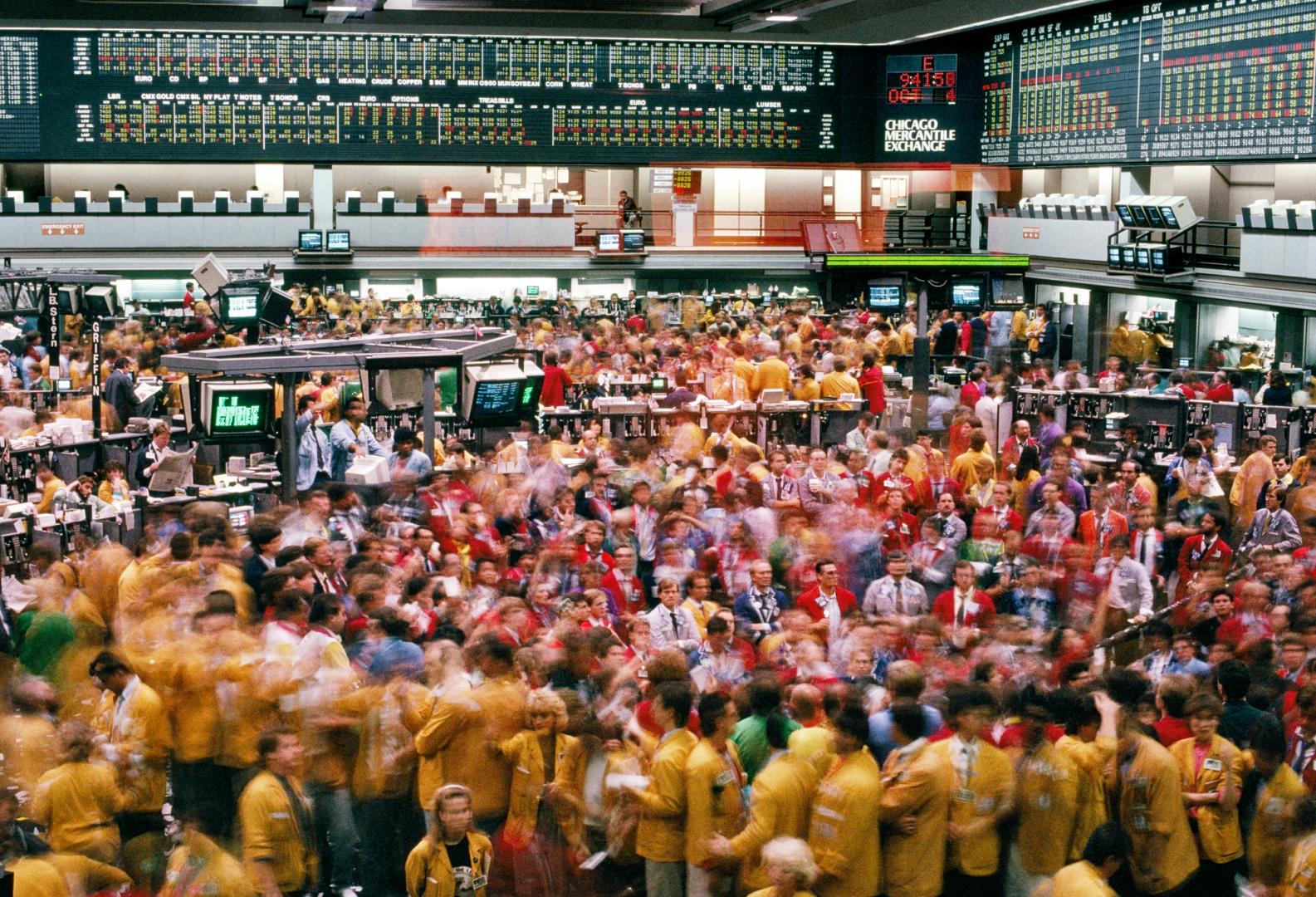
If you are in the trenches building, here is the takeaway: granularity is your friend. The judge’s focus on whether each individual contract counts as a swap is a hint. If you are building a platform, you shouldn't have a one-size-fits-all legal framework for your markets. A market on the price of Wheat is different from a market on the Grammys, which is different from a market on a local election.
- Compliance through architecture: Structure your contracts so they don't mimic traditional derivatives if you don't want to be regulated like one.
- User segmentation: Be prepared to toggle specific markets based on regional legal shifts without nuking your entire platform.
- Transparency: The more these markets look like transparent data tools and less like opaque betting slips, the easier they are to defend in court.
The fight in Minnesota is a microcosm of the broader struggle between centralized control and decentralized speculation. For now, the speculators have the upper hand because the legal definitions used to stop them are too broad and outdated. But regulators learn fast. Keep your head down, keep building, and don't assume a temporary stay is a permanent license to operate.
Read the original at Decrypt →